A strengthening El Niño event, combined with fertilizer shortages, geopolitical tensions, and elevated energy costs, could push global food and feed commodity prices up by 14–16%, according to procurement consultancy Beroe. Key feed ingredients including corn, vegetable oils, and sugar face varying levels of supply and price risk, with the full market impact potentially not materialising until 2028.
CBOT soybean futures eased modestly on 23 September 2026, with soybean oil leading declines and meal outperforming, as traders consolidated recent gains ahead of a key U.S.–China diplomatic summit. Ukrainian FOB prices slipped while basis held firm on below-average yields and Black Sea risk. China's August soybean imports remained historically large but showed a 12% year-on-year drop from the U.S., highlighting continued origin diversification. Early South American planting began under a wetter pattern, introducing mild bearish signals for new-crop supply.
Corn, soybean, and wheat futures all closed lower on 23 September 2026, pressured by weak ethanol output, lower EU and UK crop forecasts from Coceral, ongoing Black Sea military strikes, and shifting South American production outlooks, according to an ADM Investor Services market commentary.
Grain and oilseed futures closed mostly lower on 22 September 2026, according to ADM Investor Services analyst Mark Soderberg. Corn drifted back toward session lows while managed money extended a long position that ADMIS described as a potential record high. Soybeans finished mixed, soybean meal protein value reached a seven-month high, and wheat futures fell sharply amid ongoing Black Sea conflict and softening global supply signals.
Corn futures pulled back toward technical support on September 23, 2026, erasing Monday's gains, while a USDA daily export sale to Mexico, a high-stakes Xi-Trump summit in Washington, a proposed U.S. diesel export ban, and a projected 70% surge in global biofuel output by 2030 combined to create a complex backdrop for feed-grain and oilseed markets.
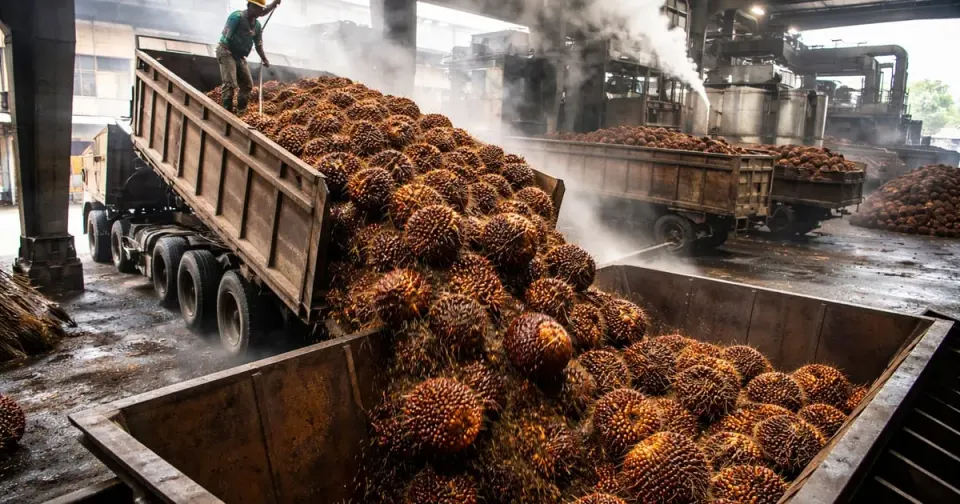
Malaysian palm oil futures fell for a fourth consecutive session on 23 September 2026, with the December Bursa Malaysia contract dropping to MYR 4,768/tonne, as rising inventories, sluggish exports and soft rival markets reinforced a bearish near-term outlook.
A stronger US dollar, rising exchange stocks, and weather-driven supply concerns across key producing regions pushed soft commodity futures lower on 23 September 2026, according to ADM Investor Services (ADMIS). Cotton, coffee, and cocoa all faced headwinds, while sugar held gains amid broad output concerns linked to El Niño and ethanol demand in Brazil.
Philippine corn production is projected to fall 14.4% to 2.08 million tonnes following typhoon damage, with El Niño conditions forecast to intensify into late 2026. The supply squeeze is accelerating feed-industry interest in drought-tolerant millet as a partial corn substitute, while European and Black Sea export prices remain broadly stable.
A series of typhoons in the Philippines has reduced July–September 2026 corn production by an estimated 14.4%, tightening regional feed grain availability and pushing up input cost risk for Southeast Asian feed manufacturers. CBOT December 2026 corn futures are trading around 529 USc/bu, while buyers consider alternative grains including millet.
Italy's soft wheat flour exports rose nearly 15% year on year in the first half of 2026, with the United States becoming the largest buyer after a 38% surge in imports, even as Black Sea wheat prices remain subdued and global grain benchmarks stay under pressure.
Tunisia's state grains agency has purchased around 125,000 tonnes of soft wheat at $311.72–314.23/tonne C&F for October–December shipment, setting a clear pricing floor for Mediterranean destinations and limiting near-term downside for Black Sea and EU export origins.
Ukraine's sunflower harvest is forecast to recover to around 14 million tonnes in 2026, roughly 20% above last year, on improved yields in eastern and southern regions. While the larger crop stabilises raw-material availability for crushers, the effect on hulled kernel supply and prices is expected to be more limited, with bakery kernels holding sideways near 0.90–0.93 EUR/kg FCA.