
El Niño Threatens Feed Commodity Prices as Beroe Warns of Up to 16% Rise Through 2028
A strengthening El Niño event, combined with fertilizer shortages, geopolitical tensions, and elevated energy costs, could push global food and feed commodity prices up by 14–16%, according to procurement consultancy Beroe. Key feed ingredients including corn, vegetable oils, and sugar face varying levels of supply and price risk, with the full market impact potentially not materialising until 2028.

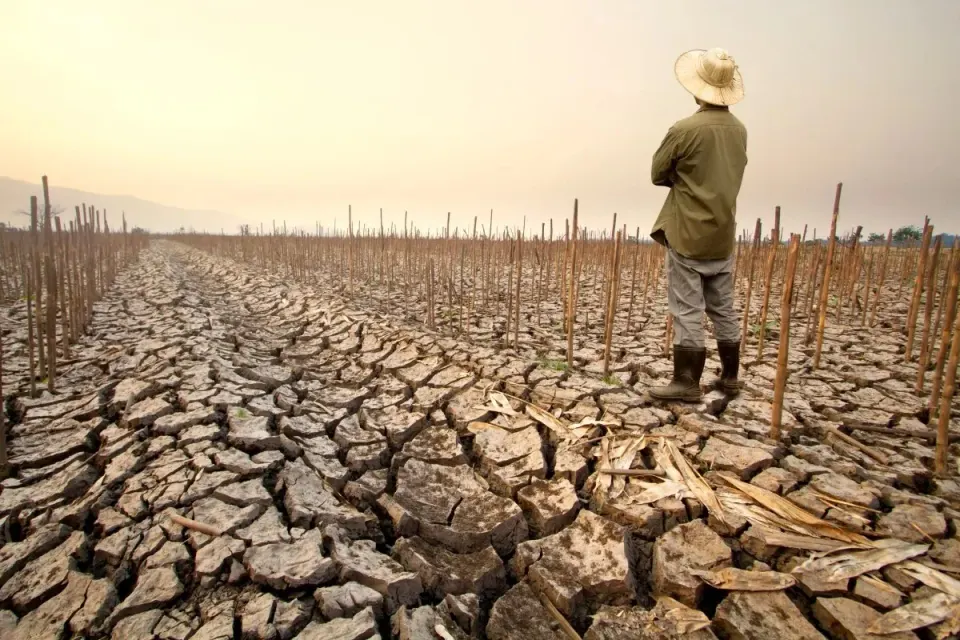
A strengthening El Niño is raising the risk of significant commodity price volatility across global feed ingredient markets, with procurement consultancy Beroe warning that prices could rise by as much as 14–16% before the full effects of the climate event are absorbed.
According to the National Oceanic and Atmospheric Administration (NOAA), there is a greater than 93% probability of a "very strong" El Niño event developing, with a 75% chance that the October–December 2026 season will be an "historic" El Niño event exceeding strengths recorded since 1950.
Beroe estimates that a prolonged El Niño, combined with fertilizer shortages, geopolitical tensions, and elevated energy costs, could contribute to a 14–16% increase in global food commodity prices, with the consultancy noting that commodity markets often experience their strongest price response around 12 months after a climate event peaks, meaning the full impact may not be realized until 2028.
Logistics Disruption Compounds Agricultural Risk
The risks extend beyond field-level production. Drought conditions are already affecting global trade infrastructure, with Panama Canal vessel transits reduced from 36 to 32 per day, adding a further source of potential disruption for companies sourcing and moving feed ingredients internationally.
Cocoa Identified as Highest Short-Term Risk
Among weather-sensitive commodities, cocoa has been identified by Beroe as presenting the most immediate procurement concern, though it is less directly relevant to compound feed formulations than grains and oilseeds. Karthick SS, senior domain analyst Agro at Beroe, said prices are forecast to increase by nearly 9% in the short term. "Heavy rainfall, disease pressure, and weaker early crop development have increased production concerns, while a potential El Niño event could further stress crop conditions during a critical growth phase," he said. He added that "stronger port arrivals and improving exchange inventories are preventing a sharper rally" but that buyers should expect "elevated volatility and intermittent supply tightness."
Earlier this year, Rabobank warned that a strengthening El Niño could disrupt supplies and raise prices for key food commodities such as cocoa, palm oil, Robusta coffee, sugar, grains, and seafood through 2026–2027, with seafood already experiencing supply shocks.
Sugar: Regional Divergence
Sugar presents the second-highest risk category in Beroe's assessment, although the outlook varies by origin. According to Karthick SS, Indian sugar prices are projected to increase by around 4% over the near term, driven by tightening pipeline stocks, uncertain monsoon progress, and ethanol diversion. He noted that Europe currently benefits from relatively comfortable inventories, but that "persistent dry weather and reduced beet acreage could tighten availability as the season advances." Brazil, meanwhile, continues to provide a stable supply base during its peak crushing season, though shifts between sugar and ethanol production will remain a key determinant of global export availability.
Vegetable Oils: Biofuel Policy Amplifies Weather Risk
For vegetable oils, Karthick SS noted that European rapeseed oil prices are expected to rise by around 2%, supported by structural supply deficits, weather-related production risks, and resilient biodiesel demand. US soybean oil is forecast to increase by approximately 5%, "driven primarily by renewable diesel demand despite comfortable soybean supplies," reflecting the growing influence of biofuel policy on oilseed markets beyond purely agricultural fundamentals.
Corn Outlook More Balanced
Corn, a critical feed grain, presents a more balanced picture globally. Karthick SS said European corn prices are expected to increase by around 4.2% due to lower production expectations and weather-related yield concerns, while "favorable crop prospects in the US and seasonal harvest pressure in Brazil are expected to keep global availability comfortable, resulting in projected price declines of approximately 2.5% and 0.8%, respectively." He concluded that "regional disruptions are unlikely to translate into widespread global supply shortages during the near term."
Palm Oil Faces Tightening Through 2027
Palm oil, widely used in animal feed and aquafeed formulations, faces increasing price pressure looking into 2027. Karthick SS said palm oil prices are expected to firm through Q4 2026 and into 2027 as "El Niño risks, delayed drought effects, weaker Malaysian and Thai output, aging plantations, and rising biodiesel mandates constrain food-sector availability." Balambika Muthusamy, senior domain analyst Agro at Beroe, noted that Indonesia's stronger near-term production may offer some relief, but cautioned that a late-year El Niño could reduce yields in 2027 because palm output responds to drought with a lag. Muthusamy advised buyers to "gradually secure H1 2027 coverage, split forward contracts across several months, and monitor biodiesel policy alongside weather," and suggested partial substitution into sunflower or rapeseed oil where formulations permit.
For feed manufacturers and procurement teams, Beroe identifies the key variables to monitor as weather forecasts, crop conditions, inventories, port arrivals, energy costs, fertilizer availability, biofuel policy, and logistics capacity. With the strongest commodity-market response expected around 12 months after the climate event peaks, the commercial consequences could extend well into 2028.
Prepared with AI assistance and reviewed by the editorial team.