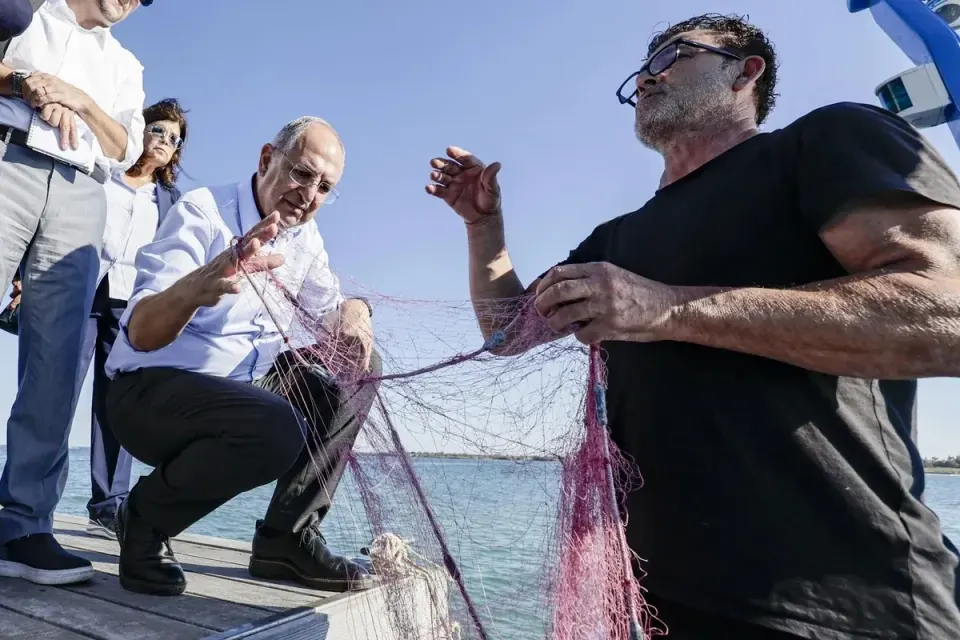
The European Commission presented its Vision 2040 for fisheries and aquaculture on October 20, setting out plans for new aquaculture legislation, digital traceability, and cleaner production investment. Industry bodies broadly welcomed the direction but split over key priorities: aquaculture producers want binding growth targets and faster licensing, fishing groups demand reform of the Common Fisheries Policy, while environmental organizations and small-scale fishers argue for stronger enforcement of existing rules.
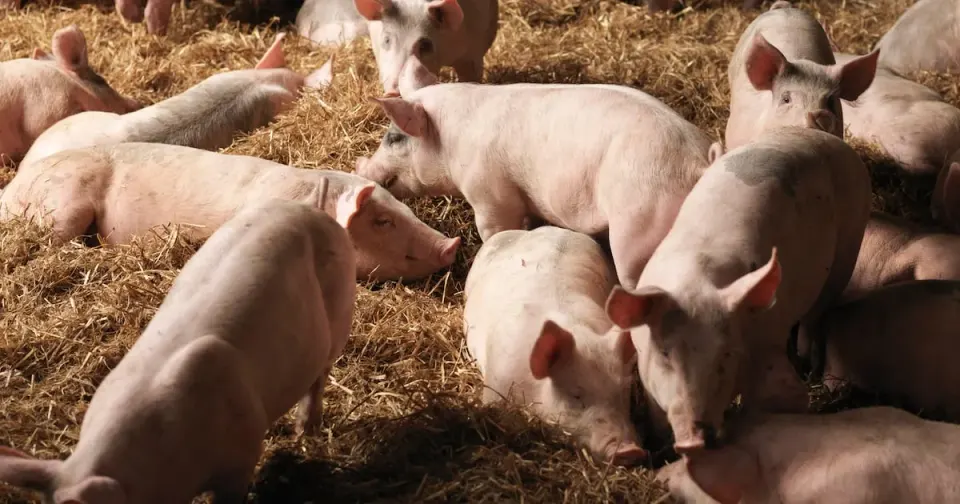
A review by Chinese researchers finds Lactobacillus acidophilus is one of the most promising alternatives to antibiotic growth promoters in livestock, with the clearest benefits seen in weaned piglets. However, the authors warn that translating laboratory findings into consistent commercial farm results remains a significant challenge, and call for more large-scale on-farm trials.
Drone attacks on merchant ships in the Black Sea this week, including strikes that sank at least one vessel off Bulgaria and Romania, have disrupted key grain export corridors and pushed Euronext front-month corn above €300/t for the first time, with wheat futures also firming. The incidents compound an already tight European grain balance marked by sharply reduced French corn output and historically low projected ending stocks for 2026/27.
China's official manufacturing PMI rose to 50.1 in September 2026, ending two consecutive months of contraction, while a private survey showed a five-month high of 52.1. Copper prices edged higher on the news, though supply concerns at major Chilean mines added further support to the metal.
ADM Investor Services analyst Mark Bowman warns that a forecast Super El Niño, expected to peak in November and persist into February, could further tighten conditions for cocoa, coffee, cotton and sugar markets, compounding existing weather-related supply pressures across West Africa, Brazil and the United States.
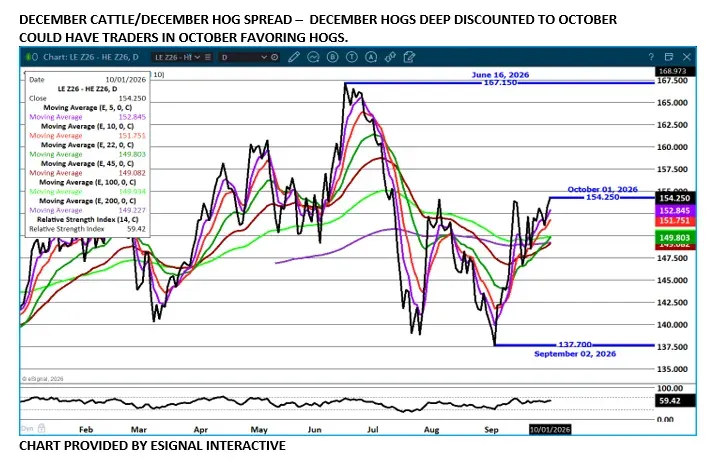
ADM Investor Services analyst Chris Lehner reported softer cash cattle prices in the week to 2 October 2026, citing rising grocery costs, high fuel prices, and widespread consumer financial stress as headwinds for beef demand. Lean hog futures hit new contract lows on the same day, with cheap chicken seen as competing against pork.
US soymeal, corn, soybeans and winter wheat all fell during the week ending October 3, 2026, as harvest pressure, larger corn inventories and improved soymeal availability outweighed supply concerns, according to CommodityScope's weekly physical markets report.
A peer-reviewed study in the journal Animals finds that soybean variety, growing location, crop year, and relative maturity can materially shift crude protein and amino acid profiles in southern Illinois soybeans, altering modeled soybean meal quality and livestock diet formulation outcomes for both ruminants and non-ruminants.
ZentraVet, a brand of Aaharsetu Agri Solutions Private Limited, has grown its distribution network to more than 250 distributors across India, with Bihar emerging as a key market supported by more than 50 distributors, as the company works to improve farmer access to feed supplements and livestock nutrition products.
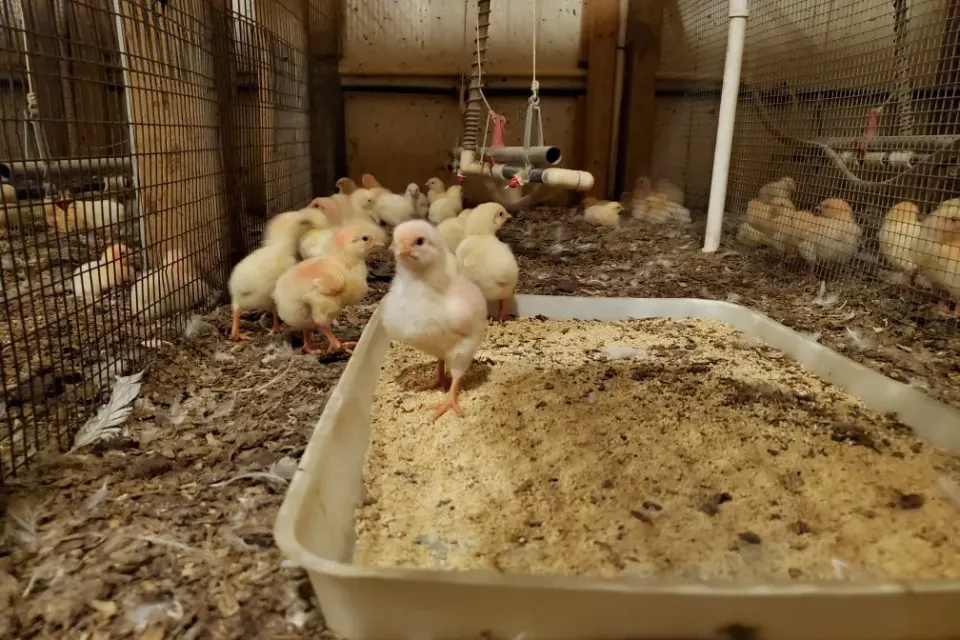
A Penn State University study published in Poultry Science found that a broiler chicken's age has a far stronger influence on its resistome than dietary additives such as antibiotics, probiotics, or essential oils, lending support to further investigation of antibiotic alternatives in poultry production.
Lallemand Animal Nutrition has launched SMART GROWS, an integrated young-ruminant programme combining milk replacers, nutritional supplements, microbial solutions, bedding and farm-management support to improve calf health and resilience from birth through weaning.
French biotech firm Abolis Biotechnologies has launched the Microbial INtelligence Explorer (MINE) platform, which combines genomic and multi-omics data with experimental and industrial insight to help food and nutrition ingredient developers accelerate fermentation-based R&D and reduce trial-and-error in strain selection and scale-up.
Dutch processing equipment specialist Dinnissen has introduced a Vertical Start-up methodology that pre-builds, tests, and validates complete production lines at its D-Innocenter facility before delivery, aiming to shorten on-site installation time and reduce commissioning risks for feed and food producers.
The U.S. Grains & BioProducts Council hosted three half-day seminars across Türkiye to address poultry and ruminant feed producer concerns over mycotoxins, antibiotic residues, and DDGS handling and storage, drawing 55 participants from 26 companies.
The Swine Health Information Center (SHIC), a key U.S. emerging-disease surveillance body for the pork sector, will be integrated into the National Pork Board by year-end 2026 after both producer-led boards approved the move. SHIC's disease monitoring, research, and rapid-response functions are expected to continue without interruption, though the transition raises questions about scientific independence and the speed of response operations inside a larger institution.
The European Commission's final audit report has found that Brazil's official poultry and honey supply chain controls meet EU standards on antimicrobial use, according to the Brazilian Association of Animal Protein (ABPA). However, the reinstatement of Brazil on the EU's approved suppliers list remains pending further European regulatory steps, including a yet-to-be-scheduled meeting of the Standing Committee on Plants, Animals, Food and Feed.
The Council of the European Union has adopted its negotiating position calling for maximum residue levels of certain hazardous pesticides in imported food and feed to be lowered to the limit of quantification — known as technical zero — pending an impact assessment. The mandate, part of the Omnibus X food and feed safety package, expands coverage to substances posing risks to honeybees or groundwater, but the rules are not yet in force and require the European Parliament to adopt its own position before negotiations can begin.
The UK's 2026-27 bluetongue season has recorded 2,201 cases, exceeding the combined total of the previous three seasons, with the disease spreading into Scotland for the first time. Vaccine supply pressures and climate-linked midge activity are compounding challenges for livestock farmers.
Uzbekistan's Senate has approved a new Food Safety Law introducing risk-based state control, clearer responsibilities for food businesses, and expanded powers for the Food Safety Committee. The legislation, passed at the Senate's 20th plenary session, is designed to align the country's food safety framework with international practices and WTO requirements.
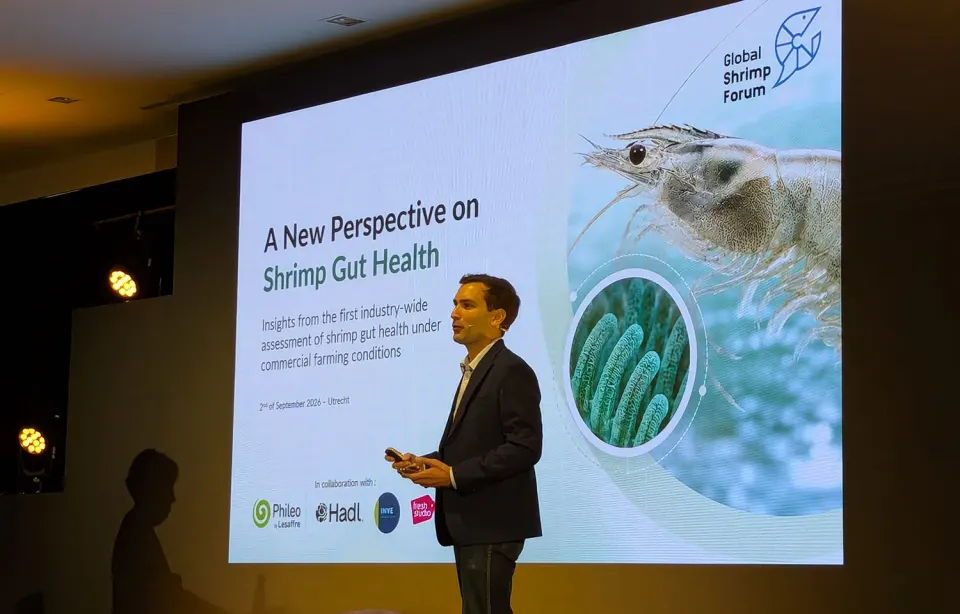
Research presented at the Global Shrimp Forum in Utrecht found that 60 percent of surveyed shrimp farms — described as modern and well-managed — had compromised or critical gut health issues, with Phileo by Lesaffre warning the problem is systemic and developing an AI-powered diagnostic tool to help farmers address it.
Faroese salmon farmer Bakkafrost has become the world's first Atlantic salmon producer to certify farms against the Aquaculture Stewardship Council's new Farm Standard, with three Faroese sites already certified and the remainder in the Faroe Islands and Scotland to follow ahead of the May 2028 transition deadline.
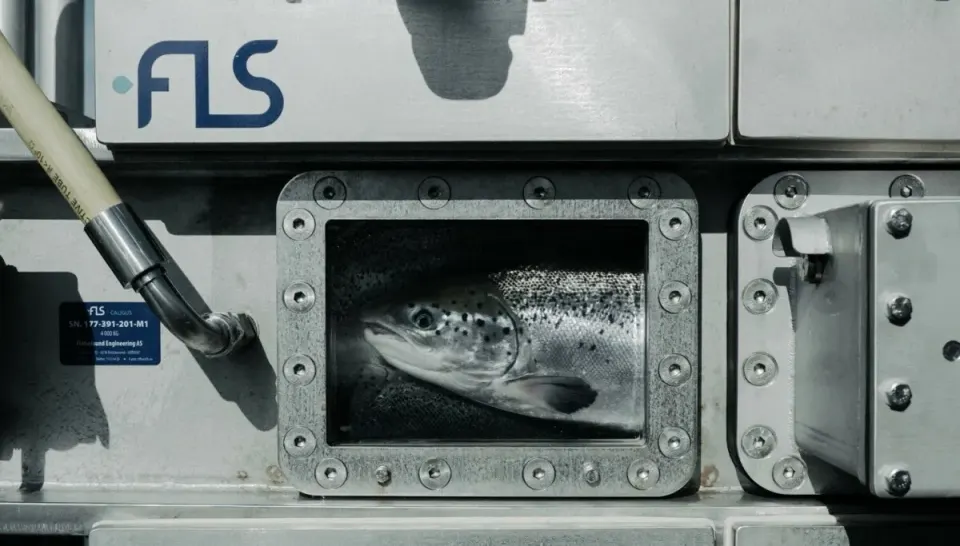
European asset manager Ambienta has acquired Norway-based BioMarine, FLS, and Smir, plus Faroese firm GroAqua, through its Ambienta IV fund, describing the four deals as the first step toward building an integrated sustainable aquaculture technology platform.
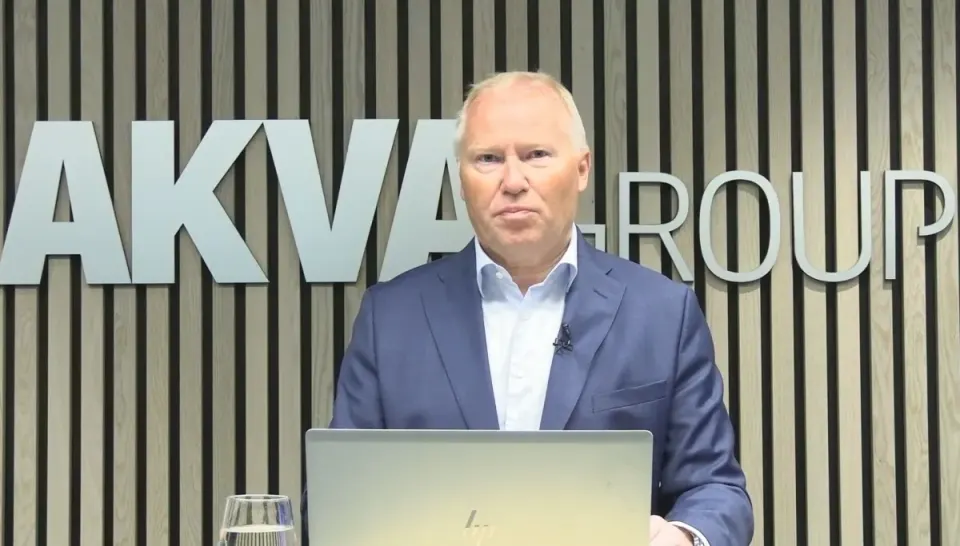
Norwegian aquaculture technology supplier AKVA group has agreed to be acquired by Japanese industrial conglomerate Yanmar in a deal valued at NOK 5.9 billion (£463.2 million), with major shareholders representing approximately 92% of AKVA's shares already committed to the transaction.