Jordan feed factory inaugurates 2MW solar project combining electricity and steam generation
A 2-megawatt solar energy project has been inaugurated at the Khairat Al-Shamal – Dajaj Al-Khair feed factory in Mafraq, Jordan, combining photovoltaic electricity generation with a PV-to-Heat system capable of producing up to 1.35 tonnes of industrial steam per hour, with the aim of reducing operating energy costs.

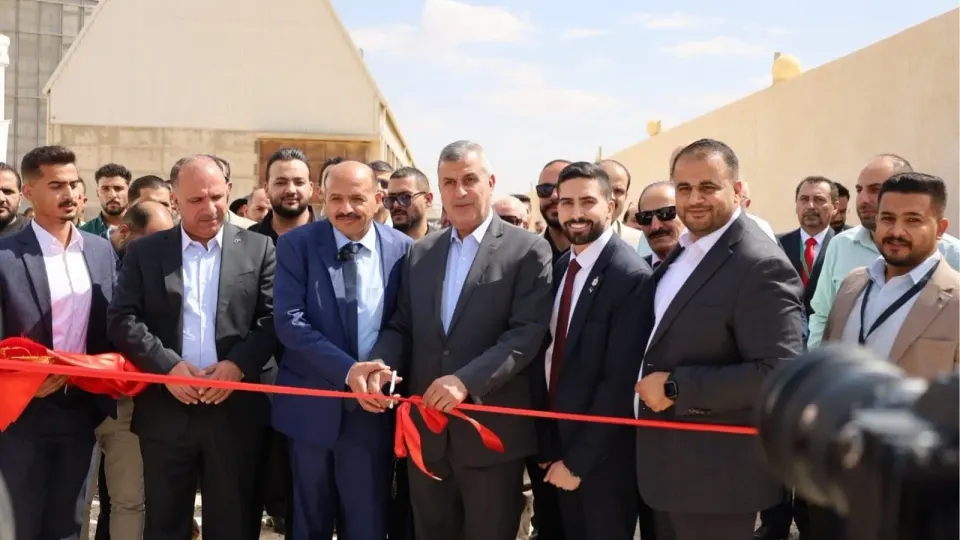
A 2-megawatt solar energy project has been inaugurated at the Khairat Al-Shamal – Dajaj Al-Khair feed factory in Mafraq, Jordan, combining photovoltaic power generation with renewable-energy-based industrial steam production, according to Feed Business Middle East & Africa.
Jordan's Minister of Energy and Mineral Resources, Saleh Kharabsheh, inaugurated the project, which comprises a 1MW photovoltaic plant for electricity generation and a separate 1MW PV-to-Heat system. The PV-to-Heat system converts solar-generated electricity into industrial steam, with a reported capacity of up to 1.35 tonnes per hour.
Kharabsheh said the project "demonstrates integration between Jordan's industrial, agricultural and production sectors," while also "highlighting the potential for renewable energy to improve energy efficiency and reduce operating costs," according to the publication. He added that the government would continue supporting "renewable energy and storage technologies to improve the competitiveness of economic sectors and reduce energy costs."
The minister noted that renewable energy currently accounts for about 27% of Jordan's electricity mix, up from less than 1% around 12 years ago. The investment aligns with Jordan's National Energy Sector Strategy, which aims to increase renewable energy's share of the country's electricity generation mix to about 40% by 2035.
The source noted that energy security remains a key challenge for Jordan, with the government seeking to reduce exposure to fluctuations in global energy markets by increasing reliance on domestic energy sources, including renewable energy and local natural gas.
For the feed manufacturing industry, the project illustrates the application of solar energy beyond conventional power generation, extending to process heat requirements within feed factory operations.
Prepared with AI assistance by Endata and reviewed by the editorial team.