A 2-megawatt solar energy project has been inaugurated at the Khairat Al-Shamal – Dajaj Al-Khair feed factory in Mafraq, Jordan, combining photovoltaic electricity generation with a PV-to-Heat system capable of producing up to 1.35 tonnes of industrial steam per hour, with the aim of reducing operating energy costs.
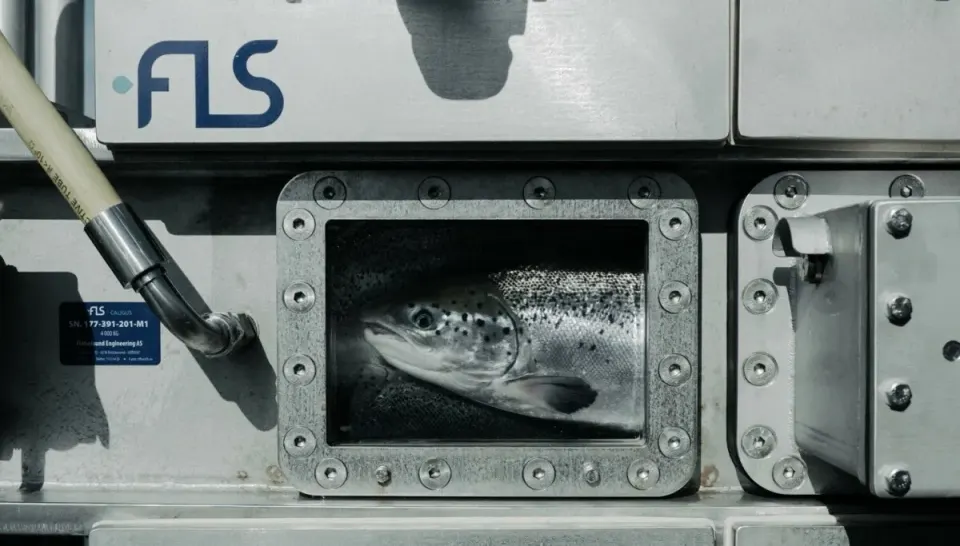
European asset manager Ambienta has acquired Norway-based BioMarine, FLS, and Smir, plus Faroese firm GroAqua, through its Ambienta IV fund, describing the four deals as the first step toward building an integrated sustainable aquaculture technology platform.
A new industry commentary published on 28 September 2026 calls on researchers and producers to move beyond conventional life cycle assessment when evaluating insect-derived feed ingredients, arguing that scale effects, resource competition and functional animal nutrition benefits are routinely overlooked. Representatives from Innovafeed and Protix cite industrial-scale emissions data to support the case for updated assessment frameworks.
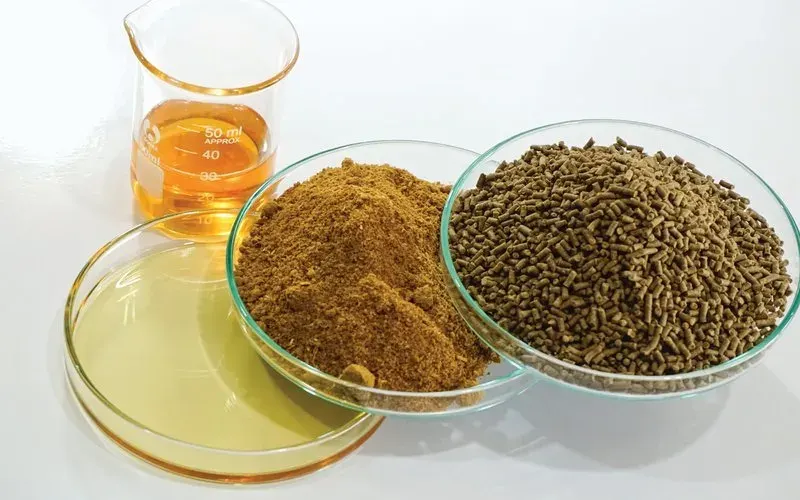
A peer-reviewed study by researchers from the University of Porto, CIIMAR, and the University of Florence, in collaboration with EPAX®, found that fatty acid ethyl ester (FAEE) oil — a byproduct of omega-3 supplement production — can completely replace fish oil in juvenile European seabass diets without impairing growth, feed utilization, or nutrient digestibility. However, the substitution significantly reduced muscle DHA levels, pointing to a potential nutritional quality trade-off that may require mitigation.
Philippine corn production is projected to fall 14.4% to 2.08 million tonnes following typhoon damage, with El Niño conditions forecast to intensify into late 2026. The supply squeeze is accelerating feed-industry interest in drought-tolerant millet as a partial corn substitute, while European and Black Sea export prices remain broadly stable.
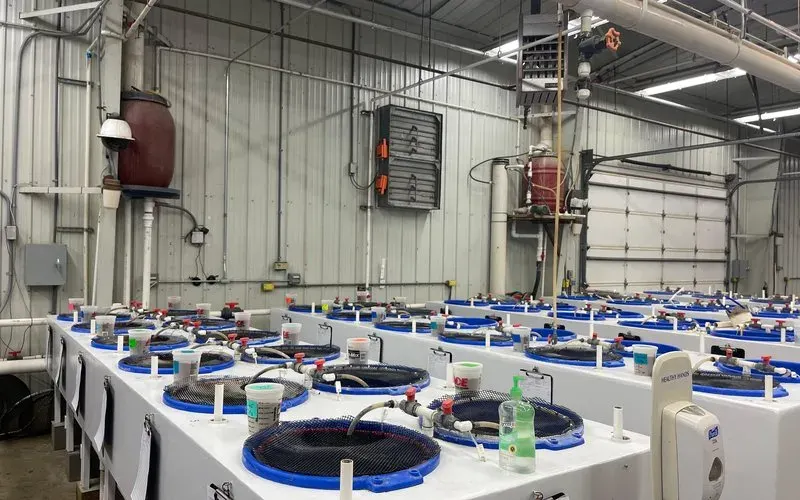
A multi-institution US study published in Aquaculture finds that adding 5% dried fish solubles to high-soybean meal diets significantly improved growth and selected fillet-quality traits in rainbow trout, with the effect driven primarily by increased voluntary feed intake rather than improved feed conversion.
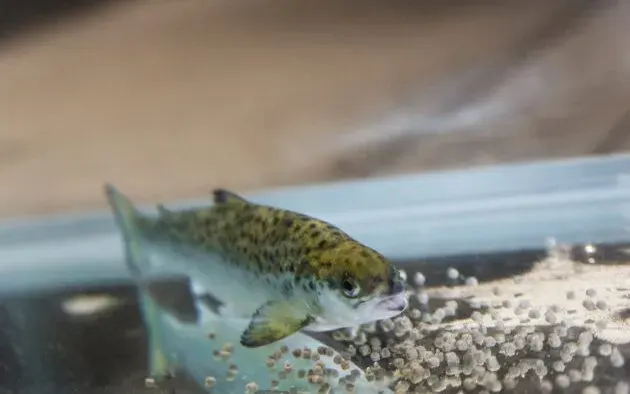
A study by Nofima, NMBU and Mowi Genetics finds that selectively breeding Atlantic salmon for lower body fat could significantly improve feed efficiency, with calculations suggesting potential annual savings of around USD 121 million for the Norwegian salmon industry.