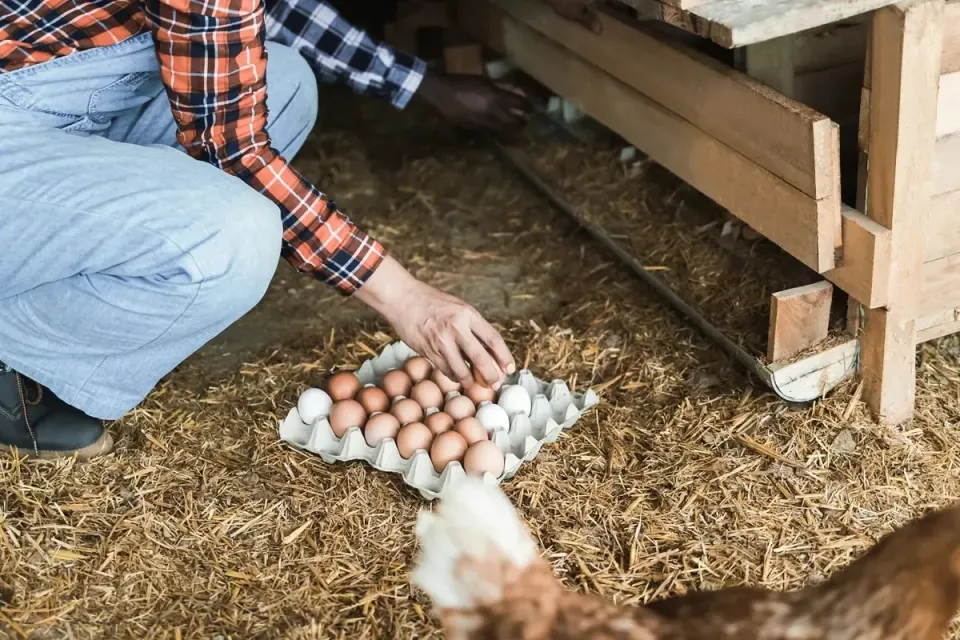
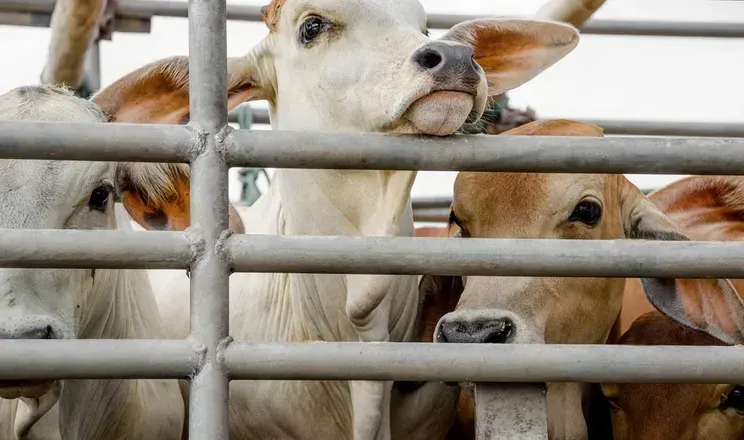
The European Food Safety Authority (EFSA) and the European Commission have renewed their joint #NoBirdFlu campaign ahead of the autumn migration season, urging farm-level biosecurity improvements to reduce avian influenza risks. Nearly 8,000 outbreaks were detected in Europe between October 2025 and June 2026, with supply chain disruption a growing concern for feed and food manufacturers relying on egg-derived ingredients.
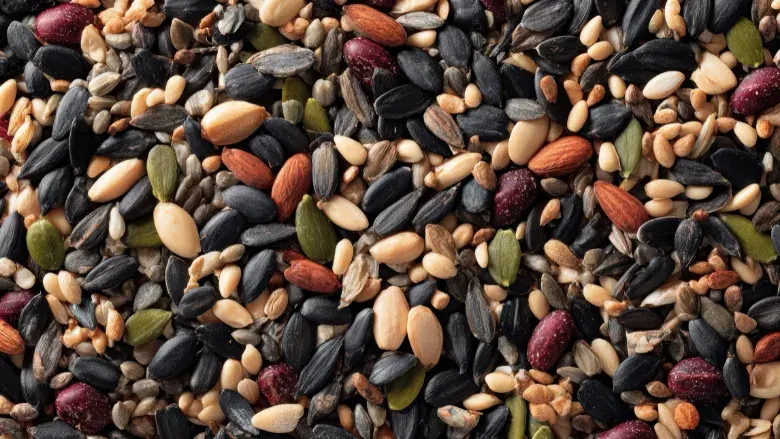
A peer-reviewed analysis of 2,479 RASFF mycotoxin notifications from 2020 to 2024 by University of Córdoba researchers finds that aflatoxins drove 84% of recorded cases, with nuts, seeds, and products of non-EU origin accounting for the largest shares. The study cautions against reading notification counts as direct measures of contamination prevalence, but highlights persistent risk in a narrow set of commodity groups relevant to feed and food ingredient buyers.
A new study published in Emerging Infectious Diseases has identified previously unrecognised cross-border circulation of a multidrug-resistant Campylobacter coli sequence type across nine European countries between 2018 and 2025, challenging the long-held view that such infections are sporadic and unrelated. Poultry was identified as the primary animal source, and researchers are calling for coordinated genomic surveillance.
Star Meat Delivery Inc. of Lucama, NC, is recalling 167,639 pounds of raw pork, beef, and goat products that were produced without federal inspection and labelled with a counterfeit USDA mark of inspection, according to the USDA's Food Safety and Inspection Service (FSIS). The products were distributed through a Georgia distributor to retail and restaurant locations nationwide.
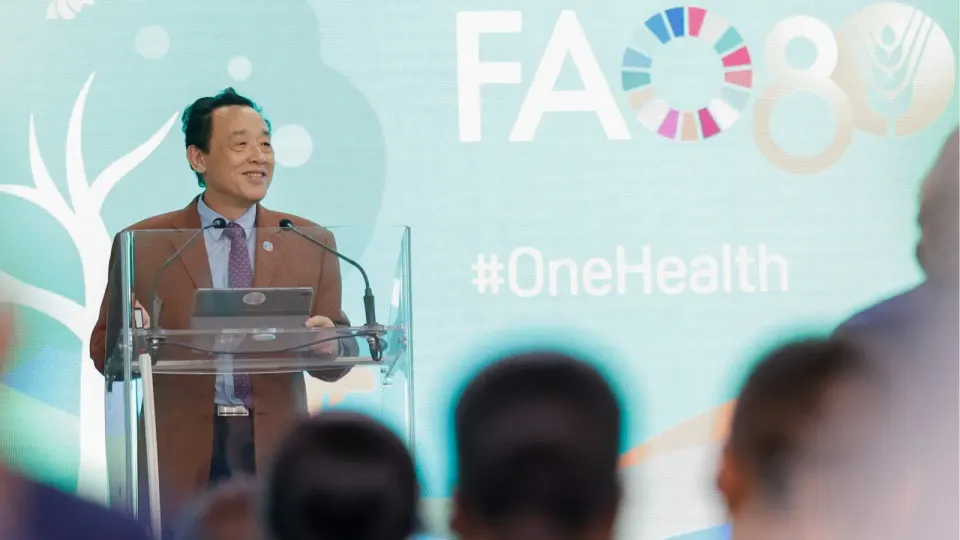
The Food and Agriculture Organization of the United Nations convened a global conference in Rome on 22 September 2026 to translate One Health principles into practical action across agrifood systems, unveiling a new livestock data and intelligence platform to support early warning and evidence-based decision-making.
The European Commission has formally authorised citronella essential oil, derived from Cymbopogon nardus (L.) Rendle, as a feed additive for all animal species under Implementing Regulation (EU) 2026/2128, signed on 18 September 2026.
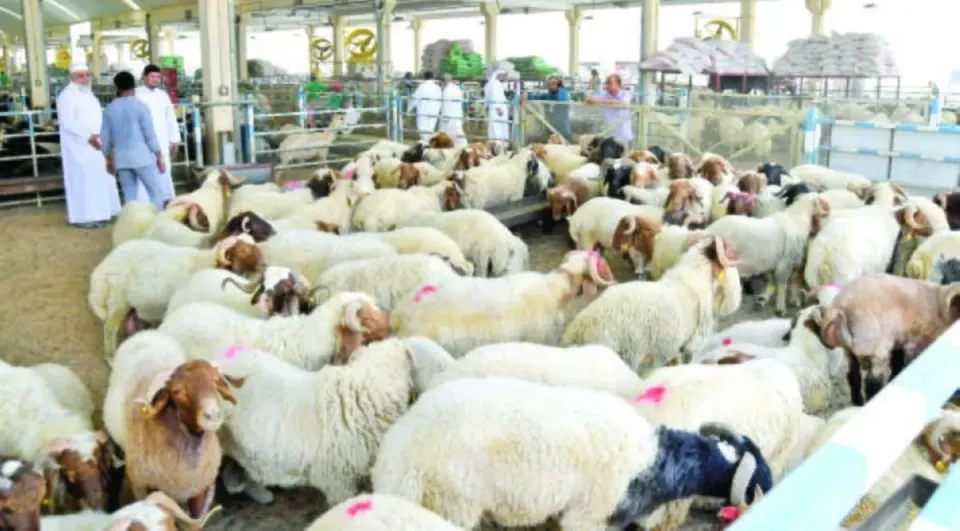
Qatar's new Law No. 12 of 2026 on Animal Health has received broad support from local livestock owners and breeders, who say it strengthens disease prevention, tightens import controls and reinforces food security for a sector that reached approximately 1.1 million head of livestock at end-2024.
A new analysis of EU RASFF data covering 2020–2024 finds that aflatoxins accounted for 84 percent of mycotoxin-related food and feed notifications, with products originating outside the EU implicated in 90 percent of cases. Researchers from the University of Córdoba and CSIC found no statistically significant long-term upward trend in notifications despite a record 663 in 2024.
The European Commission has published Commission Implementing Regulation (EU) 2026/2084, adopted on 18 September 2026 and published on 21 September 2026, renewing the authorisation of three forms of vitamin E as additives in animal feed for all species across the EU. The regulation replaces Regulation (EU) 2015/1152 and requires feed manufacturers, distributors and farmers to update their technical documentation and compliance references.
The European Commission has formally authorised L-isoleucine produced by fermentation with the bacterial strain Corynebacterium glutamicum CCTCC M 2022764 as a zootechnical additive in animal feed for all species, under Implementation Regulation (EU) 2026/2087 dated 18 September 2026.
The European Commission has formally authorised nutmeg essential oil (Myristica fragrans Houtt.) as a sensory additive in animal feed for all species under Implementing Regulation (EU) 2026/2076, adopted on 17 September 2026. Feed manufacturers across the EU may now incorporate the ingredient subject to the technical conditions and dosage requirements set out in the regulation.
Ukraine's Cabinet of Ministers has approved three new unified import document forms covering live animals, animal products, and non-animal feed, replacing a 2018 regulation and aligning border control procedures with European Union standards under the IMSOC framework.