Qatar Enacts Animal Health Law No. 12 of 2026, Backed by Livestock Breeders
Qatar's new Law No. 12 of 2026 on Animal Health has received broad support from local livestock owners and breeders, who say it strengthens disease prevention, tightens import controls and reinforces food security for a sector that reached approximately 1.1 million head of livestock at end-2024.

Qatar has ratified Law No. 12 of 2026 on Animal Health, a measure that local livestock owners and breeders have described as an important step forward for disease prevention and national food security, according to a report published by Gulf Times on 20 September 2026.
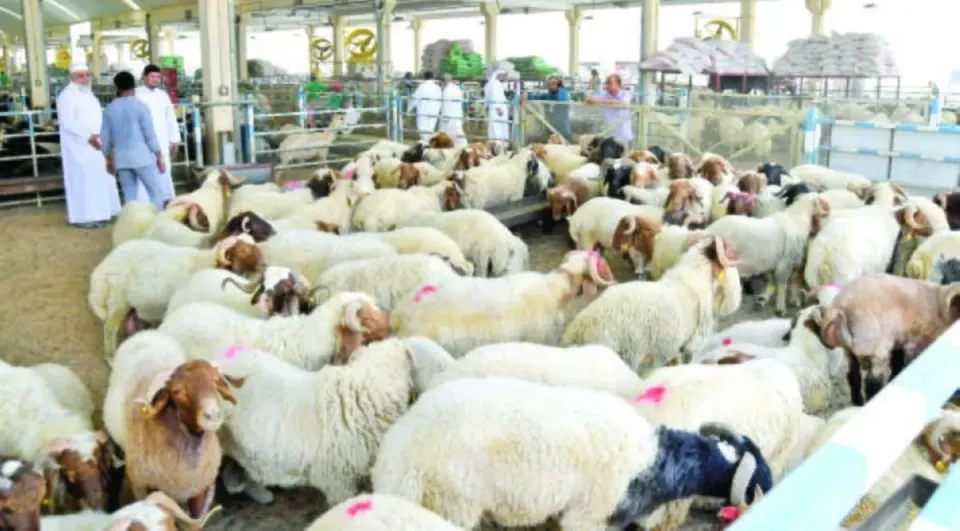
The legislation is intended to bring national animal-health practices closer to international standards and reinforce disease surveillance across the country's livestock sector. At the end of 2024, Qatar's economically significant livestock population stood at approximately 1.1 million head, comprising around 60% sheep, 29% goats, 3% cattle and 8% camels, the report stated.
Breeders Highlight Import Controls and Market Inspections
Livestock owner Rashid Ali al-Nuaimi stressed the need for stringent veterinary controls on animals brought into the country, warning that diseases introduced through imported livestock could pose a wider threat if animals are not properly examined and quarantined. He called specifically for veterinary inspections at livestock markets, including informal trading locations, to prevent the sale and movement of infected animals.
Breeder Jabran al-Hababi stressed the importance of improving livestock mobility and access to natural grazing areas. He said that prolonged confinement can limit animals' movement and called for greater access to natural pastures where conditions permit. He also pointed to the potential benefits of natural vegetation as part of a diversified feeding system.
Feed Costs and Government Support
Feed costs remain a key consideration for the sector. According to the Ministry of Municipality, government support covers up to 70% of feed components, alongside free vaccination campaigns against epidemic diseases. Barn owner Saad Khalid al-Kubaisi called for broader availability of veterinary medicines and feed products through government centres, noting that breeders sometimes have to obtain certain medicines from private clinics.
Ministry Infrastructure Plans
The Ministry of Municipality said last year it was developing an animal-disease monitoring and tracking programme, upgrading veterinary diagnostic laboratories and expanding veterinary services in major livestock concentrations. The ministry also reported plans for additional veterinary centres, including facilities in Al Wakra and Al Karaana.
Domestic Production and Self-Sufficiency
Qatar's livestock sector has recorded measurable progress in domestic output. In 2025, the Ministry of Municipality reported annual domestic production of around 202,000 tonnes of dairy products, 25,000 tonnes of fresh poultry meat, 16,000 tonnes of table eggs and 9,000 tonnes of red meat. Self-sufficiency was reported at 100% for dairy and fresh poultry, 34% for table eggs and about 15% for red meat.
More recently, at AgriteQ 2026, the ministry reported updated self-sufficiency rates of 99% for dairy, 100% for poultry and 24% for sheep and goat meat.
Barn owner Jaberal-Marri stressed that continued investment in veterinary services would help breeders protect their herds and reduce losses from preventable disease, adding that early isolation, veterinary diagnosis and appropriate treatment can significantly limit the consequences of outbreaks.
Prepared with AI assistance and reviewed by the editorial team.