
EFSA Calls for Stronger Biosecurity as Autumn Bird Flu Season Threatens Poultry Supply Chains
The European Food Safety Authority (EFSA) and the European Commission have renewed their joint #NoBirdFlu campaign ahead of the autumn migration season, urging farm-level biosecurity improvements to reduce avian influenza risks. Nearly 8,000 outbreaks were detected in Europe between October 2025 and June 2026, with supply chain disruption a growing concern for feed and food manufacturers relying on egg-derived ingredients.

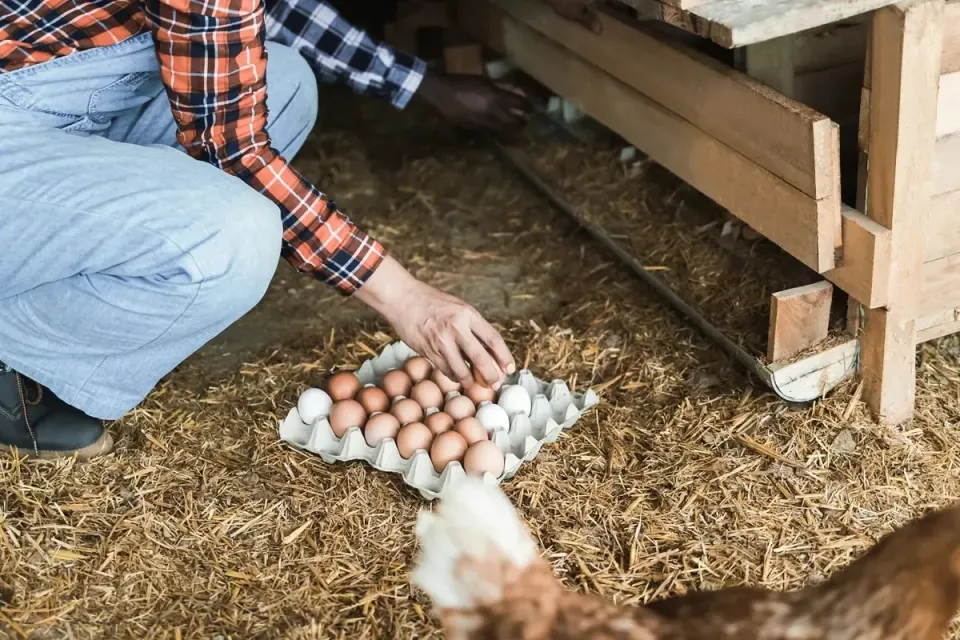
The European Food Safety Authority (EFSA) and the European Commission have launched a renewed joint #NoBirdFlu campaign ahead of the autumn 2026 wild-bird migration season, warning that avian influenza outbreaks could disrupt poultry and egg supply chains across Europe.
Alessandro Broglia, senior scientific officer at EFSA's Biological Hazards & Animal Health and Welfare Unit (BIOHAW), told Food Ingredients First that prevention remains the primary line of defence. "Bird flu prevention starts long before a virus reaches a farm. Scientific evidence consistently shows that strong biosecurity remains the most effective tool for reducing outbreaks," he said.
Scale of Recent Outbreaks
According to EFSA, almost 8,000 outbreaks were detected in Europe between October 2025 and June 2026. Between 5 June and 28 August 2026, EFSA reported 110 HPAI A(H5N1) detections in European domestic (7) and wild (103) birds. The authority noted that migratory birds travel across the region during winter, leading to a surge in bird flu cases.
The scale of the threat has broader context beyond Europe. In the United States, the government allocated US$1 billion to combat H5N1 last year, and the cost per dozen eggs rose by 65% in December 2024 compared to December 2023, according to the source.
Campaign Focus on Small Farms and Backyard Keepers
While farms of all sizes can be affected, Broglia said the 2026 campaign focuses especially on small farmers and backyard poultry keepers. "This is based on research suggesting that this group may be less aware of the risks posed by bird flu and the measures that can help prevent its spread. They may also face more challenges in implementing them consistently," he explained.
The joint campaign promotes five biosecurity measures: preventing contact between poultry and wild birds; controlling access to farms; maintaining cleaning and disinfection routines; keeping poultry species separate; and ensuring the early detection of disease signs. A toolkit covering all EU languages — including infographics, posters, videos, and social media content — is available to support farmers and small flock holders.
Supply Chain Implications for Feed and Food Manufacturers
The EU egg sector is significant to food and feed manufacturing. Over 350 million laying hens produce around 6.7 million metric tons of eggs annually in the region, according to the source. Egg products are widely used as functional ingredients across bakery, sauces, and confectionery applications.
Broglia noted that avian influenza outbreaks can have "significant consequences" for poultry producers, as control measures may require the culling of affected flocks and restrictions on animal movements. "As a result, outbreaks can disrupt poultry populations and supply chains," he said.
He advised food manufacturers and ingredient suppliers to monitor developments from veterinary authorities, the European Commission, EFSA, and national animal health authorities. Manufacturers operating their own farms or working closely with poultry producers should also "encourage robust biosecurity practices throughout the supply chain," he added.
EFSA itself, Broglia noted, does not assess commercial supply chains or market availability of specific ingredients.
Egg Replacement Strategies Under Consideration
The source reports that manufacturers are exploring formulation strategies including plant-based, fermentation-derived, and protein-based egg replacement technologies designed to replicate eggs' key functional properties such as emulsification and foaming across bakery, sauces, and other applications — though specific company or product details were not provided in the source.
Food Safety and Human Health
On the question of foodborne transmission, Broglia stressed that "there is no convincing evidence that avian influenza can be transmitted to humans through the consumption of contaminated food." He added that "safe handling of raw meat and other raw food ingredients, thorough cooking, and good kitchen hygiene can prevent or reduce the risks posed by contaminated food."
He did note that workers involved in culling operations face exposure risks and must be adequately protected and actively monitored after exposure, given that avian influenza can be transmitted to humans through contact with infected animals.
Broglia summarised the overarching priority: "Ultimately, the best way to minimize the impact of avian influenza is to prevent outbreaks from occurring in the first place. Strong biosecurity remains the cornerstone of that effort," he noted.
Prepared with AI assistance and reviewed by the editorial team.