UK bluetongue cases surpass combined total of previous three seasons
The UK's 2026-27 bluetongue season has recorded 2,201 cases, exceeding the combined total of the previous three seasons, with the disease spreading into Scotland for the first time. Vaccine supply pressures and climate-linked midge activity are compounding challenges for livestock farmers.

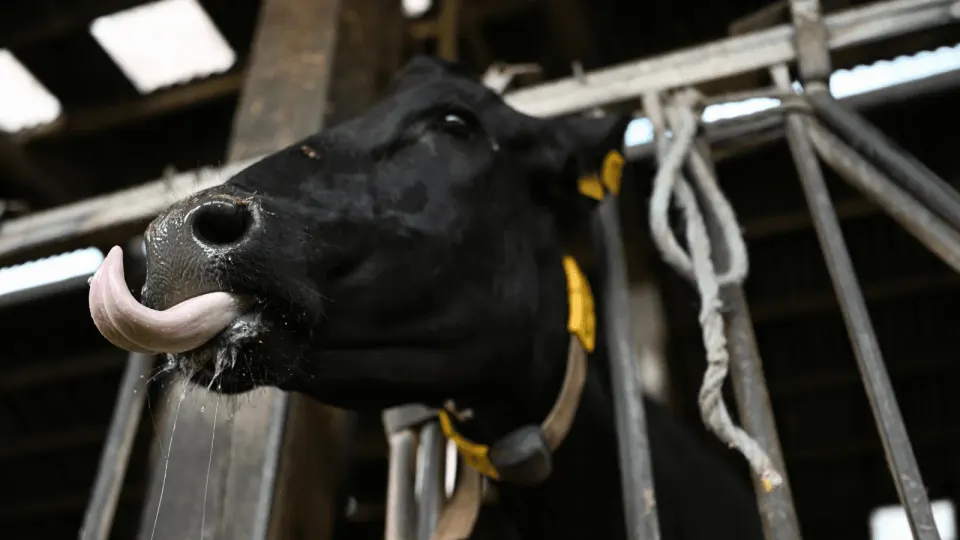
Reported bluetongue cases in the United Kingdom have surpassed the combined total of the previous three seasons, with the disease spreading farther north and increasing pressure on livestock farmers, according to the Department for Environment, Food and Rural Affairs (Defra).
Defra has recorded 2,201 cases during the 2026-27 bluetongue season, which runs from 1 July 2026 to 30 June 2027. September alone accounted for 1,103 of those cases. Defra defines a bluetongue case as a premises where at least one animal with the disease is present, meaning the total does not represent the full number of affected animals.
Bluetongue affects sheep, cattle and other ruminants and can cause fever, ulcers, swelling, lameness and, in severe cases, death. The disease does not affect people or food safety. The virus is transmitted by biting midges. Serotype 3 (BTV-3), the strain currently affecting UK livestock, was first detected in England in 2023.
The outbreak has now crossed into Scotland for the first time, with cases recorded as far north as Aberdeenshire.
Vaccine supply under strain
Farmers can vaccinate livestock against bluetongue, but Robyn Munt, vice-president of the National Farmers' Union, said obtaining vaccines had been challenging because supplies operate through a demand-led process. Munt also said farmers faced additional labour and financial pressure from vaccination and potential treatment of affected animals, alongside drought-related costs.
Climate link
The spread of BTV-3 has been linked to warmer conditions that allow biting midges to survive and transmit the virus over a wider area. The World Organisation for Animal Health has linked the wider spread of bluetongue in Europe to climate change.
Tom Cantillon, a senior analyst at the Energy and Climate Intelligence Unit, said warmer summers and milder winters could increase the risk of pests and pathogens establishing in areas where they previously struggled to survive.
The outbreak is increasing the importance of disease surveillance, vaccination and preparedness as bluetongue extends into new areas of the UK, according to the source report.
Prepared with AI assistance by Endata and reviewed by the editorial team.