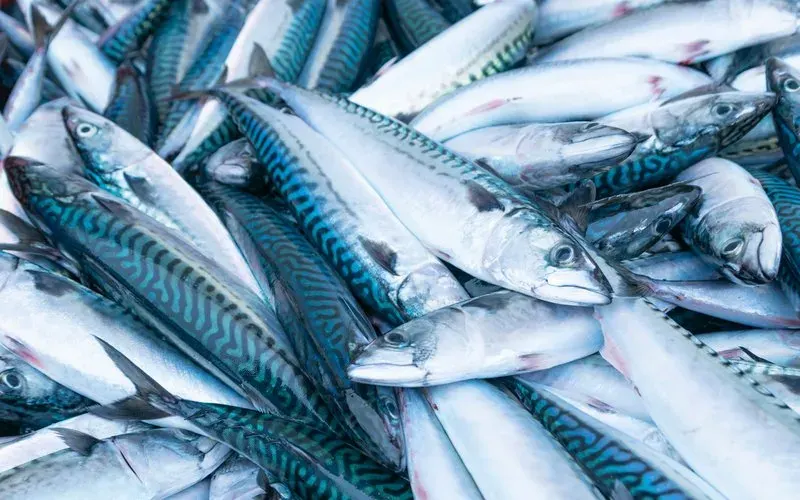
The International Council for the Exploration of the Sea has increased its 2027 catch advice for Northeast Atlantic mackerel, blue whiting and Norwegian spring-spawning herring, with mackerel advice more than doubling. Industry group NAPA and the Marine Stewardship Council both caution that the improved outlook does not resolve more than a decade of unresolved quota-sharing disputes among Coastal States.
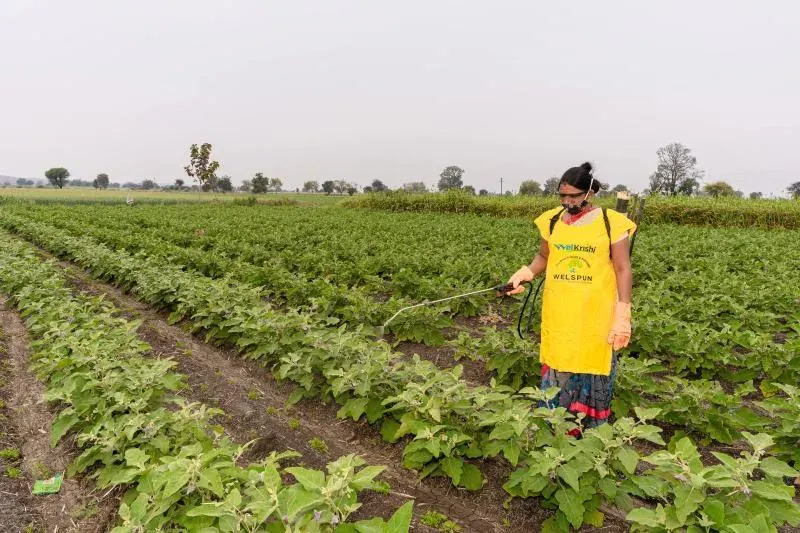
The Council of the European Union has adopted its negotiating position calling for maximum residue levels of certain hazardous pesticides in imported food and feed to be lowered to the limit of quantification — known as technical zero — pending an impact assessment. The mandate, part of the Omnibus X food and feed safety package, expands coverage to substances posing risks to honeybees or groundwater, but the rules are not yet in force and require the European Parliament to adopt its own position before negotiations can begin.
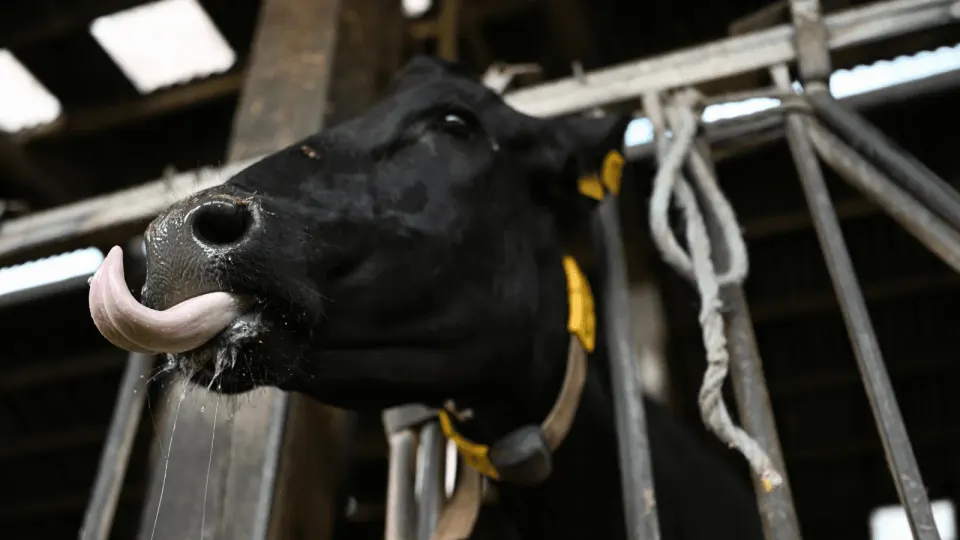
The UK's 2026-27 bluetongue season has recorded 2,201 cases, exceeding the combined total of the previous three seasons, with the disease spreading into Scotland for the first time. Vaccine supply pressures and climate-linked midge activity are compounding challenges for livestock farmers.
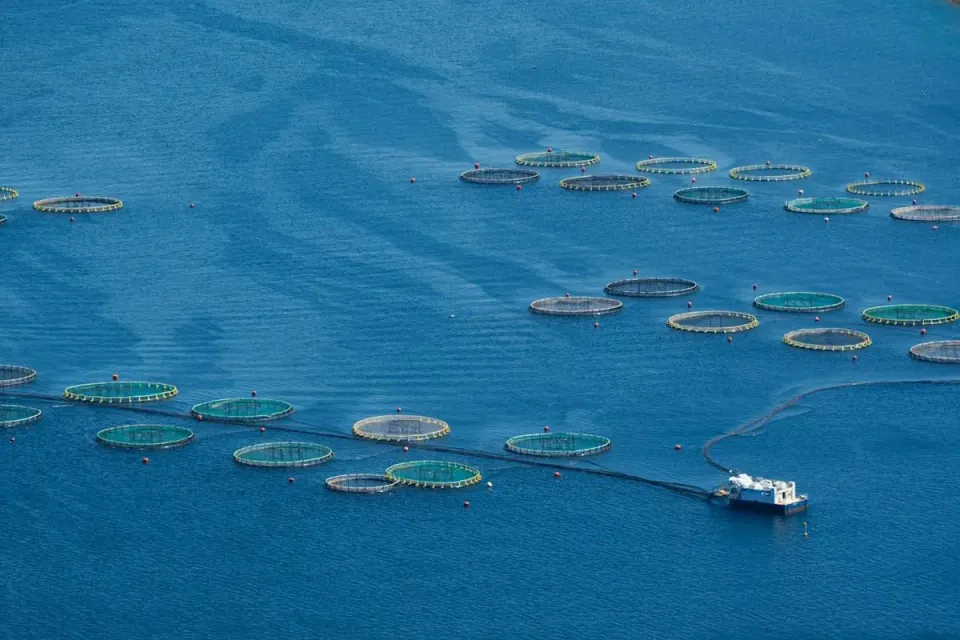
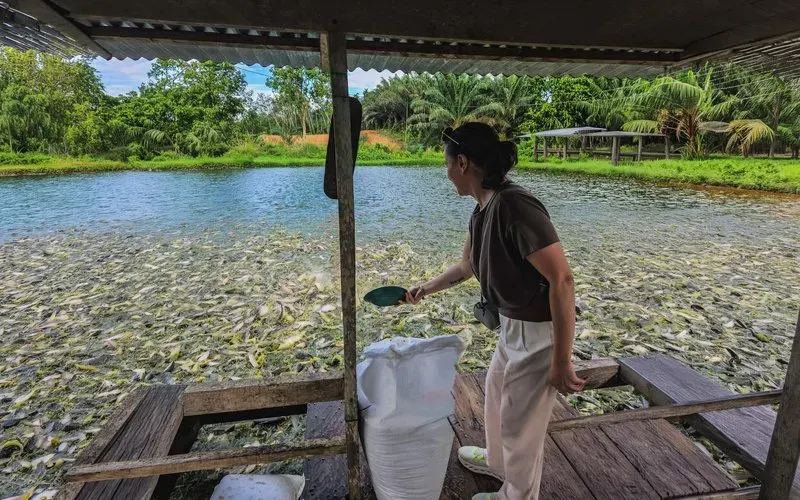
The UN Food and Agriculture Organization's SOFIA 2026 report, launched at the 11th Our Ocean Conference in Mombasa, Kenya, reveals that global aquaculture aquatic animal production reached 103 million tonnes in 2024, surpassing the 100 million tonne threshold for the first time. Asia accounts for around 89% of farmed output, and aquaculture now supplies 53% of total aquatic animal production. FAO projects production could reach 214 million tonnes by 2034, though climate change and sustainability pressures pose risks.
Vylor, set to become independent from Corteva on 1 October 2026, and Belgian agricultural biotech startup Rainbow Crops have entered a collaboration to develop gene-edited corn traits using AI, multiplex genome editing, precision breeding, and automated phenotyping, targeting improved resilience to heat, drought, and flooding.
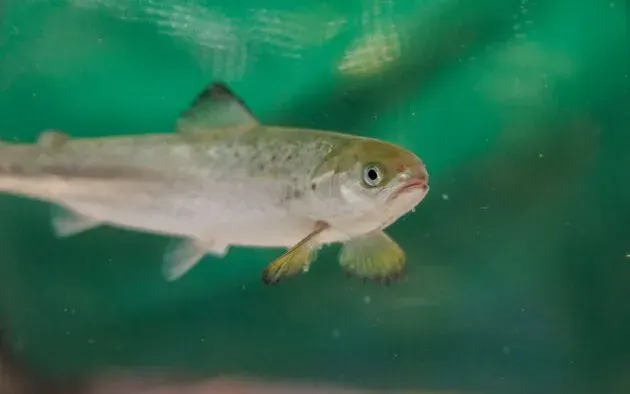
A joint study by Norway's Nofima and Spain's IATS has found that Atlantic salmon gills undergo measurable changes in bacterial communities and gene expression in response to simulated marine heatwaves, low oxygen, and jellyfish exposure — well before any visible damage is observed. The findings, published in Frontiers in Marine Science, highlight growing concerns about the impact of combined climate-related stressors on farmed salmon gill health.
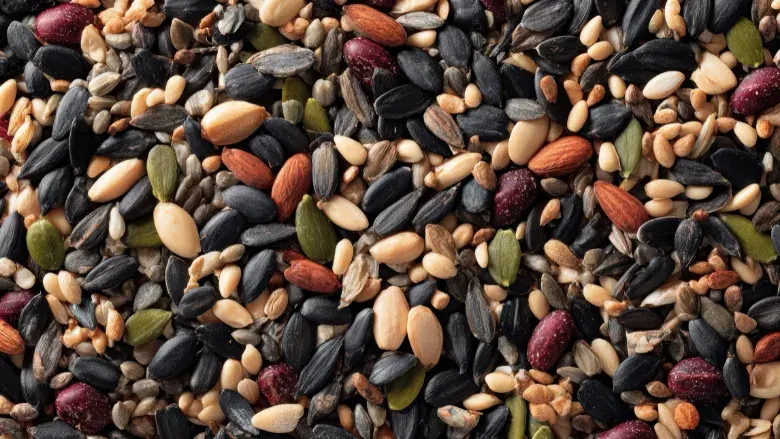
A peer-reviewed analysis of 2,479 RASFF mycotoxin notifications from 2020 to 2024 by University of Córdoba researchers finds that aflatoxins drove 84% of recorded cases, with nuts, seeds, and products of non-EU origin accounting for the largest shares. The study cautions against reading notification counts as direct measures of contamination prevalence, but highlights persistent risk in a narrow set of commodity groups relevant to feed and food ingredient buyers.
The Food and Agriculture Organization of the United Nations convened a global conference in Rome on 22 September 2026 to translate One Health principles into practical action across agrifood systems, unveiling a new livestock data and intelligence platform to support early warning and evidence-based decision-making.
The Philippines is exploring a more diversified aquafeed ingredient base as El Niño, global supply disruptions, and import dependence increase pressure on conventional feed sources, according to Ateneo de Manila University associate professor Janice A. Ragaza.
Palm oil prices face near-term downward pressure after Malaysia reported higher August inventories and weaker exports, while speculation mounts that India could reduce import duties on edible oils, adding further headwinds to global palm prices.
A new analysis of EU RASFF data covering 2020–2024 finds that aflatoxins accounted for 84 percent of mycotoxin-related food and feed notifications, with products originating outside the EU implicated in 90 percent of cases. Researchers from the University of Córdoba and CSIC found no statistically significant long-term upward trend in notifications despite a record 663 in 2024.