Philippines rethinks aquafeed ingredient sourcing as climate uncertainty mounts
The Philippines is exploring a more diversified aquafeed ingredient base as El Niño, global supply disruptions, and import dependence increase pressure on conventional feed sources, according to Ateneo de Manila University associate professor Janice A. Ragaza.

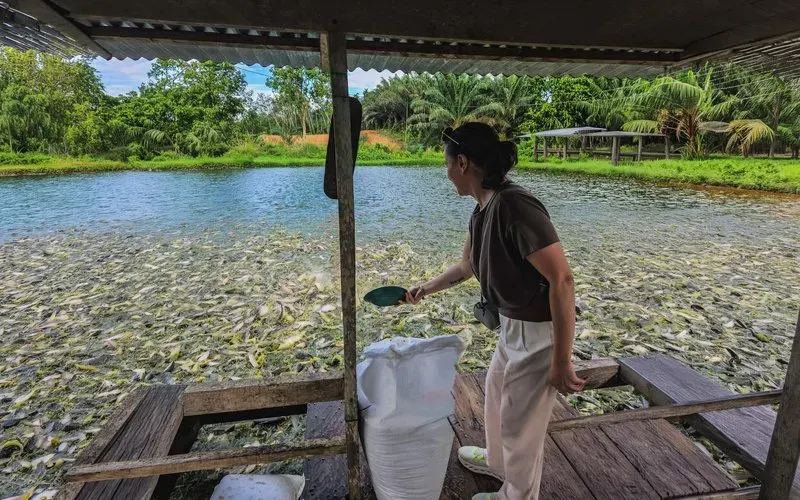
The Philippines is reconsidering its aquafeed ingredient strategy as climate variability and global supply uncertainty intensify pressure on the country's feed manufacturing sector, according to a report published by Aquafeed.com on 23 September 2026.
Aquaculture is the largest fisheries subsector in the Philippines, with seaweed, milkfish, tilapia and shrimp among its major commodities. A commercial aquafeed industry supports this production, but its reliance on several imported ingredients leaves manufacturers exposed to fluctuations in global supply, prices and raw material quality.
Janice A. Ragaza, a Filipina aquaculture scientist and associate professor at Ateneo de Manila University, told Aquafeed.com that ingredient reliability is becoming one of the key concerns for Philippine aquaculture. The country still imports soybean meal and wheat products, while locally available agricultural by-products offer a potential alternative. However, Ragaza cautioned that "these materials can vary in nutrient composition, digestibility and quality, making them more difficult to use consistently in commercial feeds."
That variability becomes particularly important when manufacturers formulate feeds at scale, the report notes, since an ingredient that performs well in a laboratory trial may not be commercially practical if its composition or supply changes between batches.
Alternative ingredients
For fishmeal replacement, Ragaza identified potential in processed poultry by-product meals, fish processing by-product meals, and fermented copra meal as a partial plant-based protein source. Black soldier fly larvae meal was also cited as a promising option, although Ragaza noted its commercial availability, economics, and consumer acceptance still need to develop.
The Philippines remains exposed to disruptions in imported fishmeal supply. Global fishmeal availability is influenced by production conditions in major producing countries such as Peru, meaning changes in international production can affect both availability and prices for Philippine feed manufacturers.
Fish oil presents a different situation: coconut and other vegetable oils can partially replace dietary lipids in some species, including Nile tilapia, but do not provide the same levels of EPA and DHA as marine oils. Ragaza also noted that the Philippines exports substantial quantities of fish oils, meaning the country should not be considered completely dependent on imports for this ingredient.
Ragaza said standardization remains the major technical hurdle for wider adoption of alternative ingredients, with manufacturers needing materials with predictable nutritional characteristics while also ensuring acceptable palatability, pellet quality, storage stability and cost.
Climate effects
El Niño adds another layer of uncertainty by affecting aquaculture production and the availability of locally sourced feed materials. In freshwater ponds, lakes and reservoirs, lower water levels combined with higher temperatures can reduce dissolved oxygen, increasing stress and raising the risk of disease and fish kills. Brackishwater farms may face changes in salinity and water availability.
According to Ragaza, the impact of El Niño depends on location, species, and culture system, making adaptation measures highly dependent on local production conditions rather than a single national approach.
Climate-related changes could also reduce the supply of raw materials generated by local fisheries, including fishmeal and other marine feed ingredients derived from tuna, sardine and other fish processing by-products. Feed producers may partly compensate through imports, but doing so could increase exposure to international markets and add further supply uncertainty.
Ragaza believes El Niño could encourage greater interest in locally sourced alternatives by highlighting the risks of relying on a limited number of globally traded commodities. However, she does not expect the climate event alone to drive a fundamental transformation of the industry.
Instead, Ragaza argues that a more resilient Philippine aquafeed system would require a diversified ingredient base rather than replacing one imported raw material with a single local substitute. Feed formulation could also become more flexible by placing greater emphasis on digestible nutrients and amino acid requirements rather than relying primarily on fixed ingredient percentages.
Prepared with AI assistance and reviewed by the editorial team.