Chilean Salmon Farmer Invermar to Trial Feed Additive Targeting 50% Cut in SRS Mortality
Researchers at Chile's Pontifical Catholic University of Valparaíso have developed a synthetic peptide-based feed additive, Aqua P-Enhance, designed to boost Atlantic salmon's innate immune response against salmonid rickettsial septicaemia. Salmon farming company Invermar has agreed to integrate the additive into its feed production lines for real-world farm trials, with performance targets including a 50% reduction in SRS-related mortality and antimicrobial use, and a 10% increase in final body weight.

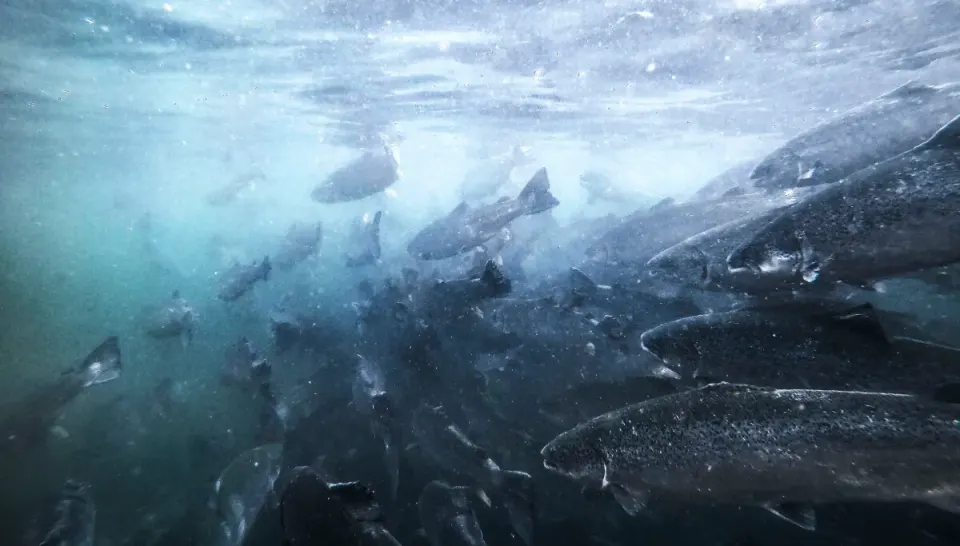
Researchers at the Pontifical Catholic University of Valparaíso (PUCV) in Chile have developed a bioactive feed additive intended to strengthen Atlantic salmon's innate immune defences against salmonid rickettsial septicaemia (SRS), and salmon farming company Invermar has agreed to conduct real-world farm trials of the product, according to a report by Fish Farming Expert's Chilean sister site, Salmonexpert.cl, published on 23 September 2026.
SRS, caused by the intracellular bacterium Piscirickettsia salmonis, results in losses exceeding US $700 million per year in Chile and triggers intensive use of antibiotics, according to the source article. The disease represents one of the most significant health and economic challenges facing the Chilean salmon industry.
How the Additive Works
The product, Aqua P-Enhance, is a synthetic peptide-based additive described as working by strengthening the fish's natural defences — as evaluated in immune system organs such as the anterior kidney and spleen — without directly interacting with P. salmonis. According to PUCV, this approach eliminates the risk of bacterial resistance and allows the compound to be integrated directly into commercial diets at parts per million (ppm) doses.
Yannick Pombett, a food engineer and PhD in biotechnology from PUCV who leads the project, described the rationale: "The great innovation of this development lies in the fact that it does not interact directly with the bacteria, virtually eliminating the risk of generating bacterial resistance. Instead, the compound specifically reinforces the fish's innate immune response to episodes without triggering sterile inflammation when the animal is healthy, also offering a dual function by promoting salmon growth and improving its overall hematological parameters."
Professor Luis Mercado, director of the immunology laboratory at PUCV and alternate director of the project, said the initiative represents the consolidation of more than two decades of laboratory research. The development of Aqua P-Enhance originated from Pombett's doctoral thesis, which included an international internship at the Norwegian University of Life Sciences (NMBU) in the animal nutrition research group of Dr Margareth Øverland, where he specialised in aquaculture immunonutrition.
Industry Partnership and Farm Trials
To advance the technology from technology readiness level 5 — validation in a relevant real-world environment — to TLR 7, described as a prototype demonstrated in an operational environment, the project has finalised a collaboration agreement with Invermar. The company will integrate Aqua P-Enhance into its feed production lines to carry out validations at fish farms under real-world conditions during the grow-out phase in seawater.
Mercado highlighted the significance of industry engagement at this stage: "The product we are developing will be applied directly in the field in fish farms. This represents a significant milestone, since aquaculture companies are often reluctant to take risks during the saltwater grow-out phase."
Pombett added that Invermar's participation reflects a strategic decision by the company: "Invermar seeks to differentiate itself and compete by developing its own research and innovation department."
Performance Targets and Commercialisation
The researchers have set projected performance goals including a 50% reduction in mortality caused by SRS, an equivalent 50% decrease in the use of antimicrobials, and an increase of at least 10% in the final body weight of salmon.
Alongside the scale-up effort, the development team has established a spin-off company, Peptide Aqua Solutions. The researchers anticipate that after approximately two years, once validations at Invermar's fish farms are completed, the team will be ready to begin marketing Aqua P-Enhance in partnership with feed manufacturers or seek funding to launch its own production plant.
Prepared with AI assistance and reviewed by the editorial team.