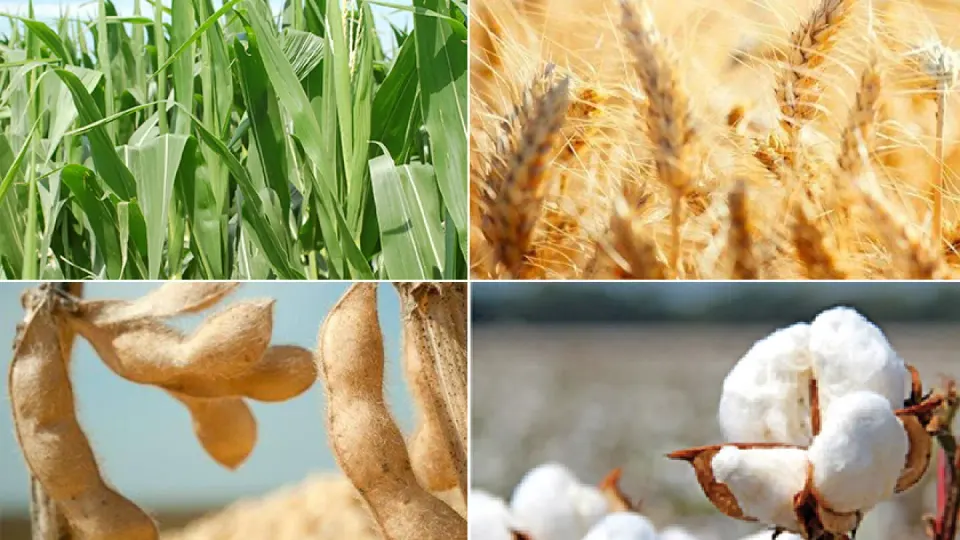
US weekly export sales for corn, soybeans, and wheat for the week ended September 17 all came in below or at the low end of trade expectations, with Pro Farmer citing a stronger US dollar and elevated prices as potential demand headwinds. Meanwhile, the US-China trade truce was extended by two months, and USDA reported a daily soybean sale to China.
Vylor, set to become independent from Corteva on 1 October 2026, and Belgian agricultural biotech startup Rainbow Crops have entered a collaboration to develop gene-edited corn traits using AI, multiplex genome editing, precision breeding, and automated phenotyping, targeting improved resilience to heat, drought, and flooding.
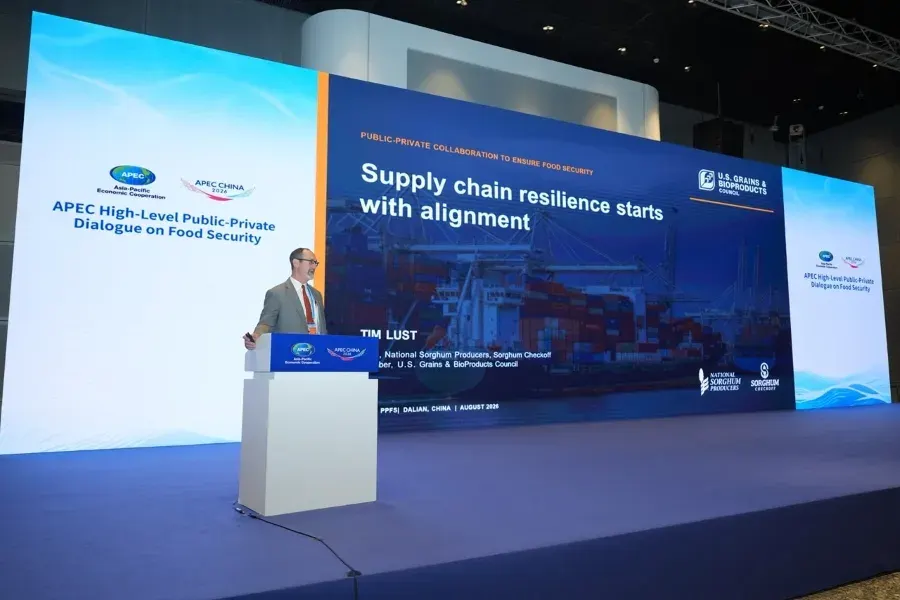
The U.S. Grains & BioProducts Council participated in the APEC High-Level Public-Private Dialogue on Food Security in Dalian, China, alongside nearly 150 representatives from across the Asia-Pacific region, with a focus on U.S. sorghum trade, bilateral agricultural relations, and regional supply chain resilience.
Ukrainian corn FOB and FCA prices at Odesa edged lower on 24 September 2026 as active Black Sea export flows kept seller competition intense, while French FOB corn firmed and German EXW values held broadly steady. CMB News expects mostly stable to mildly softer indications across Brazil, Germany and Ukraine over the next three days.
The Philippine Department of Agriculture is reviewing broader use of millet in animal feed rations to reduce the country's dependence on corn as a very strong El Niño, projected to persist into the first half of 2027, raises the risk of drought-related supply shocks. While corn remains the dominant feed grain, any large-scale millet adoption could gradually temper growth in Philippine corn import demand, a development international exporters are beginning to monitor.
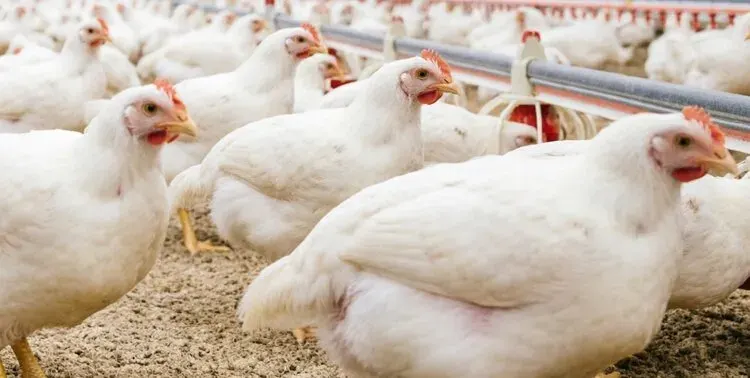
A Chinese study published in September 2026 reports that single-cell protein derived from the bacterium Ralstonia eutropha H16 can substitute soybean meal in broiler chicken diets at inclusion levels up to 8%, maintaining growth performance while improving antioxidant capacity, immune status, and gut health.
U.S. grain futures on September 25, 2026 finished near session highs after early selling pressure gave way to a recovery driven by a weaker dollar and trade-deal optimism. December corn edged up fractionally, November soybeans posted weekly gains on news of a U.S.-China trade subset agreement, while wheat futures ended the week lower amid a sustained price downtrend. Persistent Midwest rains are delaying harvest and tightening soybean supplies at processors.
U.S. Trade Representative Jamieson Greer said on 25 September 2026 that a bilateral Board of Trade agreement with China would protect selected agricultural exports from future tariff retaliation, with full details expected on 28 September. The trade truce has also been extended through January 2027, but an unresolved Section 301 overcapacity investigation could complicate the arrangement.
US on-highway diesel hit an all-time record of $6.53 per gallon in the week of 21 September 2026, coinciding with the harvest season. The Trump administration is weighing a range of targeted measures — including dyed-diesel distribution, state tax relief and voluntary refiner concessions — after setting aside a 90-day export ban that energy officials and industry warned would backfire. USDA projects 2026 farm fuel and oil spending at $21.6 billion, up 28.8% from 2025.
Corn, soybean, and wheat futures faced sharp selling pressure on 25 September 2026, with all three grain markets breaking down technically amid disappointing outcomes from the Trump-Xi summit, a potential Iran-U.S. deal that pressured crude oil, and rising U.S. Treasury yields. USDA's Hogs & Pigs report added a bearish tone to cattle markets while offering a modestly supportive signal for lean hog futures.
The U.S. Grains & BioProducts Council escorted a 19-member South Korean feed and food corn buyer delegation on a multi-state tour of the U.S. corn export chain in September 2026, covering farms, ethanol facilities, grain handling sites and Pacific Northwest export terminals, as U.S. corn holds more than 80% of South Korea's import market so far this year.
A strengthening El Niño event, combined with fertilizer shortages, geopolitical tensions, and elevated energy costs, could push global food and feed commodity prices up by 14–16%, according to procurement consultancy Beroe. Key feed ingredients including corn, vegetable oils, and sugar face varying levels of supply and price risk, with the full market impact potentially not materialising until 2028.