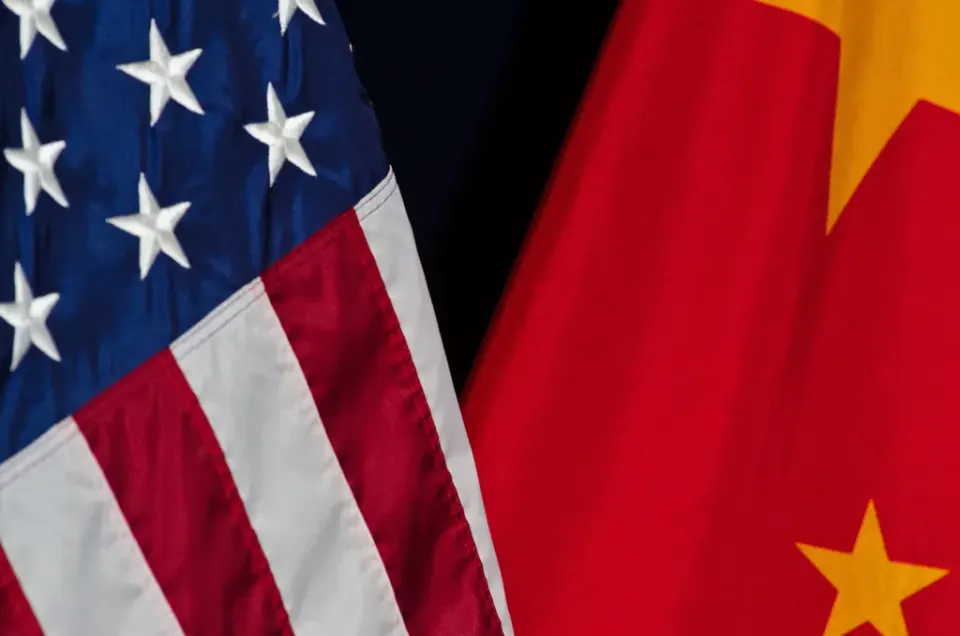
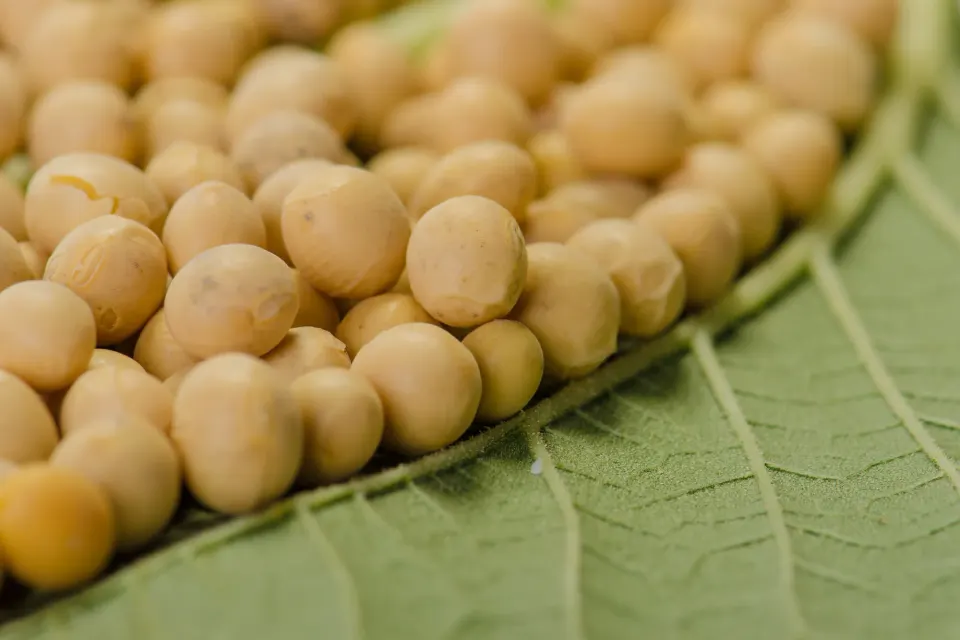
Heavy rainfall across the U.S. central and southern Plains is stalling winter wheat planting and interrupting corn and soybean harvest, while in Brazil, above-normal heat in key northern growing states is threatening early soybean planting. China's decision to cut tariffs on several U.S. agricultural commodities but leave soybeans under an additional 10% duty drove sharp losses in soybean futures on Monday.
Brazil's annual beef import quota in China was exhausted on September 29, activating an additional 55% surcharge on top of China's standard 12% tariff from October 1, 2026. With EU market access also suspended and U.S. relief limited, Brazilian exporters face mounting pressure to discount or redirect supply.
U.S. Trade Representative Jamieson Greer said on October 1, 2026, that there is no set timetable for implementing proposed tariff reductions covering roughly $60 billion in U.S.-China trade, citing required legal and public comment processes. The announcement tempers expectations raised by a September 27 agreement, and leaves key agricultural commodities — including non-seed soybeans — facing continued uncertainty.
The United States and China have agreed to pursue reciprocal tariff reductions covering $60 billion worth of goods, including US corn, wheat and meat as well as Chinese consumer products, following a presidential summit in Washington. Non-seed soybeans — the largest US agricultural export to China — were excluded from China's list, prompting criticism from the American Soybean Association and a sharp drop in Chicago soybean futures. The two sides also extended their trade truce through to 10 January and agreed on an agriculture working group.
China's soybean import demand is expected to ease in the coming months as private crushers face negative crush margins and weak feed demand linked to shrinking hog herds. Soybeans were excluded from tariff relief announced after the Xi-Trump summit, keeping US cargoes uncompetitive with South American supplies. Domestic inventories at Chinese crushing plants have reached a 15-year high.
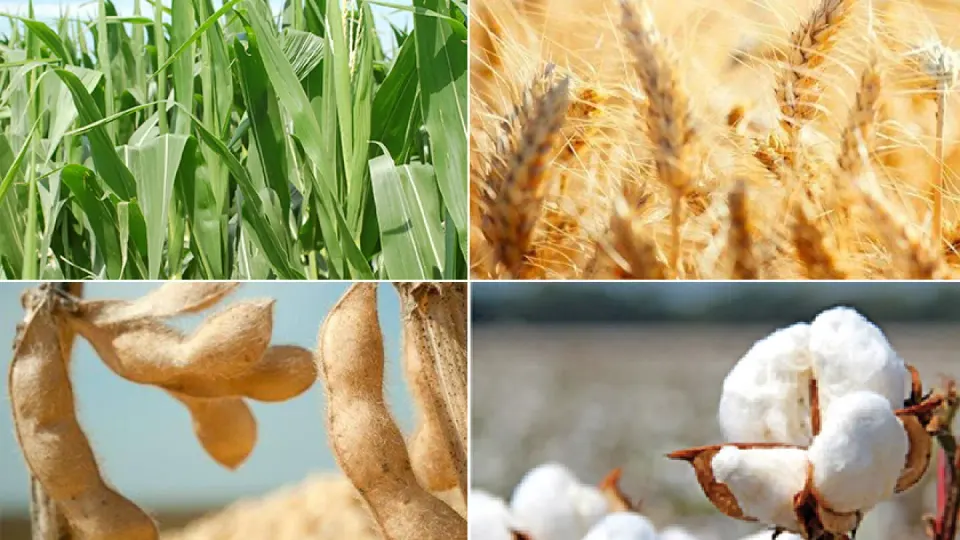
China has published a 1,619-tariff-line list of U.S. products eligible for consideration for lower tariffs, covering corn, wheat, cotton, beef, pork, dairy and ethanol, but notably omitting commercial (non-seed) soybeans and distillers dried grains with solubles (DDGS). Actual tariff reductions remain pending domestic legal processes in each country, and the widely cited "30-for-30" figures represent a 2024 trade valuation benchmark rather than a purchasing or savings commitment.
U.S. grain futures on September 25, 2026 finished near session highs after early selling pressure gave way to a recovery driven by a weaker dollar and trade-deal optimism. December corn edged up fractionally, November soybeans posted weekly gains on news of a U.S.-China trade subset agreement, while wheat futures ended the week lower amid a sustained price downtrend. Persistent Midwest rains are delaying harvest and tightening soybean supplies at processors.
U.S. Trade Representative Jamieson Greer said on 25 September 2026 that a bilateral Board of Trade agreement with China would protect selected agricultural exports from future tariff retaliation, with full details expected on 28 September. The trade truce has also been extended through January 2027, but an unresolved Section 301 overcapacity investigation could complicate the arrangement.
Corn, soybean, and wheat futures faced sharp selling pressure on 25 September 2026, with all three grain markets breaking down technically amid disappointing outcomes from the Trump-Xi summit, a potential Iran-U.S. deal that pressured crude oil, and rising U.S. Treasury yields. USDA's Hogs & Pigs report added a bearish tone to cattle markets while offering a modestly supportive signal for lean hog futures.
Grain and oilseed futures closed mostly lower on 22 September 2026, according to ADM Investor Services analyst Mark Soderberg. Corn drifted back toward session lows while managed money extended a long position that ADMIS described as a potential record high. Soybeans finished mixed, soybean meal protein value reached a seven-month high, and wheat futures fell sharply amid ongoing Black Sea conflict and softening global supply signals.
Corn futures pulled back toward technical support on September 23, 2026, erasing Monday's gains, while a USDA daily export sale to Mexico, a high-stakes Xi-Trump summit in Washington, a proposed U.S. diesel export ban, and a projected 70% surge in global biofuel output by 2030 combined to create a complex backdrop for feed-grain and oilseed markets.
The South American rendering industry convened in Mendoza, Argentina, for the Reunion of the Americas (REAM) on 8–10 September 2026. Discussions centred on tightening fishmeal supply, surging export demand for Brazilian animal protein meals, shifting trade conditions for low-carbon feedstocks, and the growing interconnection of regional rendered-product markets.