China's Soybean Purchases Set to Slow as Crush Margins Turn Negative and Feed Demand Softens
China's soybean import demand is expected to ease in the coming months as private crushers face negative crush margins and weak feed demand linked to shrinking hog herds. Soybeans were excluded from tariff relief announced after the Xi-Trump summit, keeping US cargoes uncompetitive with South American supplies. Domestic inventories at Chinese crushing plants have reached a 15-year high.

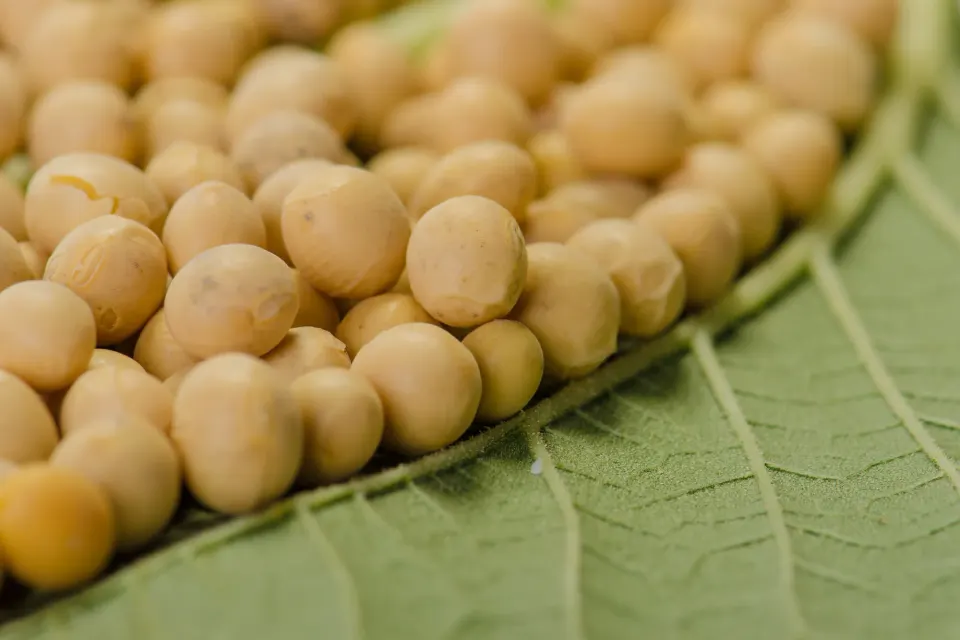
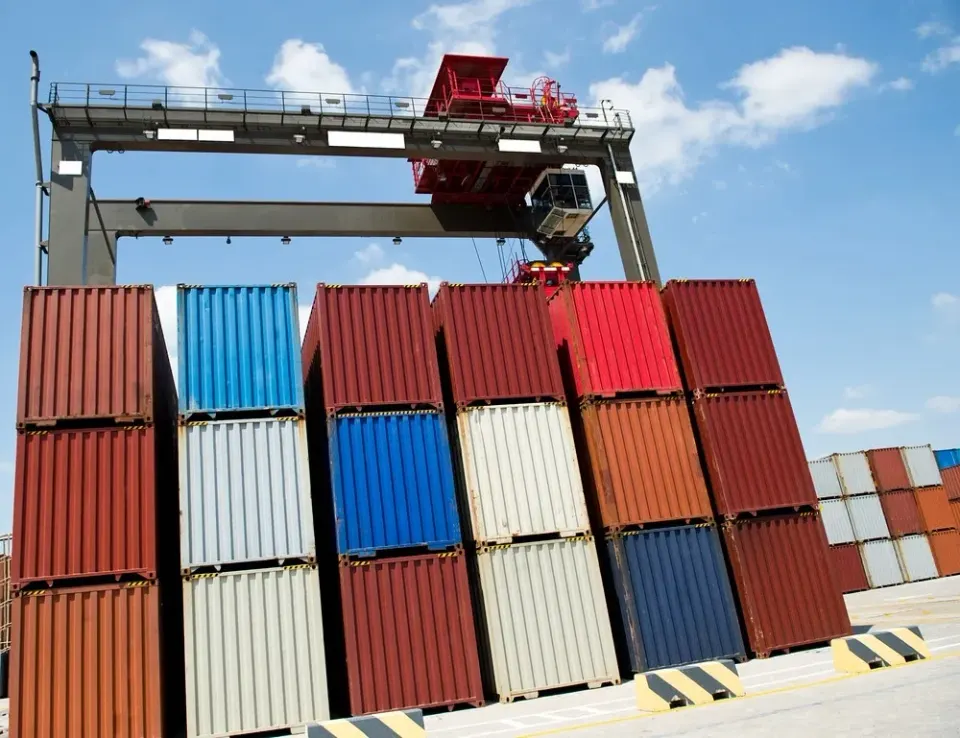
China's soybean purchases are likely to decline in the months ahead as private oilseed crushers grapple with negative crush margins and weakening animal feed demand, with US cargoes facing an additional disadvantage after soybeans were left off the tariff reduction list that followed last week's Washington summit between Chinese President Xi Jinping and US President Donald Trump, according to a report by Reuters cited by The Poultry Site.
While China announced plans to lower tariffs on a broad range of US farm products, soybeans — its largest US agricultural import — were excluded from that relief. US soybeans continue to face an additional 10% tariff stemming from the trade dispute that began last year, making them uneconomical for commercial buyers, according to the report.
Private processors in China, the world's biggest soybean importer, have already covered most of their requirements through the Lunar New Year period in early February with supplies sourced from Brazil, Argentina, and state reserves, traders and crushers told Reuters. A senior executive at a Chinese oilseed processing company said the company had booked shipments from South America for October and much of November and had no appetite for further purchases. "We have booked for all of October and much of November shipments from Brazil and Argentina," the executive said, adding: "Most of these cargoes will arrive around the high demand Chinese New Year period. We are not interested in making further purchases as these will incur losses."
Chinese state-run companies have purchased approximately 13.7 million metric tons of US soybeans currently being harvested, following a trade deal struck between the two countries in May, according to three Asia-based agricultural traders who spoke on condition of anonymity. However, private crushers have taken only South American shipments, the traders said.
Brazilian soybeans were quoted this week at par with US cargoes, excluding tariffs, at around $590 per ton on a cost-and-freight basis, according to the senior Chinese crushing executive and an Asia-based trader. Brazilian beans typically carry a higher oil content, making them more attractive to crushers, they said.
Margins Deep in the Red
Crush margins for soybeans scheduled for November shipment from the US Pacific Northwest and the US Gulf are between 120 yuan ($17.90) and 200 yuan ($29.83) per ton in the red, and approximately minus 120 yuan per ton for Brazilian soybeans, according to Rosa Wang, an analyst at Shanghai JC Intelligence. Crushers in Rizhao, China's main processing hub, were recording a loss of 33.54 yuan per ton on Tuesday, according to LSEG data.
Soybean inventories at 111 Chinese crushing plants reached 7.96 million tons in the week of 25 September, the highest in at least 15 years, according to consultancy Mysteel. At Sinograin's latest auction of imported soybeans, only 37.3% of the 514,000 tons offered were sold, Mysteel data showed, underscoring weak buying appetite.
Chinese buyers booked around 50 soybean cargoes in the first three weeks of September, the fewest in four years, said Eduardo Vanin, senior agriculture strategist at Marex in Curitiba, Brazil. State-run COFCO and Sinograin accounted for about 30 US cargoes, while private buyers booked the remainder from Brazil and Argentina, Vanin said.
Hog Herd Contraction Weighs on Feed Demand
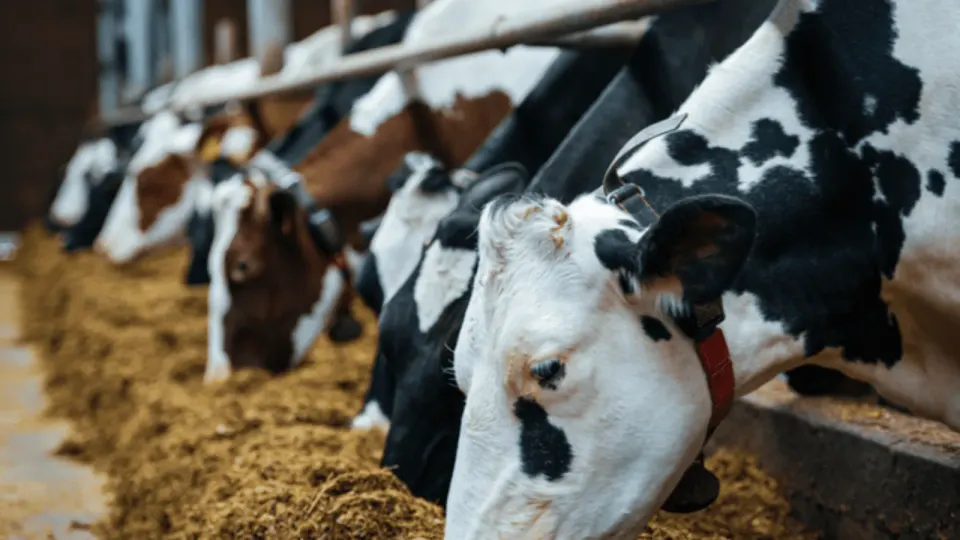
Import demand has also been undermined by softer feed consumption, with sow herds shrinking as the Chinese government pursues efforts to curb overcapacity in the hog industry, the report said. Crushing plants are holding high inventories and anticipating weaker fourth-quarter feed demand as a result.
Johnny Xiang, founder of AgRadar Consulting in Beijing, said a margin recovery would be needed to prompt fresh buying. "Unless margins recover, commercial buyers are unlikely to book more cargoes from overseas," Xiang said. "If supplies tighten, buyers are more likely to turn to reserve auctions or idle plants for maintenance than import more beans."
Benchmark Chicago soybean futures are down 1.5% so far this week, with the market expected to face further pressure as the US harvest approaches its peak alongside reduced Chinese demand, according to the report.
Prepared with AI assistance by Endata and reviewed by the editorial team.