EU Refuses to Renegotiate Ukraine Export Quotas, Citing Balanced Trade Terms
The European Commission has told Ukraine there are no plans to renegotiate its agricultural export quotas, rejecting Kyiv's request for expanded bioethanol access even as Russian strikes continue to damage Ukrainian infrastructure and constrain its exports.

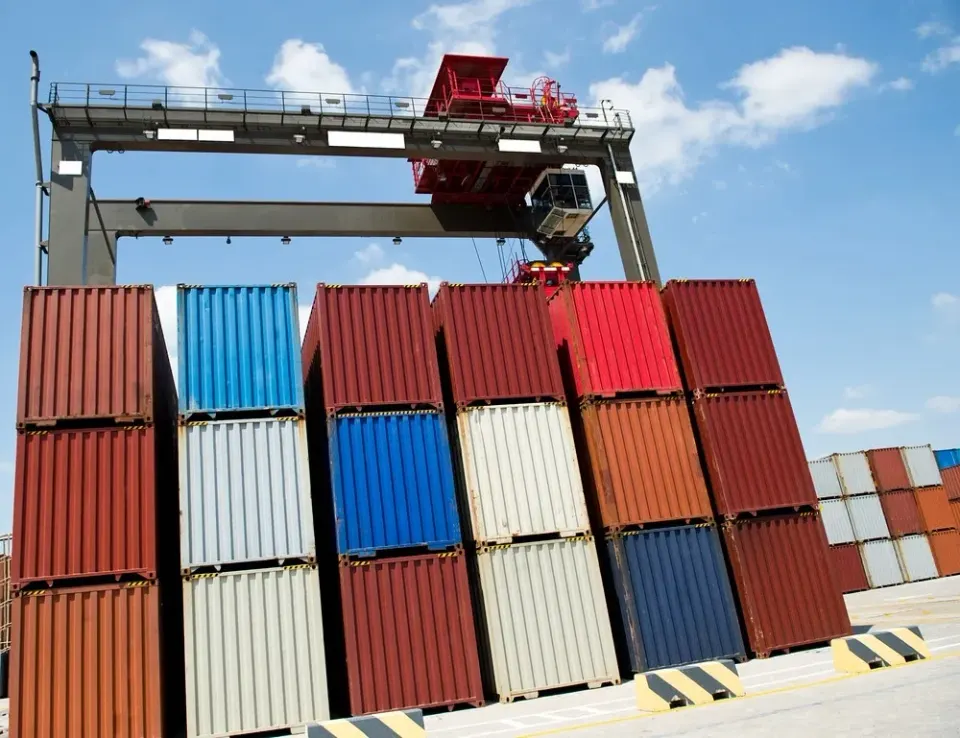
The European Union will not reopen talks on agricultural export quotas with Ukraine, a European Commission spokesperson confirmed on Tuesday, dismissing Kyiv's bid for greater trade access amid ongoing economic pressure from Russian military strikes, according to a report by Reuters.
"We can confirm there are no discussions planned with Ukrainian counterparts to renegotiate export quotas," the Commission spokesperson said in an emailed statement. The spokesperson added that trade data so far "proves the fair and balanced nature" of revised quota volumes under the updated agreement.
Ukraine had sought an increased quota specifically for its bioethanol exports, a product derived from its large-scale grain harvests. The request comes as intensifying Russian attacks have damaged Ukrainian infrastructure and choked exports through the Black Sea, including agricultural trade that is critical to the country's economy.
The EU's current quota regime was introduced last year following protests by European farmers angered by an influx of Ukrainian agricultural goods. The tariff-free and quota-free access originally granted to Ukraine at the start of Russia's full-scale invasion in 2022 had allowed a surge of imports into the bloc. The EU reintroduced quotas for products including wheat, sugar, and eggs in response to that farmer pressure.
According to The Poultry Site, the current quotas adopted last year cut imports of Ukrainian wheat and sugar compared with the quota-free period earlier in the war, though they represented an increase over pre-war quota levels. The quota system extends beyond wheat, sugar, and eggs to also cover poultry, pork, beef, lamb, honey, butter, and processed starch, among other agricultural products — all of which are relevant to global feed ingredient and commodity markets.
The EU's refusal to expand Ukraine's bioethanol quota has implications for feed grain markets, as bioethanol production competes with feed uses of grain and its by-products, such as distillers' dried grains, are used in animal feed formulations. Ukraine remains a significant supplier of feed-grade grains to global markets.
Prepared with AI assistance by Endata and reviewed by the editorial team.