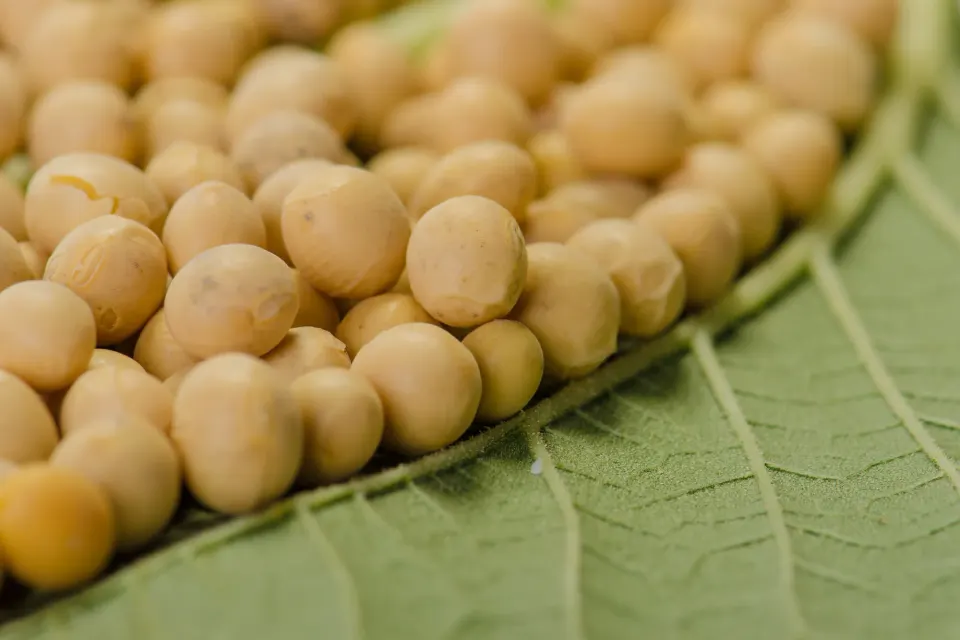
China's soybean import demand is expected to ease in the coming months as private crushers face negative crush margins and weak feed demand linked to shrinking hog herds. Soybeans were excluded from tariff relief announced after the Xi-Trump summit, keeping US cargoes uncompetitive with South American supplies. Domestic inventories at Chinese crushing plants have reached a 15-year high.
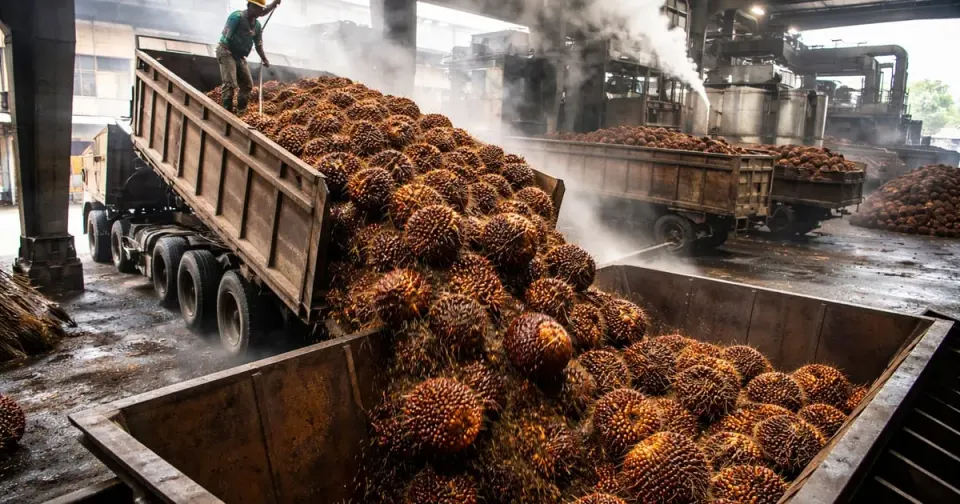
Malaysian palm oil futures fell around 2% on 25 September 2026, hitting their lowest levels since early August, as expectations of rising stocks above 3.1 million tonnes and weak Indian import demand weighed on prices. Analysts warn that El Niño-related yield losses could tighten the global balance in 2027, capping longer-term downside.
Agricultural commodity futures posted sharply divergent results in the week ending 25 September 2026, with November soybeans gaining 15½ cents to $13.19 per bushel and November feeder cattle surging nearly $14, while wheat contracts fell as much as 27¾ cents. China trade developments, harvest-season supply pressure, and commodity-specific fundamentals drove the split outcomes, according to a weekly market analysis published by Ag Bull on 26 September 2026.
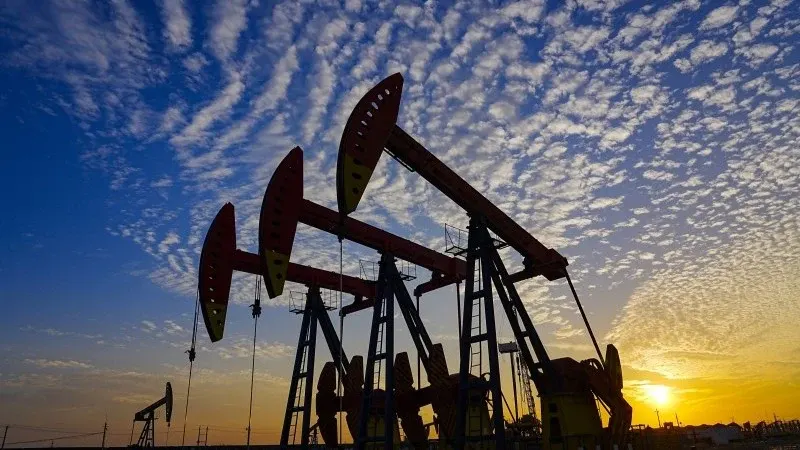
US on-highway diesel hit an all-time record of $6.53 per gallon in the week of 21 September 2026, coinciding with the harvest season. The Trump administration is weighing a range of targeted measures — including dyed-diesel distribution, state tax relief and voluntary refiner concessions — after setting aside a 90-day export ban that energy officials and industry warned would backfire. USDA projects 2026 farm fuel and oil spending at $21.6 billion, up 28.8% from 2025.
A strengthening El Niño event, combined with fertilizer shortages, geopolitical tensions, and elevated energy costs, could push global food and feed commodity prices up by 14–16%, according to procurement consultancy Beroe. Key feed ingredients including corn, vegetable oils, and sugar face varying levels of supply and price risk, with the full market impact potentially not materialising until 2028.
Malaysian palm oil futures fell for a fourth consecutive session on 23 September 2026, with the December Bursa Malaysia contract dropping to MYR 4,768/tonne, as rising inventories, sluggish exports and soft rival markets reinforced a bearish near-term outlook.
MDEX palm oil futures posted modest gains on 23 September 2026, with the nearby October 2026 contract settling at MYR 4,640 per tonne. A gently upward-sloping forward curve reflects competing pressures: elevated Malaysian inventories and soft exports on the bearish side, against Indonesia's imminent B50 biodiesel mandate and drier-than-normal regional weather on the supportive side.
China's state grain reserve operator Sinograin has resumed large-scale soybean auctions, including a tranche of around 543,000 tonnes of 2023–2025 crop beans, in a move analysts say is designed to rotate aging stocks and free silo capacity ahead of potential fresh US arrivals. With China estimated to be roughly halfway toward a 25 MMT US soybean purchase commitment, market participants are closely watching upcoming high-level US–China talks for any signal on tariff relief, which could quickly accelerate buying and tighten US export capacity.
Grain futures moved higher overnight on September 16, 2026, led by a surging soybean meal market that reached a 2.5-year high. Corn, soybeans, and wheat also posted gains, while market participants awaited the Federal Reserve's anticipated interest rate decision. Ongoing heavy rainfall in the Corn Belt, elevated crude oil prices tied to Middle East supply disruptions, and developing U.S.-China trade talks added further context to commodity market moves.
The USDA's September WASDE trimmed 2026/27 US corn ending stocks and slashed production forecasts, while soybean ending stocks edged lower on stronger export demand. Wheat balances were broadly stable. Meanwhile, Saudi Arabia's shutdown of its East-West pipeline and record-high diesel cracks are adding freight and energy cost pressure that feed manufacturers and ingredient traders will need to monitor closely.