USDA Cuts Corn Stocks and Production Forecasts in September WASDE as Energy Disruptions Cloud Feed Cost Outlook
The USDA's September WASDE trimmed 2026/27 US corn ending stocks and slashed production forecasts, while soybean ending stocks edged lower on stronger export demand. Wheat balances were broadly stable. Meanwhile, Saudi Arabia's shutdown of its East-West pipeline and record-high diesel cracks are adding freight and energy cost pressure that feed manufacturers and ingredient traders will need to monitor closely.

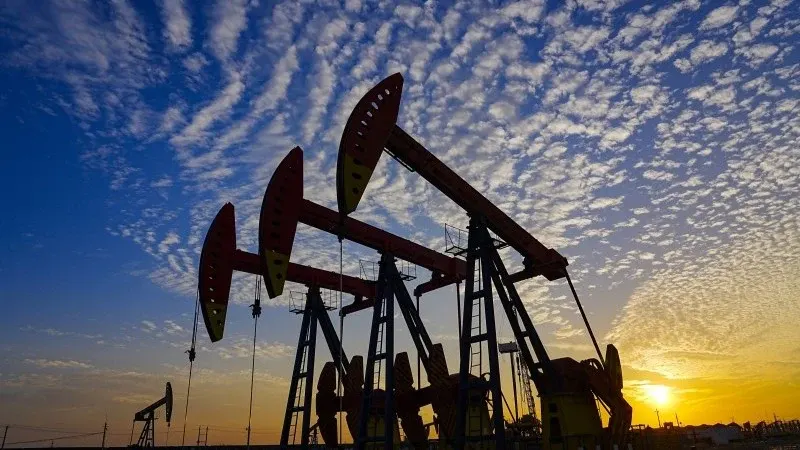
The United States Department of Agriculture (USDA) has lowered its outlook for US corn supplies in the September 2026 World Agricultural Supply and Demand Estimates (WASDE), with analysts at ING flagging the revisions as broadly in line with — but slightly above — market expectations, against a backdrop of tightening energy markets that could amplify input costs across the feed supply chain.
Corn: Stocks and Production Cut
The USDA trimmed its 2026/27 US corn ending stocks estimate by 86 million bushels to 1.57 billion bushels, driven by weaker production and lower beginning inventories. The revised figure remains above the market consensus of 1.51 billion bushels. US corn production for 2026/27 was cut by 213 million bushels to 15.8 billion bushels, reflecting lower projected yields.
At the global level, the USDA reduced its 2026/27 corn ending stocks estimate by 2.6 million metric tonnes to 272.1 million metric tonnes, a revision described by ING as broadly in line with market expectations. World corn production was revised down by 7.9 million metric tonnes to 1,291 million metric tonnes, with lower crop forecasts for India, Kenya, and Russia cited as the primary drivers.
Soybeans: Larger Crop, But Tighter Stocks
On soybeans, the USDA raised its 2026/27 US production forecast to 4,535 million bushels from 4,519 million bushels, reflecting a modest increase in harvested acreage — a revision that exceeded market expectations. Despite the larger crop, US ending stocks were lowered by 10 million bushels to 310 million bushels, as export demand was revised upward. Export forecasts were raised by 25 million bushels to 1,685 million bushels. For the global balance, changes were minimal, with 2026/27 world ending stocks trimmed marginally to 124 million metric tonnes from 124.2 million metric tonnes.
Wheat: Domestic Stocks Held, Global Inventories Rise
The USDA left its 2026/27 US wheat ending stocks estimate unchanged at 717 million bushels, with production and demand estimates also held steady at 1,531 million bushels and 1,099 million bushels respectively. Globally, the agency raised its 2026/27 world wheat inventory estimate to 276.3 million metric tonnes from 273.3 million metric tonnes, with higher ending stocks recorded for Russia, Australia, and Ukraine. The ING analysts noted that disruptions to Black Sea exports are expected to result in inventory builds in both Russia and Ukraine. Global wheat production was revised up to 822.4 million metric tonnes from 819.3 million metric tonnes, driven by increased supplies from Australia (+3 million metric tonnes), Canada (+1 million metric tonnes), and Ukraine (+0.6 million metric tonnes).
Energy Disruptions Add Freight and Cost Risk
Feed manufacturers and ingredient traders face an additional risk factor from escalating energy market disruptions. ICE Brent crude was trading around 3% higher on the morning of 14 September, following Saudi Arabia's shutdown of its East-West pipeline — a 7 million barrel-per-day facility described by ING as a vital bypass route for Saudi oil exports during disruptions through the Strait of Hormuz. The severity of any damage and the likely duration of the outage remain unclear.
Middle distillate markets, which directly affect diesel costs for feed transport and manufacturing, are at particular stress. The ICE gasoil crack was trading at approximately $84 per barrel on 14 September, described by ING as fresh record highs, while US diesel cracks had broken above $110 per barrel. Russia's ban on diesel exports, in place since July and extended twice, was set to expire at the end of September, though ING noted the potential for further extensions.
A meeting between Gulf states — including Iran — that had been scheduled for 14 September in Oman to discuss managing the Strait of Hormuz was postponed due to a lack of consensus, pushing de-escalation prospects further out.
The International Energy Agency (IEA), in its monthly oil market report published the previous Friday, cut its global oil demand forecast for 2026 by a further 940,000 barrels per day, now projecting a year-on-year decline of 2.5 million barrels per day. For 2027, the IEA expects demand to recover, growing by 2.6 million barrels per day year-on-year.
ING's base case remains Brent crude averaging $80 per barrel in the fourth quarter of 2026, though the bank acknowledged the recent escalation "poses risks to our forecast, pushing us closer to our more pessimistic scenario."
Prepared with AI assistance and reviewed by the editorial team.