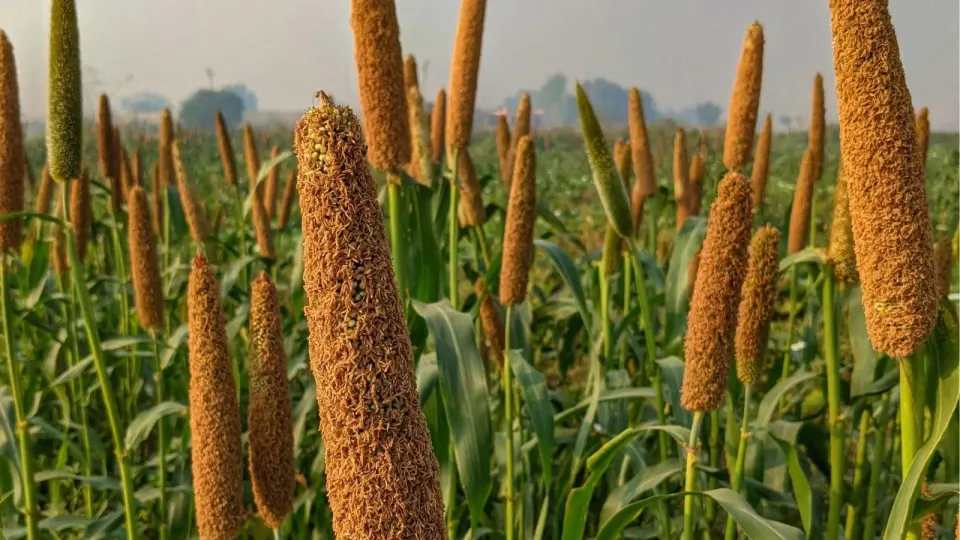
The Philippine Department of Agriculture is assessing millet as an alternative feed ingredient to corn, prompted by El Niño-related drought risks and a drive to lower livestock production costs, following Agriculture Secretary Francisco P. Tiu Laurel Jr.'s visit to India where the crop is widely used.
The U.S. Grains & BioProducts Council escorted a Mexican buying group representing the dairy, cattle, swine, poultry and white corn sectors on a tour of Iowa, Nebraska and Kansas in early September 2026 to develop direct sourcing relationships with cooperatives, elevators and rail stakeholders. The group collectively purchases around 400,000 metric tons of U.S. corn and 80,000 metric tons of DDGS annually.
Argentina's bumper 2025/26 corn harvest of roughly 71.7 million tonnes is driving record export volumes to North Africa, displacing Ukrainian and EU supplies constrained by Black Sea disruptions and drought. Morocco, Egypt, and Algeria have all sharply increased purchases from Argentina in the first seven months of 2026, while Brazil's expanding ethanol sector is further tightening global export availability.
The U.S. Grains & BioProducts Council has released an evidence-based factsheet asserting that U.S. corn delivers higher yields, lower greenhouse gas emissions, faster processing times, and better feed conversion rates than corn from other major producing countries, with estimated financial benefits for wet millers and broiler producers.
The Rural Mainstreet Index fell to 44.7 in September 2026, slipping back below the growth-neutral threshold of 50.0 for the fourth time in six months, as rising fertiliser and fuel costs outweighed optimism from higher grain prices, according to Creighton University's monthly survey of rural bank CEOs.
CBOT soybean futures fell for the week ending 18 September 2026, weighed down by the onset of U.S. harvest and softness in vegetable oil markets, while firm soymeal prices, robust Chinese export demand, and harvest-delaying Midwest rains capped the downside. Regional FOB prices showed a mixed picture, with Ukrainian standard soybeans easing and GMO-free values edging higher.
Ukrainian soybean prices at Odesa are softening modestly as alternative Black Sea export routes inch toward greater capacity, now handling around 40% of normal agricultural volumes, while seasonal harvest pressure adds fresh supply into a still-constrained logistics system.
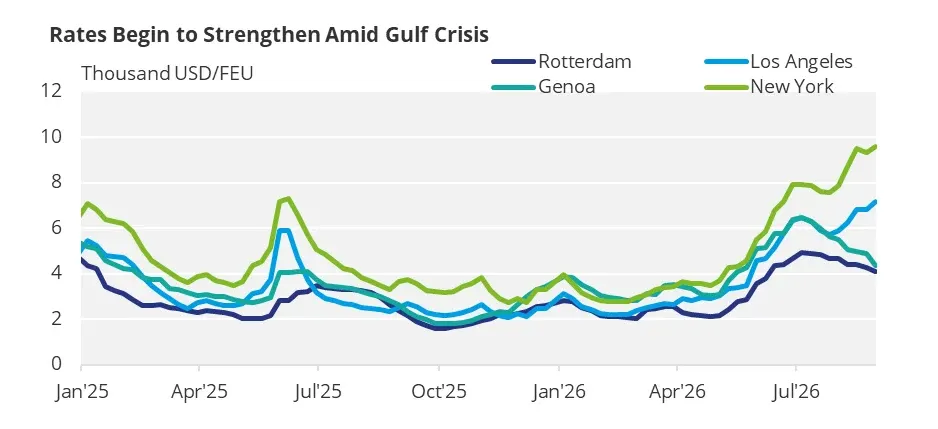
A rapidly intensifying El Niño is tightening water levels at the Panama Canal and prompting precautionary draft restrictions, according to an analysis by agribusiness consultant Alê Delara published by CZ App on 17 September 2026. The weather event could raise US Gulf-to-Asia shipping costs, eroding US soybean and corn competitiveness and redirecting Asian demand toward Brazil — but the same climate risks that could lift Brazilian export premiums also threaten its domestic harvest and push up farm input costs.
U.S. corn and soybean futures rebounded on Monday, 14 September 2026, driven by technical buying and strong export inspection data, while wheat futures moved lower amid persistent demand pressure. December corn settled at $5.3325 per bushel and November soybeans reached $13.0425, with weekly soybean export inspections surging nearly 45% above the prior week and exceeding analyst forecasts. Wheat remained under pressure as cumulative 2026/27 inspections tracked roughly 28% below last year's pace.
The USDA's September WASDE trimmed 2026/27 US corn ending stocks and slashed production forecasts, while soybean ending stocks edged lower on stronger export demand. Wheat balances were broadly stable. Meanwhile, Saudi Arabia's shutdown of its East-West pipeline and record-high diesel cracks are adding freight and energy cost pressure that feed manufacturers and ingredient traders will need to monitor closely.