Mexican Corn and DDGS Buying Group Tours U.S. Corn Belt to Build Direct Sourcing Ties
The U.S. Grains & BioProducts Council escorted a Mexican buying group representing the dairy, cattle, swine, poultry and white corn sectors on a tour of Iowa, Nebraska and Kansas in early September 2026 to develop direct sourcing relationships with cooperatives, elevators and rail stakeholders. The group collectively purchases around 400,000 metric tons of U.S. corn and 80,000 metric tons of DDGS annually.

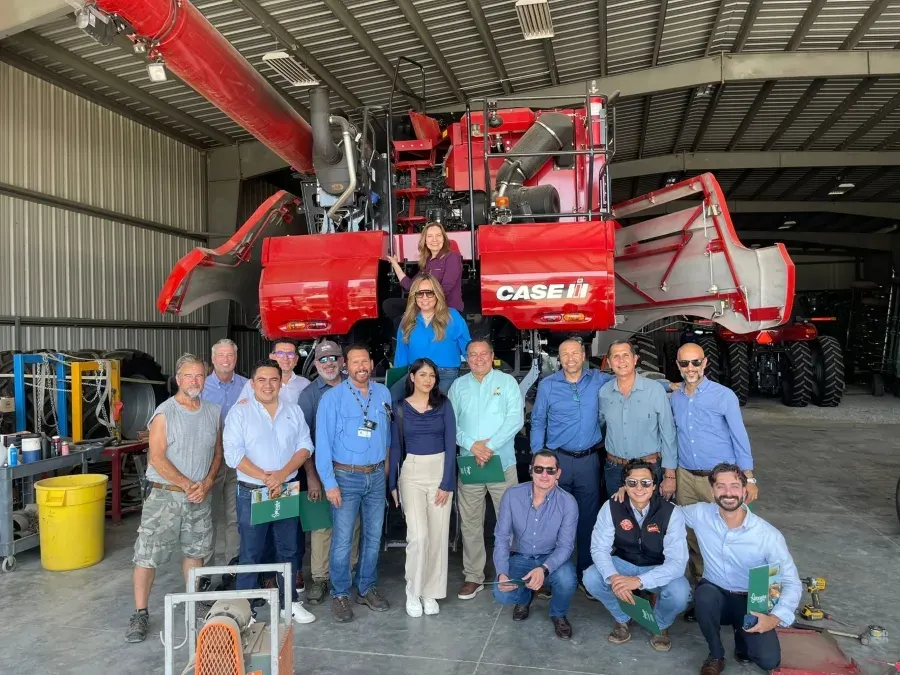
The U.S. Grains & BioProducts Council (USGBC) escorted a Mexican corn and distiller's dried grains with solubles (DDGS) buying group on a multi-state tour of the U.S. Corn Belt earlier in September 2026, with the aim of deepening direct sourcing relationships between Mexican importers and U.S. grain suppliers.
USGBC Senior Marketing Specialist Javier Chávez led the delegation, which comprised representatives from Mexico's dairy, cattle, swine, poultry and white corn industries, through Iowa, Nebraska and Kansas. According to the USGBC, the group collectively purchases approximately 400,000 metric tons (15.7 million bushels) of U.S. corn and 80,000 metric tons of U.S. DDGS each year.
In Iowa, the delegation met with two grower cooperatives to establish long-term business relationships. The group then travelled to Nebraska, where it met with two additional cooperatives, toured a local farm to observe current crop conditions, and visited a major railway stakeholder to learn about rail logistics at the U.S.–Mexico border. The Nebraska visit included a tour of Nebraska Corn Board District One Representative Dan Nerud's farm in Southeast Nebraska.
The tour concluded in Kansas, where participants visited a major agricultural cooperative, a grain elevator and two farms to observe the corn harvest process. A meeting with a rail company and the U.S. Federal Grain Inspection Service (FGIS) provided information on U.S. grain infrastructure and quality assurance systems.
Chávez said supplier diversification was a key objective of the programme. "Expanding supplier diversification to meet participants' needs was a priority for the program and improved networking and connectivity between cooperatives, elevators and other stakeholders in the U.S. corn value chain," he said.
The USGBC said the buying group has enabled it to reach additional companies through participating representatives, and that future programmes are planned to connect purchasers with merchandisers and cooperatives, tour feedlots and engage with rail logistics leaders. "Demonstrating the consistency and reliability of U.S. corn and its co-products throughout the export chain defends and expands U.S. growers' market share with their largest customer to keep grain flowing," Chávez said.
Prepared with AI assistance and reviewed by the editorial team.