Philippines explores millet as drought-resilient alternative to corn in livestock feed
The Philippine Department of Agriculture is assessing millet as an alternative feed ingredient to corn, prompted by El Niño-related drought risks and a drive to lower livestock production costs, following Agriculture Secretary Francisco P. Tiu Laurel Jr.'s visit to India where the crop is widely used.

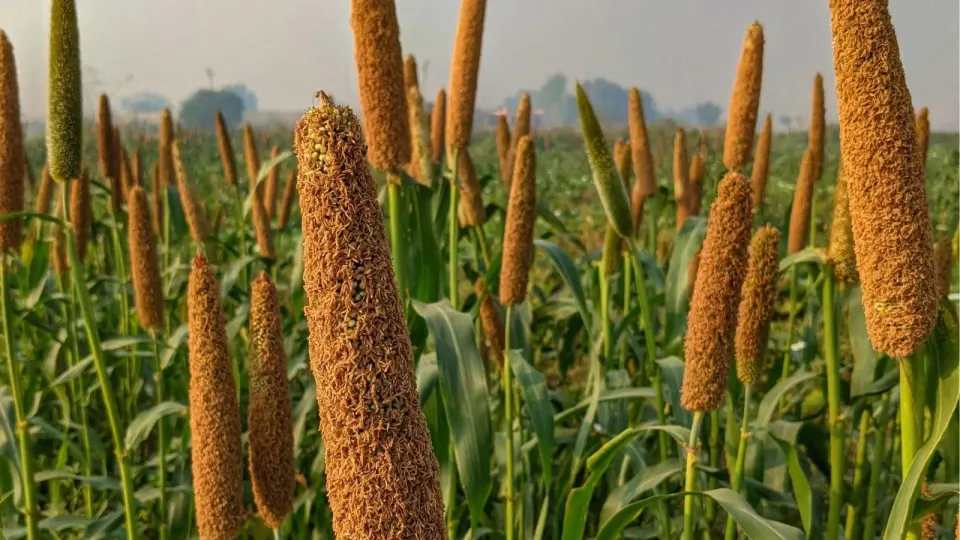
The Philippine Department of Agriculture (DA) is exploring millet as an alternative to corn in animal feed formulations, as the country braces for drought conditions linked to an ongoing El Niño event and seeks to reduce input costs for livestock producers and feed manufacturers.
Agriculture Secretary Francisco P. Tiu Laurel Jr. examined millet and other feed ingredients during a recent visit to India, where the drought-tolerant crop is widely used. The DA is assessing whether India's experience could provide lessons for Philippine livestock producers, according to Feed Business Middle East & Africa.
The Philippine Atmospheric, Geophysical and Astronomical Services Administration (PAGASA) has said that moderate to strong El Niño is currently present and is expected to continue into the first half of 2027, with the possibility of reaching a very strong state before the end of 2026. The agency noted the event is increasing the likelihood of below-normal rainfall, dry spells, and drought in parts of the country.
Corn is a major feed ingredient in the Philippines, and supply disruptions can increase input costs for livestock farmers and feed manufacturers. The DA said alternative feed sources could give the industry greater flexibility and reduce exposure to weather-driven supply disruptions. Millet generally requires less water than corn and can grow under relatively dry conditions, making it a potential alternative when drought affects conventional feed crops.
Tiu Laurel framed the initiative in terms of supply-chain resilience. "When communities can grow, process, and mill their own feed, we lower costs, raise productivity, and make our food system more resilient," he said, as quoted by the publication.
The DA reconvened its El Niño task force in May 2026 to coordinate preparations for a potentially severe episode, and has been preparing for expected effects throughout the year, including measures aimed at protecting agricultural production and encouraging less water-dependent crops.
The millet push also aligns with broader government ambitions to expand the country's carabao and dairy industries, increasing the need for reliable and affordable feed supplies. Earlier in 2026, the DA launched a village-based feed initiative designed to link corn production, post-harvest processing, feed milling, and total mixed ration preparation under farmer-led enterprises.
However, Feed Business Middle East & Africa noted that wider adoption of millet would depend on its suitability for livestock diets and the economics of production and processing. Yield, nutritional value, availability, and feed manufacturing requirements will all influence whether it can become a commercially viable alternative to corn.
Prepared with AI assistance and reviewed by the editorial team.