U.S. grain futures on September 25, 2026 finished near session highs after early selling pressure gave way to a recovery driven by a weaker dollar and trade-deal optimism. December corn edged up fractionally, November soybeans posted weekly gains on news of a U.S.-China trade subset agreement, while wheat futures ended the week lower amid a sustained price downtrend. Persistent Midwest rains are delaying harvest and tightening soybean supplies at processors.
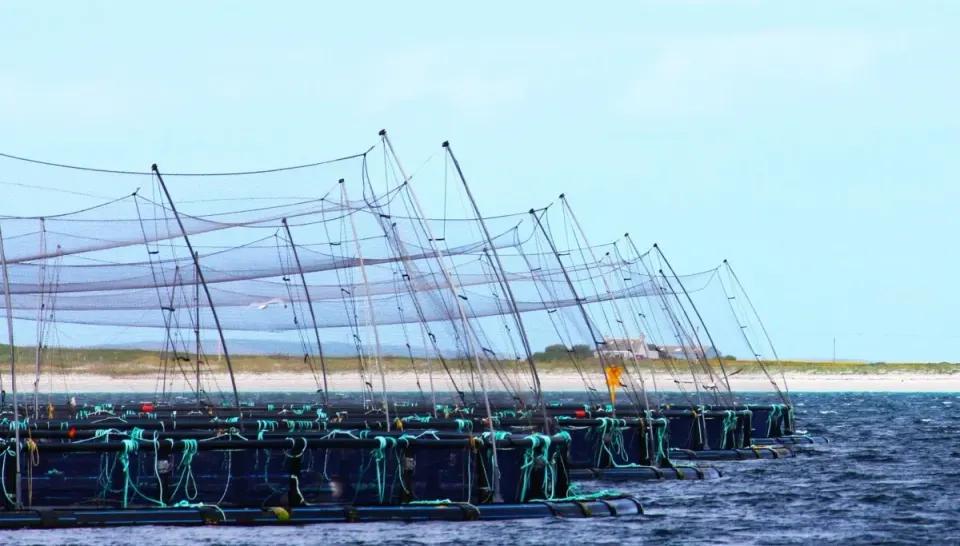
Scottish salmon farmer Cooke Scotland reported a 49% fall in net profit to £6.1 million in 2025, down from £12 million in 2024, as a decline in salmon prices more than offset higher sales volumes. Its parent, Cooke Aquaculture UK Holdings, saw an even steeper 60% profit decline. Feed costs and fuel remain key risk factors cited by directors in the annual report.
Immigration enforcement operations in Kansas, Oklahoma and Texas have cut federally inspected cattle slaughter by more than 31,000 head versus the prior week through Thursday, September 25, 2026, with the Kansas Livestock Association, Oklahoma Cattlemen's Association and Texas Cattle Feeders Association warning of millions of dollars in lost revenue and delays to fed cattle deliveries. The disruption is affecting feedyards, processing plants, feed and grain businesses and transport operations across a region that accounts for roughly 22% of the nation's grain-fed beef supply.
The U.S. Grains & BioProducts Council escorted a 19-member South Korean feed and food corn buyer delegation on a multi-state tour of the U.S. corn export chain in September 2026, covering farms, ethanol facilities, grain handling sites and Pacific Northwest export terminals, as U.S. corn holds more than 80% of South Korea's import market so far this year.
A strengthening El Niño event, combined with fertilizer shortages, geopolitical tensions, and elevated energy costs, could push global food and feed commodity prices up by 14–16%, according to procurement consultancy Beroe. Key feed ingredients including corn, vegetable oils, and sugar face varying levels of supply and price risk, with the full market impact potentially not materialising until 2028.
CBOT soybean futures eased modestly on 23 September 2026, with soybean oil leading declines and meal outperforming, as traders consolidated recent gains ahead of a key U.S.–China diplomatic summit. Ukrainian FOB prices slipped while basis held firm on below-average yields and Black Sea risk. China's August soybean imports remained historically large but showed a 12% year-on-year drop from the U.S., highlighting continued origin diversification. Early South American planting began under a wetter pattern, introducing mild bearish signals for new-crop supply.
Wageningen University & Research has launched the six-year VASCO project with almost €4 million in funding to convert protein-rich agricultural side streams — including rapeseed cake, potato waste and rejected legumes — currently used as animal feed or for biofuel into ingredients for human consumption. Fermentation and enzyme-assisted protein extraction are the two core processing routes.
Corn futures pulled back toward technical support on September 23, 2026, erasing Monday's gains, while a USDA daily export sale to Mexico, a high-stakes Xi-Trump summit in Washington, a proposed U.S. diesel export ban, and a projected 70% surge in global biofuel output by 2030 combined to create a complex backdrop for feed-grain and oilseed markets.
Philippine corn production is projected to fall 14.4% to 2.08 million tonnes following typhoon damage, with El Niño conditions forecast to intensify into late 2026. The supply squeeze is accelerating feed-industry interest in drought-tolerant millet as a partial corn substitute, while European and Black Sea export prices remain broadly stable.
A series of typhoons in the Philippines has reduced July–September 2026 corn production by an estimated 14.4%, tightening regional feed grain availability and pushing up input cost risk for Southeast Asian feed manufacturers. CBOT December 2026 corn futures are trading around 529 USc/bu, while buyers consider alternative grains including millet.
Italy's soft wheat flour exports rose nearly 15% year on year in the first half of 2026, with the United States becoming the largest buyer after a 38% surge in imports, even as Black Sea wheat prices remain subdued and global grain benchmarks stay under pressure.
Tunisia's state grains agency has purchased around 125,000 tonnes of soft wheat at $311.72–314.23/tonne C&F for October–December shipment, setting a clear pricing floor for Mediterranean destinations and limiting near-term downside for Black Sea and EU export origins.