WUR secures nearly €4 million to redirect rapeseed, potato and pulse side streams from animal feed into human food ingredients
Wageningen University & Research has launched the six-year VASCO project with almost €4 million in funding to convert protein-rich agricultural side streams — including rapeseed cake, potato waste and rejected legumes — currently used as animal feed or for biofuel into ingredients for human consumption. Fermentation and enzyme-assisted protein extraction are the two core processing routes.

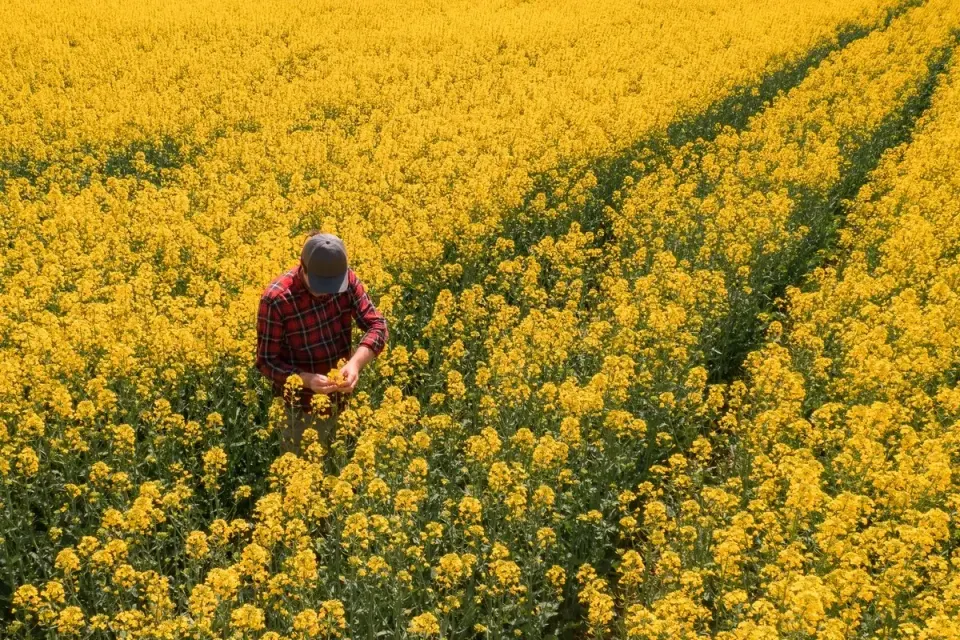
Wageningen University & Research (WUR) in the Netherlands has secured almost €4 million (approximately US$4.6 million) to transform protein-rich rapeseed, potato and pulse side streams into ingredients and foods for human consumption, according to Food Ingredients First, which reported the announcement on 22 September 2026.
The six-year project — Valorizing Agricultural Crop Side Streams into Consumer Foods (VASCO) — will harness two technologies, either separately or in combination: protein extraction and fermentation. Researchers aim to develop market-oriented products including plant-based and hybrid meat products, spreads and fermented foods.
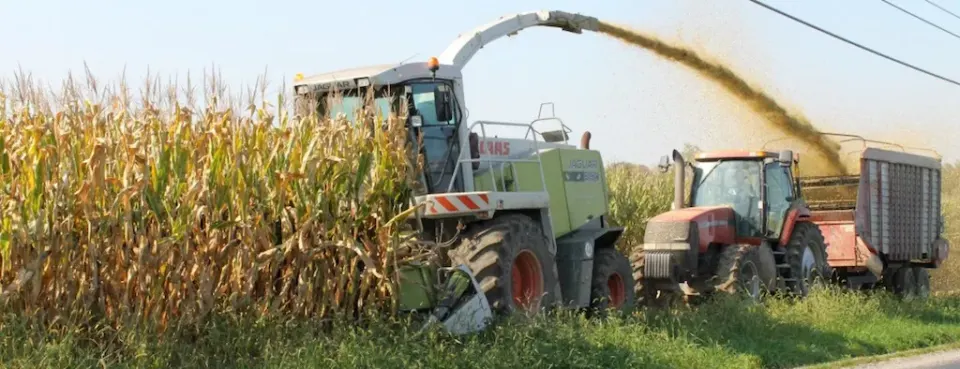
The source materials are crop by-products that are currently routed to lower-value uses. According to WUR, the research team will use protein-rich agricultural side streams that are currently used as animal feed or for biofuel production, which have "relatively low economic values compared to consumer foods." Rapeseed cake alone is noted as containing around 30% protein but is rarely used for human consumption.
Dr. Heidy den Besten, professor of Ecology of Food Pathogens at WUR, told Food Ingredients First that VASCO aims to unlock the potential of such plant-based side streams to create "consumer-appealing" food products, while also being nutritious and enhancing the sustainability of the food system. She added that the resulting proteins could appeal to manufacturers looking for "sustainably produced, protein-rich ingredients," including companies working with snacks, biscuits and other low-moisture foods.
On the processing side, Den Besten described the project's two technological routes as "a safe-by-design bioconversion process by microbial fermentation and an enzyme-assisted fractionation process to extract functional ingredients from side streams." She noted that fermentative microorganisms are "potent enzyme producers," which could soften side streams and produce taste-active compounds. Microorganisms can also remove antinutritional factors such as glucosinolates and phytic acid, and certain bacteria can produce vitamins including B12 and K2.
Methods such as dry fractionation and fermentation offer environmental advantages as they are "relatively low in energy compared to conventional wet fractionation," Den Besten explained. However, she clarified that both methods "have not been applied yet to the selected side streams: rapeseed cake, potato stems and piece waste, and rejected legumes (rejection to color and/or shape)."
WUR said it will also explore using potato side streams to grow protein-rich fungi as food ingredients, producing fermented products similar to tempeh. The consortium intends to involve consumers early in product development to gauge commercial appeal, and Den Besten said the project could serve as a blueprint for other supply chains if successful.
The VASCO project is relevant to the feed industry because it explicitly targets materials currently consumed by the animal feed sector — rapeseed cake and rejected legumes among them — for redirection into higher-value human food applications. Increased competition from food-grade valorization pathways could affect the availability and pricing of these ingredients in feed markets over time.
Prepared with AI assistance and reviewed by the editorial team.