Scotmin Nutrition Launches LithoNutri Marine-Derived Rumen Buffer for UK Dairy and Beef Cattle
Scotmin Nutrition, part of the Fevara plc portfolio, has launched LithoNutri, a natural marine-derived rumen buffer produced from calcified red marine algae, targeting improved rumen pH stability and reduced risk of sub-acute rumen acidosis in UK dairy and beef cattle.

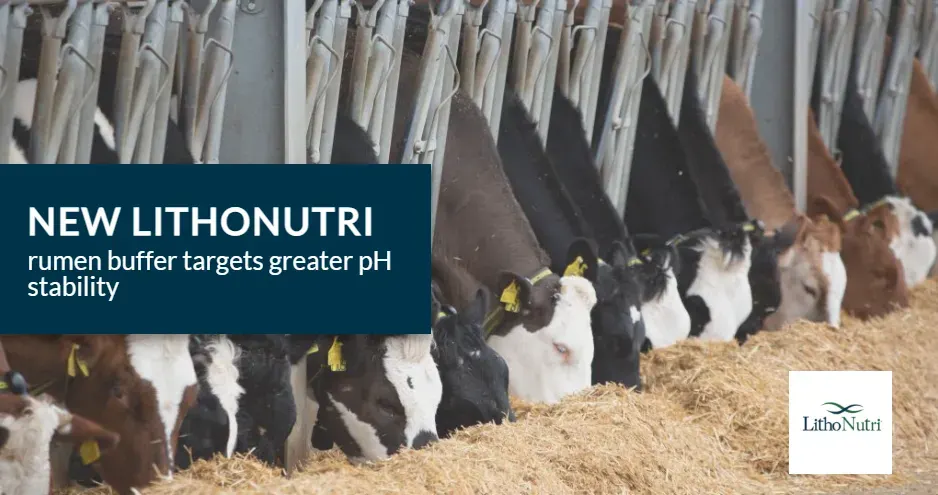
Scotmin Nutrition has launched LithoNutri, a natural marine-derived rumen buffer aimed at UK dairy and beef producers, with the product targeting more consistent rumen pH management and a reduced risk of sub-acute rumen acidosis (SARA).
LithoNutri is produced from Lithothamnium, a type of calcified red marine algae, and is available through Scotmin Nutrition, which is part of the Fevara plc portfolio. The company says the product's naturally porous honeycomb microstructure provides a large internal surface area that supports gradual dissolution and sustained buffering activity.
Richard Wynn, Head of Global R&D at Fevara, said the key differentiator is not simply whether the product can buffer acidity, but how effectively and consistently it supports rumen pH. "Keeping pH steady helps to optimise the rumen environment, helping producers enhance cattle performance while reducing the risk of SARA," he said.
According to Wynn, SARA is a particular risk in cattle being fed high-concentrate rations, where grass silage is highly acidic, or where feeding management means animals cannot eat little and often. He stated that "LithoNutri buffers pH within a tighter working range than we've seen with other products, suggesting greater benefit for feed digestion within the rumen."
The company attributes the product's buffering performance to its composition: LithoNutri is described as naturally rich in several different forms of calcium carbonate. Wynn explained that "as acidity increases, the carbonate ions absorb the hydrogen ions, helping reduce acid build-up," and that "the surface area and permeability of the honeycomb structure help the product dissolve gradually, offering sustained buffering activity, unlike sodium carbonate buffers, where the effect dwindles."
A more stable rumen pH is said to provide fibre-digesting microbes with better conditions to work, which the company says helps cattle make more from the feed they consume.
Dairy and beef applications
For dairy producers, Scotmin points to published research on marine algae buffers showing improvements in energy-corrected milk yield and butterfat content, reflecting better fibre digestion. The cited study is a comparison of marine algae-based rumen buffer with sodium bicarbonate buffer published in the Journal of Dairy Research in July 2024.
For beef cattle on high-starch finishing diets — where SARA risk is elevated — the company says work with LithoNutri has demonstrated increased digestibility of dry matter, NDF, starch, and crude protein, citing internal Oceana LithoNutri beef research.
Complementary use with Biosprint live yeast
Scotmin also notes that LithoNutri can be fed alongside Biosprint, Fevara's live yeast product. Wynn described the combination as targeting two distinct aspects of rumen function: "LithoNutri helps manage the 'chemistry' of the rumen by helping buffer acid production and supporting a steadier pH when diets, or feeding management, place pressure on the rumen," while "Biosprint aids the microbiological aspect of rumen fermentation, supporting and promoting the fibre-digesting microbes."
All performance claims originate from Scotmin Nutrition and Fevara, and no independent verification of the product's efficacy in commercial settings has been cited beyond the referenced journal study and internal beef research.
Prepared with AI assistance and reviewed by the editorial team.