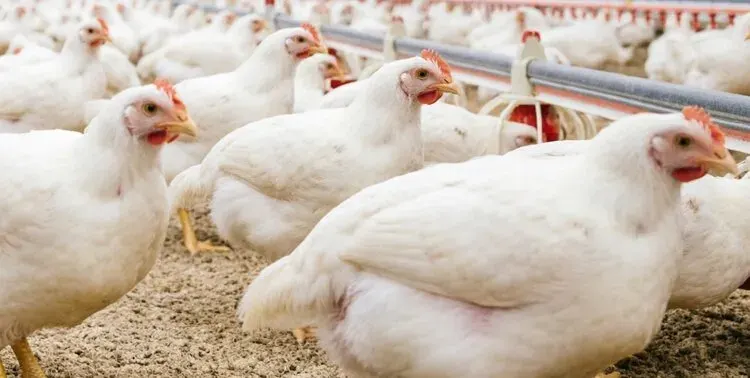
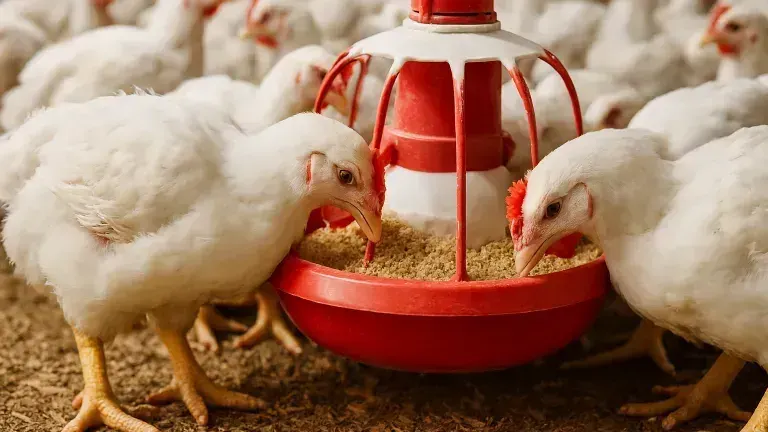
A Chinese study published in September 2026 reports that single-cell protein derived from the bacterium Ralstonia eutropha H16 can substitute soybean meal in broiler chicken diets at inclusion levels up to 8%, maintaining growth performance while improving antioxidant capacity, immune status, and gut health.
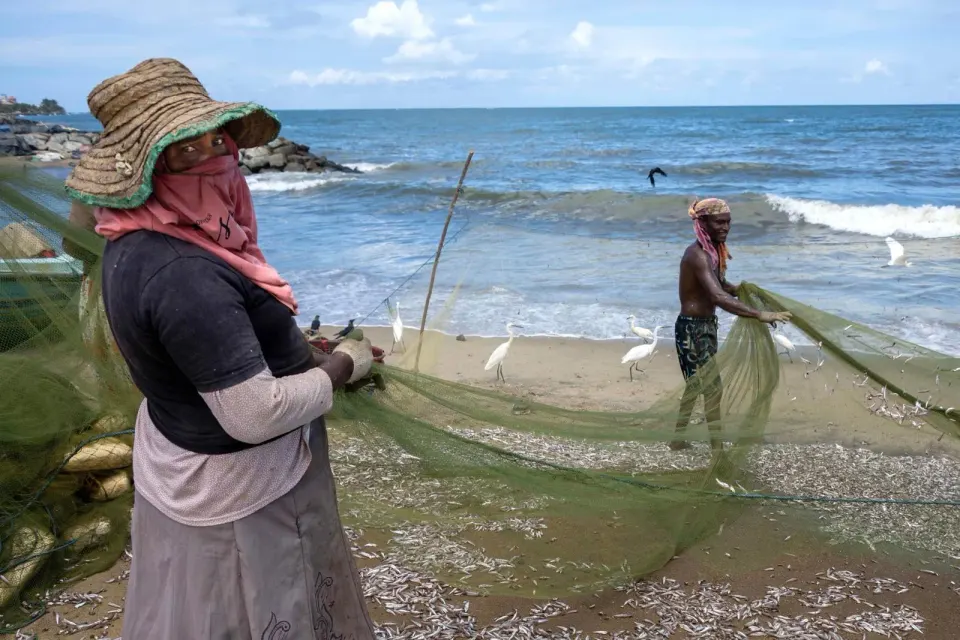
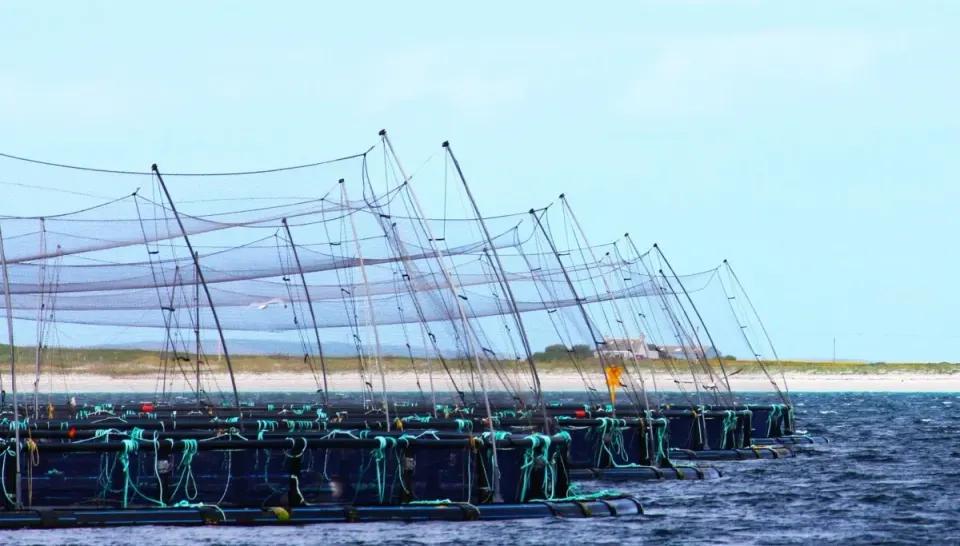
A report by the Changing Markets Foundation, produced with University of British Columbia researchers, warns that wild-caught fish used for aquaculture feed could rise sharply by 2040 if growth concentrates in carnivorous species such as salmon, shrimp, sea bream and sea bass. The FAO has disputed the interpretation of a 75% growth figure cited in the report, and the findings have sharpened debate over species choice, feed composition, and the impact on small-scale fishing communities.
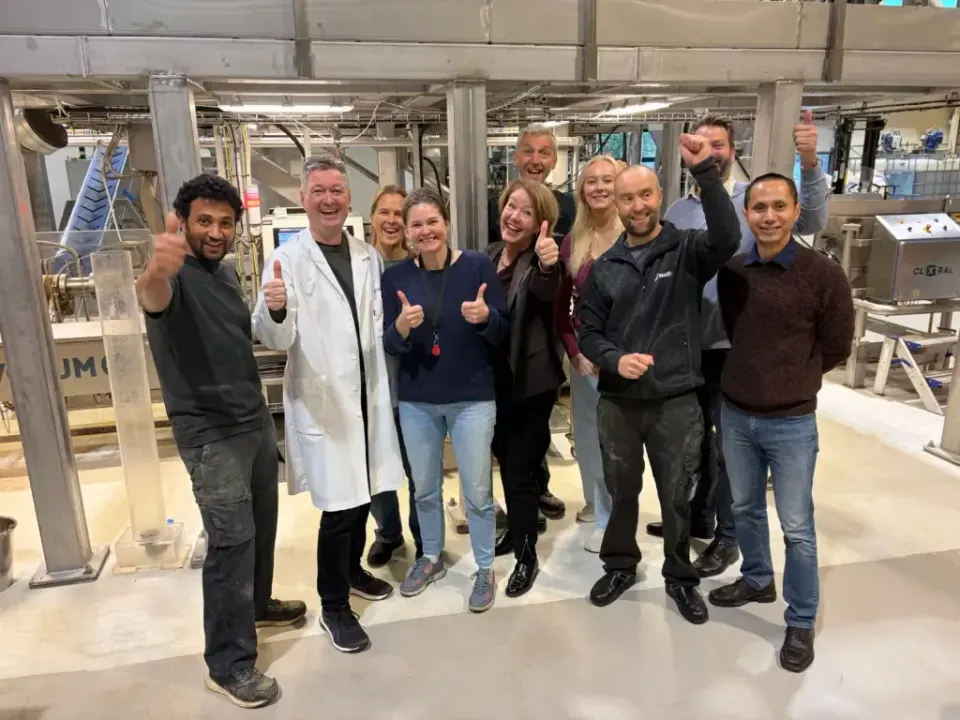
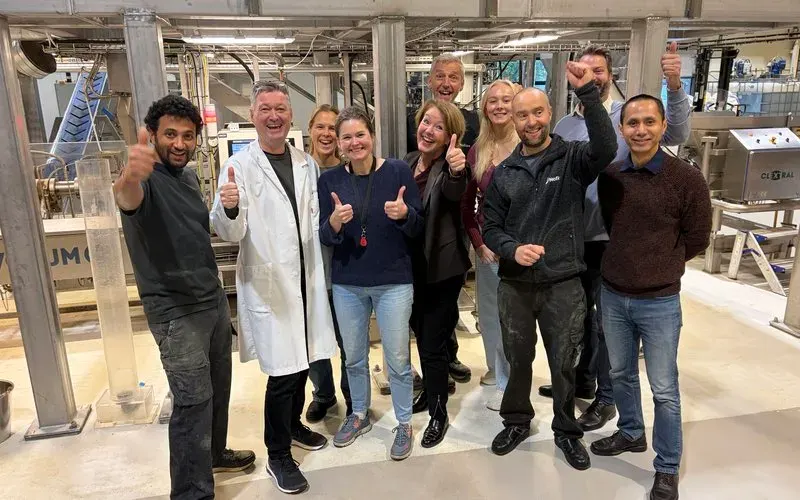
The Research Council of Norway has awarded NOK 1.24 billion (€110 million) across 18 projects to strengthen national research infrastructure, with Nofima's Aquafeed Technology Centre among the recipients. The funding will support Phase II of the centre, expanding Norway's capacity to develop and test aquafeed raw materials and ingredients.
An article published in The Poultry Punch warns that mycotoxin-induced liver and kidney damage can prevent poultry from converting dietary Vitamin D₃ into its biologically active form, resulting in functional deficiency even when feed is adequately supplemented. The piece also profiles a plant-derived bioactive Vitamin D supplement, Avitriol, claimed to bypass the affected conversion pathway.
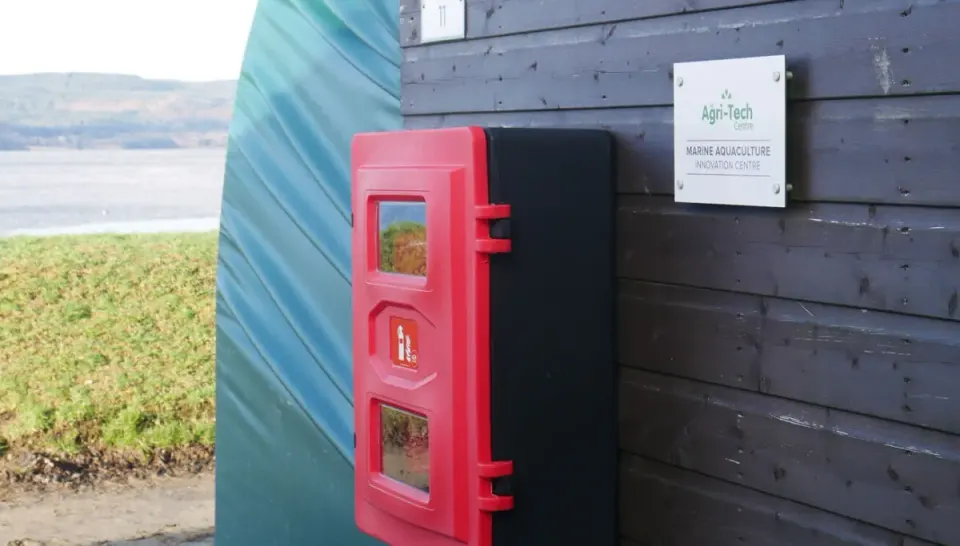
The UK Agri-Tech Centre has begun a formal redundancy consultation affecting up to 80 staff as it shifts strategy away from direct testing and towards a partner-led model, while insisting aquaculture remains central to its plans. The future of its co-owned Marine Aquaculture Innovation Centre (MAIC) at Otter Ferry Seafish in Argyll is under review, though Otter Ferry's managing director expects the facility to continue operating normally.
Scottish salmon farmer Cooke Scotland reported a 49% fall in net profit to £6.1 million in 2025, down from £12 million in 2024, as a decline in salmon prices more than offset higher sales volumes. Its parent, Cooke Aquaculture UK Holdings, saw an even steeper 60% profit decline. Feed costs and fuel remain key risk factors cited by directors in the annual report.
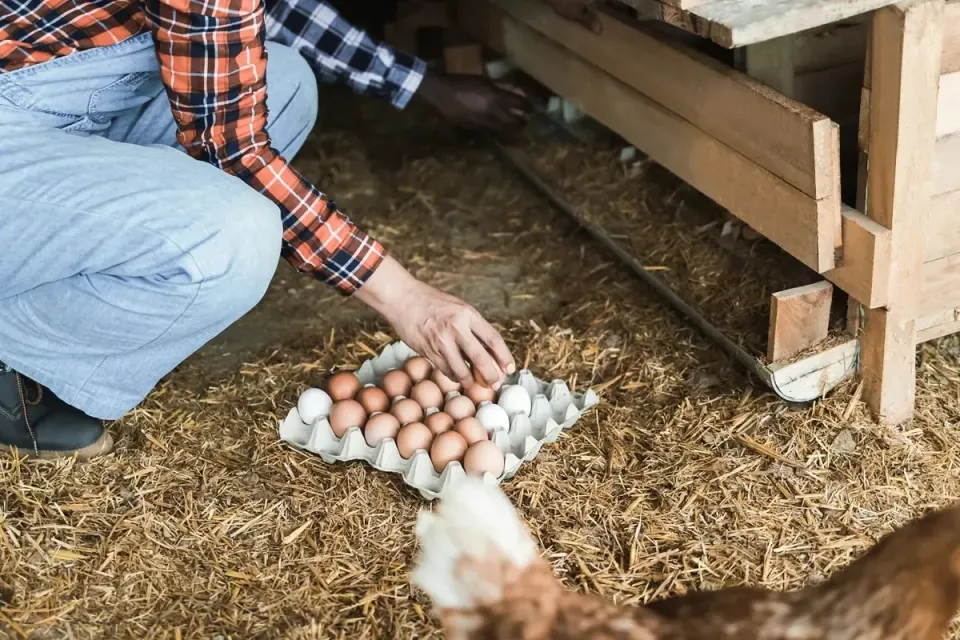
The European Food Safety Authority (EFSA) and the European Commission have renewed their joint #NoBirdFlu campaign ahead of the autumn migration season, urging farm-level biosecurity improvements to reduce avian influenza risks. Nearly 8,000 outbreaks were detected in Europe between October 2025 and June 2026, with supply chain disruption a growing concern for feed and food manufacturers relying on egg-derived ingredients.
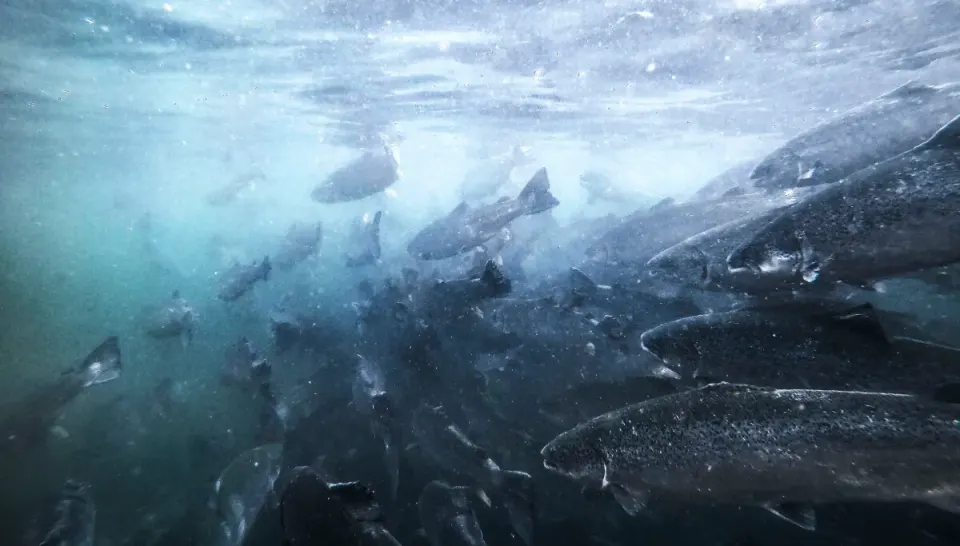
Researchers at Chile's Pontifical Catholic University of Valparaíso have developed a synthetic peptide-based feed additive, Aqua P-Enhance, designed to boost Atlantic salmon's innate immune response against salmonid rickettsial septicaemia. Salmon farming company Invermar has agreed to integrate the additive into its feed production lines for real-world farm trials, with performance targets including a 50% reduction in SRS-related mortality and antimicrobial use, and a 10% increase in final body weight.
A peer-reviewed analysis of 2,479 RASFF mycotoxin notifications from 2020 to 2024 by University of Córdoba researchers finds that aflatoxins drove 84% of recorded cases, with nuts, seeds, and products of non-EU origin accounting for the largest shares. The study cautions against reading notification counts as direct measures of contamination prevalence, but highlights persistent risk in a narrow set of commodity groups relevant to feed and food ingredient buyers.
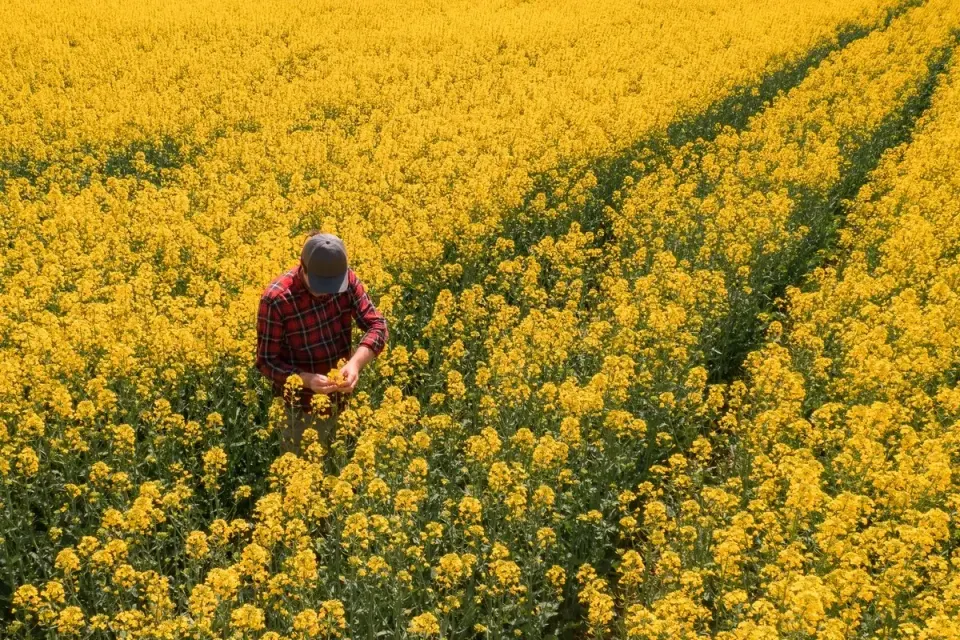
Wageningen University & Research has launched the six-year VASCO project with almost €4 million in funding to convert protein-rich agricultural side streams — including rapeseed cake, potato waste and rejected legumes — currently used as animal feed or for biofuel into ingredients for human consumption. Fermentation and enzyme-assisted protein extraction are the two core processing routes.
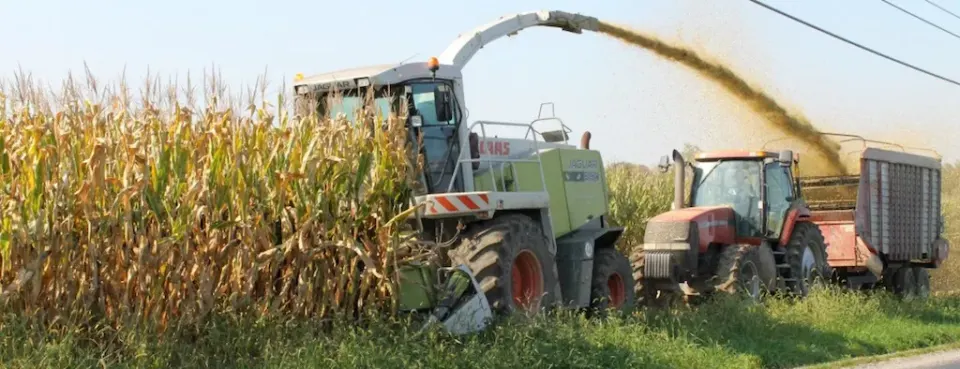
An Ohio State University Extension specialist says reports of Gibberella ear rot during the 2026 corn silage harvest indicate likely Deoxynivalenol (DON) and Zearalenone (ZEA) contamination, and urges dairy producers to sample feed now and again at feed-out, while reviewing storage and nutritional management practices to limit herd impacts.
The Research Council of Norway has selected the Aquafeed Technology Centre Phase II for funding as part of a NOK 1.24 billion (USD 130 million) investment in 18 national research infrastructure projects. Led by Nofima in collaboration with the University of Bergen and NORCE, the expanded centre will develop capacity to process, formulate and evaluate new feed raw materials and ingredients for aquaculture and other bio-based industries.