UK Agri-Tech Centre reaffirms aquaculture commitment amid restructure and redundancy process
The UK Agri-Tech Centre has begun a formal redundancy consultation affecting up to 80 staff as it shifts strategy away from direct testing and towards a partner-led model, while insisting aquaculture remains central to its plans. The future of its co-owned Marine Aquaculture Innovation Centre (MAIC) at Otter Ferry Seafish in Argyll is under review, though Otter Ferry's managing director expects the facility to continue operating normally.

The UK Agri-Tech Centre has told the aquaculture industry that the sector remains an important part of its future, even as it undergoes a significant reorganisation that has placed up to 80 roles at risk and put the future of its stake in a specialist aquaculture research facility under review.
The Centre has started a formal redundancy consultation process. Two of its aquaculture-focused employees — aquaculture trials and innovation lead Martin Sutcliffe and aquaculture innovation lead Polly Douglas — have publicly announced they are seeking new positions.
New strategic direction
The reorganisation follows the appointment of Steve McLean, formerly head of agriculture and fisheries sourcing at Marks and Spencer, as chief executive. McLean has signalled a more commercial focus for the organisation, which is a limited company that receives funding from UK Research and Innovation (UKRI), a non-departmental public body sponsored by the Department for Business, Innovation, Science and Trade.
In a statement, McLean said the new approach centres on connecting industry with partners rather than conducting research directly: "That proposed direction is about focusing the UK Agri-Tech Centre where we believe it can make the greatest difference: accelerating the adoption of agri-tech by connecting farmers, growers and food businesses with the right technologies, expertise, evidence, facilities, funding and opportunities, and working more through and with partners across the UK." He added: "The new approach has been developed with Innovate UK (part of UKRI)."
A spokesperson confirmed the organisation plans to exit direct testing and trialling activities: "The proposals also include transitioning our current facilities into partner organisations. We will continue to connect businesses with the specialist facilities and expertise they need, while working more closely with partners across the UK's wider research and innovation network."
On the impact on staff, the spokesperson said: "The proposed changes also have implications for our organisational structure and our people. We have started a formal consultation process with colleagues, with up to 80 roles potentially affected." The spokesperson added: "We recognise this is a difficult time for those directly impacted and for the wider team. The consultation is being taken very seriously, and no decisions about individual redundancies will be made until the appropriate process has been completed."
MAIC's future
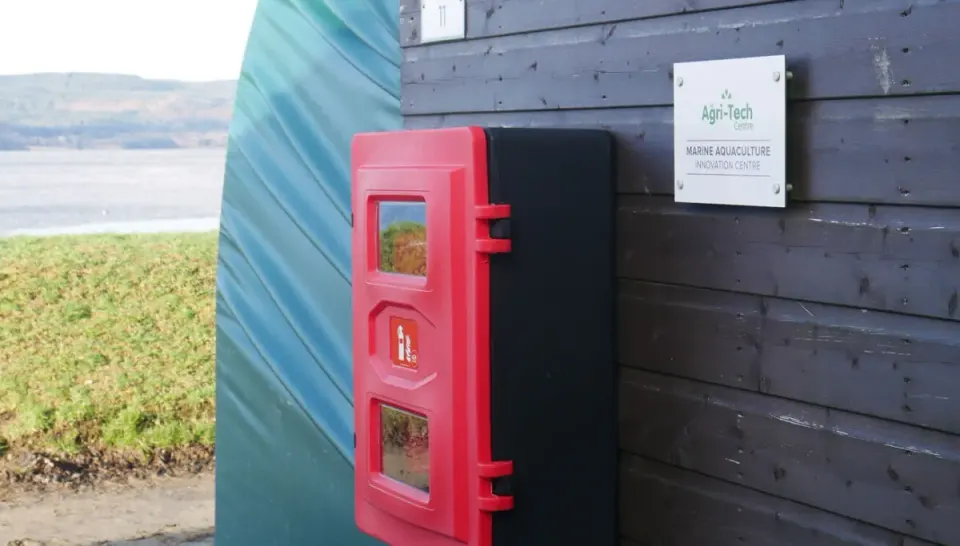
The UK Agri-Tech Centre's part-ownership of the Marine Aquaculture Innovation Centre (MAIC), located at Otter Ferry Seafish at Tighnabruaich in Argyll and Bute, is also under review as part of the restructuring.
Alastair Barge, managing director of Otter Ferry Seafish — which grows halibut and co-hosts MAIC — said a meeting with UK Agri-Tech about the facility's future was scheduled for the coming weeks. He expressed confidence that operations would not be disrupted: "I would think that MAIC will still be here for the industry to use."
Barge noted that Otter Ferry already manages much of MAIC's day-to-day operations and underscored his company's commitment to the site: "We own half of it, and we're not walking away from it." He added: "We'll still have the same facilities, so the same capacity."
MAIC operates on a shared-profit basis, with revenues from research projects such as feed trials divided between Otter Ferry and Agri-Tech according to each partner's costs. Barge said: "We get most of the revenue back because we're incurring the operating costs." He expressed optimism about demand for the facility going forward: "The industry needs a facility like this. I would like to think there's enough enterprise and work in the future for MAIC, or whatever it may be called. It'll be the same facility."
Prepared with AI assistance and reviewed by the editorial team.