Loading…
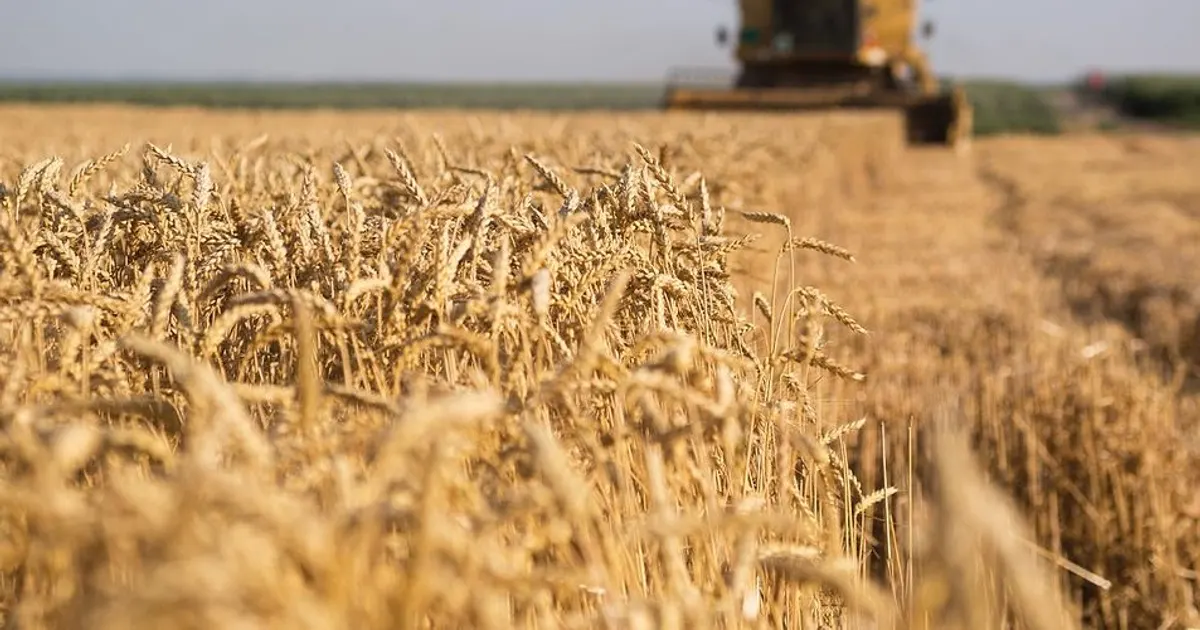
World Grain reports USDA's August crop report raised winter wheat and cut spring wheat, while corn and soybean output was lowered from July. Since mid-July, Russia's exit from the Black Sea grain deal and port attacks drove wheat futures up briefly before they fell about 20% in Kansas City, Minneapolis and Chicago.
Sharp wheat futures declines reflect fading geopolitical risk premium and ample supply, reducing wheat's feed cost advantage over corn over time.
 world-grain.comCrystal Futrell, Ron SterkAug 23, 2023
After 80 past bearish geopolitics events, WHEAT moved a median -0.4% over 5 sessions (44% higher; middle half -1.4% to +1.9%), and -0.5% over 20.
After 72 past bullish geopolitics events, SOY moved a median +0.4% over 5 sessions (60% higher; middle half -1.0% to +2.5%), and -1.0% over 20.
After 323 past bullish geopolitics events, CORN moved a median +0.5% over 5 sessions (57% higher; middle half -1.5% to +2.9%), and +0.9% over 20.
After 16 past bearish geopolitics events, KWHEAT moved a median -3.0% over 5 sessions (13% higher; middle half -4.3% to -1.9%), and -0.5% over 20.
Moves of each commodity's benchmark from the last close before the event. Historical reads pool past events of the same kind; they describe what happened, not what will. Not investment advice.
