The Feed Desk is the editorial team behind The Feed Report, covering the global feed industry, animal nutrition, commodity markets, feed safety, aquaculture, and the forces shaping livestock and food production. The desk monitors industry developments, research, market data, company announcements, and regulatory changes to provide timely, focused reporting for feed and nutrition professionals.
U.S. Trade Representative Jamieson Greer said on 25 September 2026 that a bilateral Board of Trade agreement with China would protect selected agricultural exports from future tariff retaliation, with full details expected on 28 September. The trade truce has also been extended through January 2027, but an unresolved Section 301 overcapacity investigation could complicate the arrangement.
Nestlé Purina has announced a €55 million investment to modernise its Portogruaro, Italy pet food facility, coinciding with the plant's 40th anniversary. The upgrade targets super-premium and veterinary diet production capabilities, including manufacturing flexibility, digitalisation, and a new on-site wastewater treatment plant, without increasing the site's current annual output of more than 130,000 tonnes.
Immigration enforcement operations in Kansas, Oklahoma and Texas have cut federally inspected cattle slaughter by more than 31,000 head versus the prior week through Thursday, September 25, 2026, with the Kansas Livestock Association, Oklahoma Cattlemen's Association and Texas Cattle Feeders Association warning of millions of dollars in lost revenue and delays to fed cattle deliveries. The disruption is affecting feedyards, processing plants, feed and grain businesses and transport operations across a region that accounts for roughly 22% of the nation's grain-fed beef supply.
US on-highway diesel hit an all-time record of $6.53 per gallon in the week of 21 September 2026, coinciding with the harvest season. The Trump administration is weighing a range of targeted measures — including dyed-diesel distribution, state tax relief and voluntary refiner concessions — after setting aside a 90-day export ban that energy officials and industry warned would backfire. USDA projects 2026 farm fuel and oil spending at $21.6 billion, up 28.8% from 2025.
Corn, soybean, and wheat futures faced sharp selling pressure on 25 September 2026, with all three grain markets breaking down technically amid disappointing outcomes from the Trump-Xi summit, a potential Iran-U.S. deal that pressured crude oil, and rising U.S. Treasury yields. USDA's Hogs & Pigs report added a bearish tone to cattle markets while offering a modestly supportive signal for lean hog futures.
The U.S. Grains & BioProducts Council escorted a 19-member South Korean feed and food corn buyer delegation on a multi-state tour of the U.S. corn export chain in September 2026, covering farms, ethanol facilities, grain handling sites and Pacific Northwest export terminals, as U.S. corn holds more than 80% of South Korea's import market so far this year.
Archer Daniels Midland (ADM) is investing $55.5 million to repurpose an underutilised fermentation facility in Clinton, Iowa, into a precision fermentation operation, with Iowa state authorities approving $2.23 million in tax credits to support the project. The conversion is expected to expand ADM's capacity to produce high-value proteins and enzymes for food, feed, and industrial markets.
Côte d'Ivoire's poultry meat output has grown sixfold since 2010, reaching 139,000 tonnes in 2025 and driving rising demand for domestically produced maize and soybeans. Industry stakeholders meeting in Abidjan ahead of the Fieravicola 2027 trade fair called for stronger value-chain investment, improved animal health measures and technology partnerships with Italian companies to support further growth.
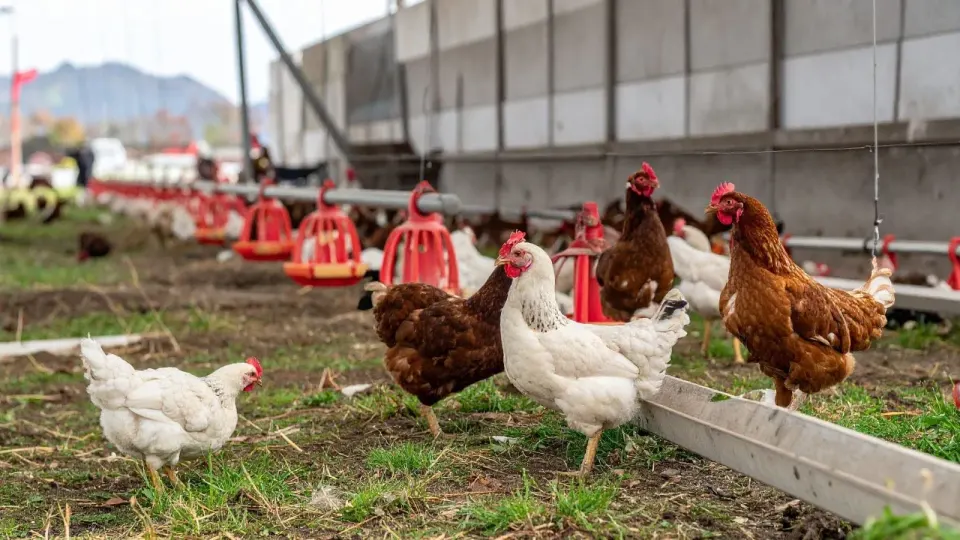
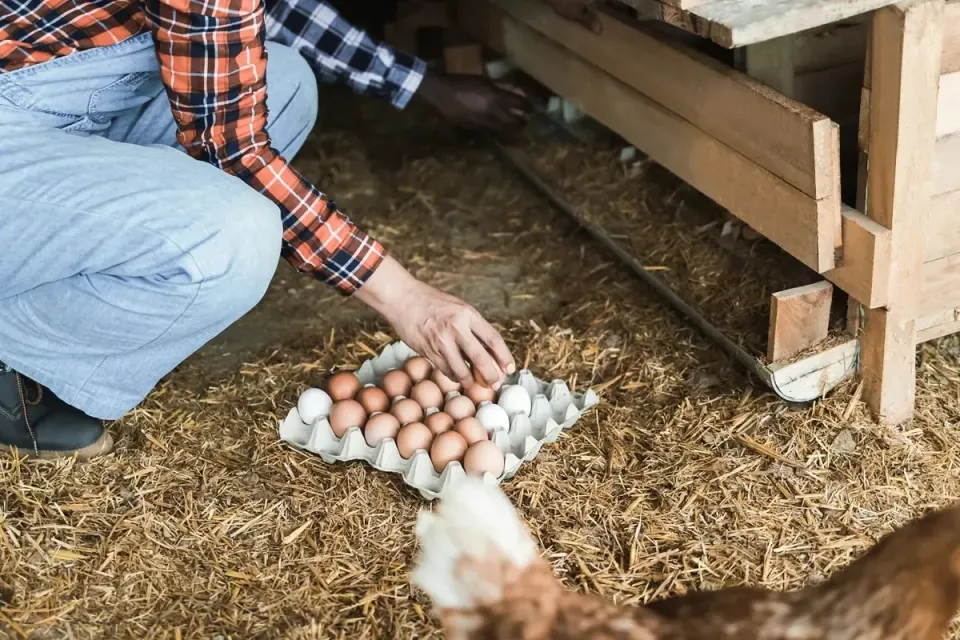
The European Food Safety Authority (EFSA) and the European Commission have renewed their joint #NoBirdFlu campaign ahead of the autumn migration season, urging farm-level biosecurity improvements to reduce avian influenza risks. Nearly 8,000 outbreaks were detected in Europe between October 2025 and June 2026, with supply chain disruption a growing concern for feed and food manufacturers relying on egg-derived ingredients.
A strengthening El Niño event, combined with fertilizer shortages, geopolitical tensions, and elevated energy costs, could push global food and feed commodity prices up by 14–16%, according to procurement consultancy Beroe. Key feed ingredients including corn, vegetable oils, and sugar face varying levels of supply and price risk, with the full market impact potentially not materialising until 2028.
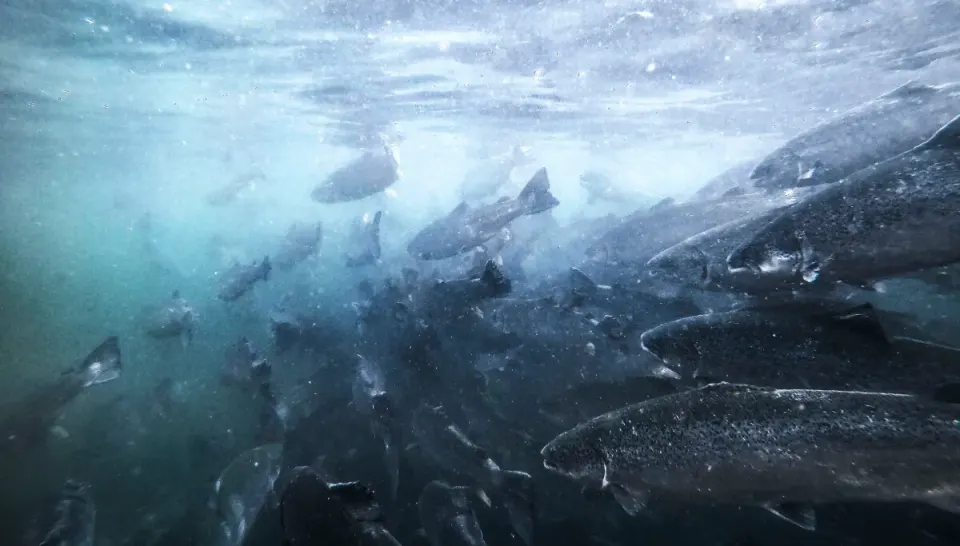
Researchers at Chile's Pontifical Catholic University of Valparaíso have developed a synthetic peptide-based feed additive, Aqua P-Enhance, designed to boost Atlantic salmon's innate immune response against salmonid rickettsial septicaemia. Salmon farming company Invermar has agreed to integrate the additive into its feed production lines for real-world farm trials, with performance targets including a 50% reduction in SRS-related mortality and antimicrobial use, and a 10% increase in final body weight.
A peer-reviewed analysis of 2,479 RASFF mycotoxin notifications from 2020 to 2024 by University of Córdoba researchers finds that aflatoxins drove 84% of recorded cases, with nuts, seeds, and products of non-EU origin accounting for the largest shares. The study cautions against reading notification counts as direct measures of contamination prevalence, but highlights persistent risk in a narrow set of commodity groups relevant to feed and food ingredient buyers.