The Feed Desk is the editorial team behind The Feed Report, covering the global feed industry, animal nutrition, commodity markets, feed safety, aquaculture, and the forces shaping livestock and food production. The desk monitors industry developments, research, market data, company announcements, and regulatory changes to provide timely, focused reporting for feed and nutrition professionals.
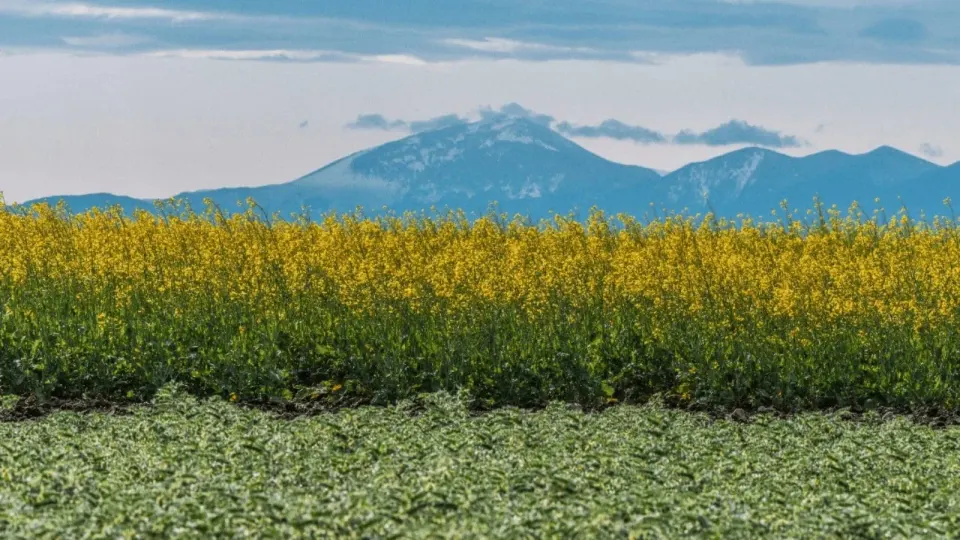
Bunge has entered a strategic commercial partnership with BASF to crush and process InVigor Gold, a canola-quality Brassica juncea hybrid seed bred for hotter, drier growing regions. Crushing is set to begin at Bunge's Warden, Washington facility, with initial commercial availability of the seed planned for Montana, North Dakota and Washington in 2027.
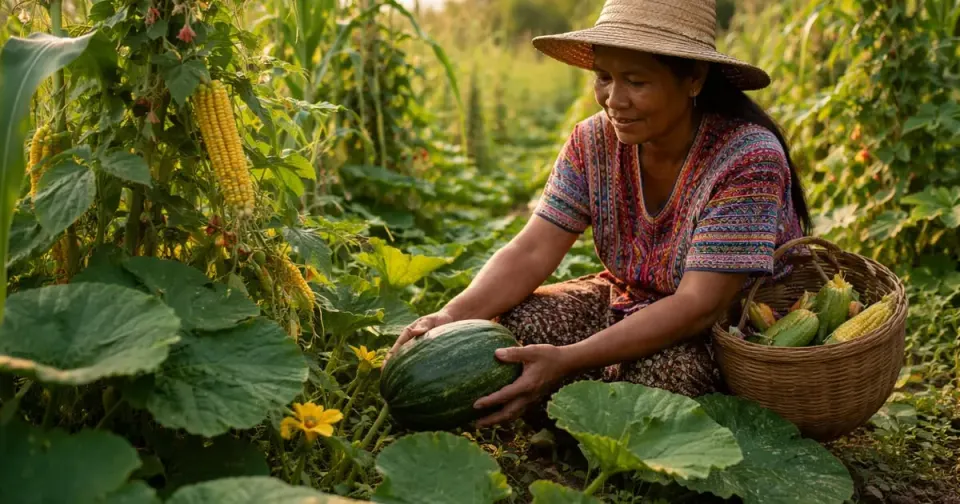
The Philippine Department of Agriculture is reviewing broader use of millet in animal feed rations to reduce the country's dependence on corn as a very strong El Niño, projected to persist into the first half of 2027, raises the risk of drought-related supply shocks. While corn remains the dominant feed grain, any large-scale millet adoption could gradually temper growth in Philippine corn import demand, a development international exporters are beginning to monitor.
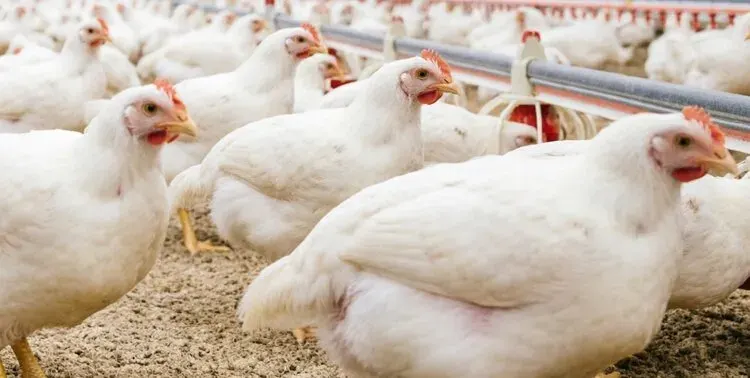
A Chinese study published in September 2026 reports that single-cell protein derived from the bacterium Ralstonia eutropha H16 can substitute soybean meal in broiler chicken diets at inclusion levels up to 8%, maintaining growth performance while improving antioxidant capacity, immune status, and gut health.
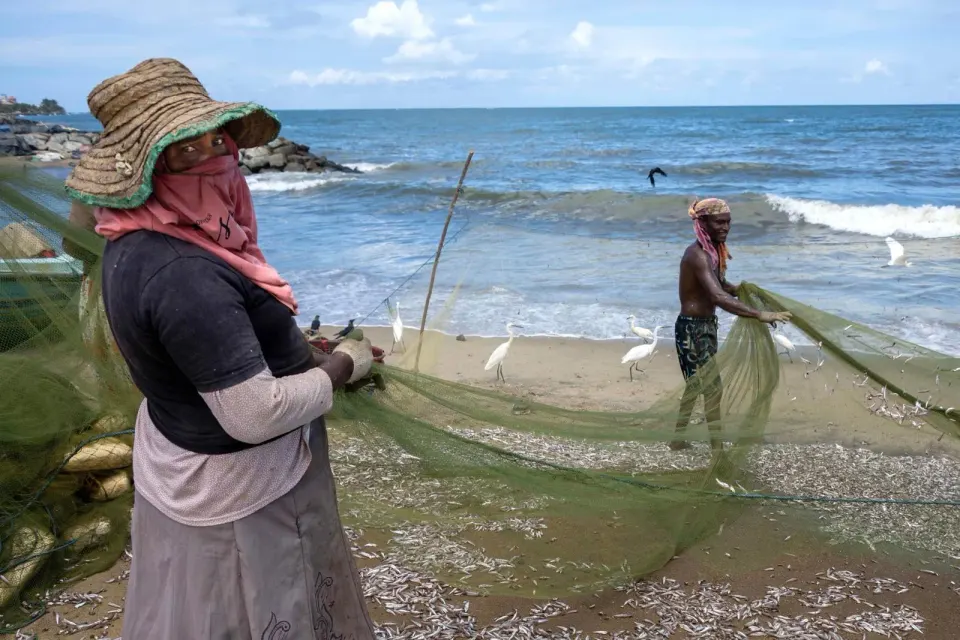
A report by the Changing Markets Foundation, produced with University of British Columbia researchers, warns that wild-caught fish used for aquaculture feed could rise sharply by 2040 if growth concentrates in carnivorous species such as salmon, shrimp, sea bream and sea bass. The FAO has disputed the interpretation of a 75% growth figure cited in the report, and the findings have sharpened debate over species choice, feed composition, and the impact on small-scale fishing communities.
The Research Council of Norway has awarded NOK 1.24 billion (€110 million) across 18 projects to strengthen national research infrastructure, with Nofima's Aquafeed Technology Centre among the recipients. The funding will support Phase II of the centre, expanding Norway's capacity to develop and test aquafeed raw materials and ingredients.
An article published in The Poultry Punch warns that mycotoxin-induced liver and kidney damage can prevent poultry from converting dietary Vitamin D₃ into its biologically active form, resulting in functional deficiency even when feed is adequately supplemented. The piece also profiles a plant-derived bioactive Vitamin D supplement, Avitriol, claimed to bypass the affected conversion pathway.
China's National Health Commission and State Administration for Market Regulation have jointly issued Announcement No. 6 of 2026, releasing 50 national food-safety standards and amendment sheets that span product specifications, additive purity, production controls and laboratory test methods. Feed and food ingredient businesses exporting to or operating in China must review each standard individually, as no single package-wide compliance deadline applies.
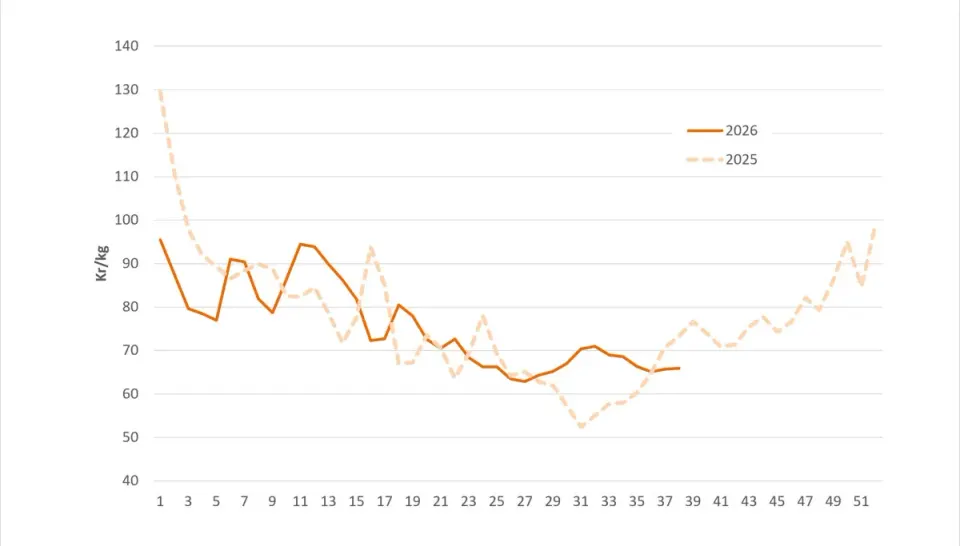
Norway set a new all-time record for weekly salmon exports in week 38 of 2026, shipping 43,800 tonnes, yet the spot price still managed a marginal increase. Farmed cod exports also surged year-on-year, with volumes and values running well ahead of 2025 levels.
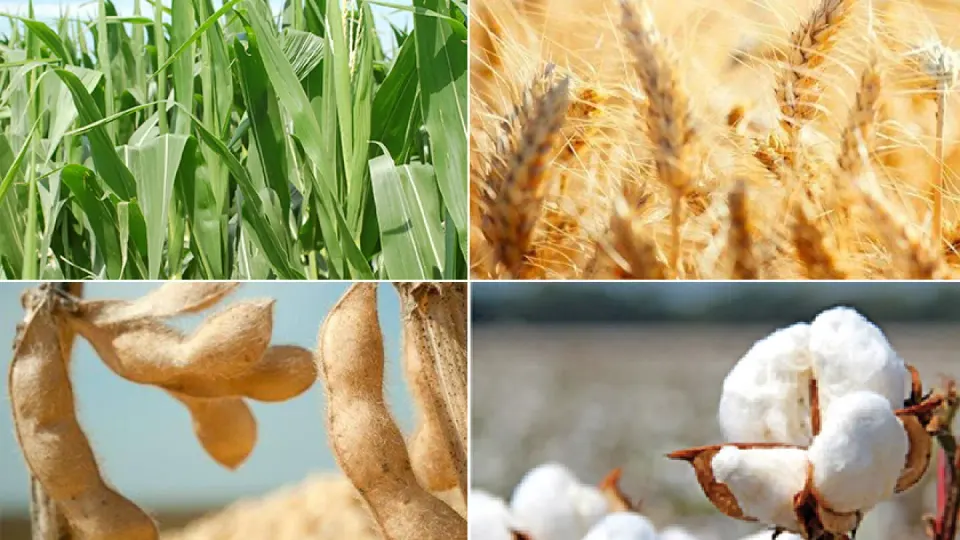
U.S. grain futures on September 25, 2026 finished near session highs after early selling pressure gave way to a recovery driven by a weaker dollar and trade-deal optimism. December corn edged up fractionally, November soybeans posted weekly gains on news of a U.S.-China trade subset agreement, while wheat futures ended the week lower amid a sustained price downtrend. Persistent Midwest rains are delaying harvest and tightening soybean supplies at processors.
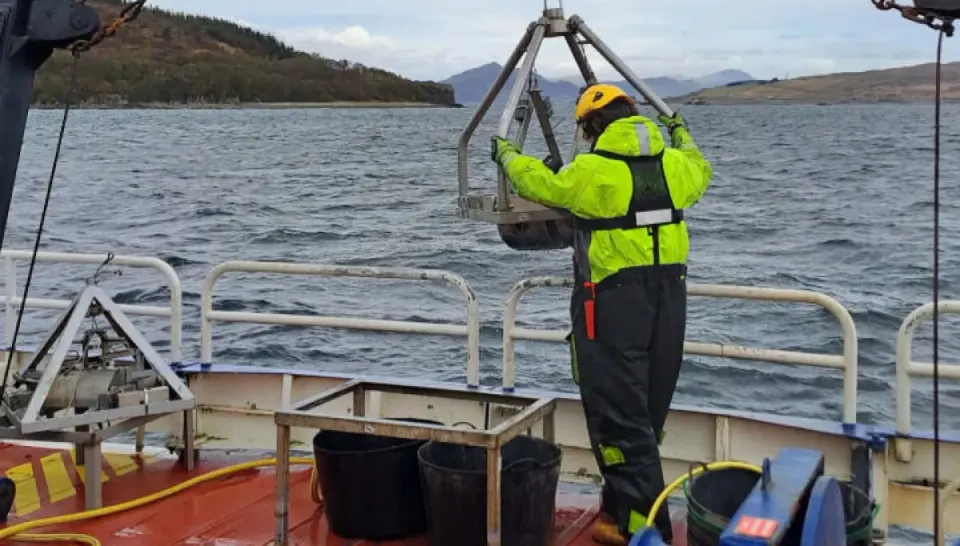
Scotland's environmental regulator SEPA has formally incorporated environmental DNA (eDNA) analysis into its regulatory process for monitoring seabed condition around salmon farms, cutting assessment time from around 16 weeks to around six weeks and allowing operators to use eDNA results as evidence of compliance.
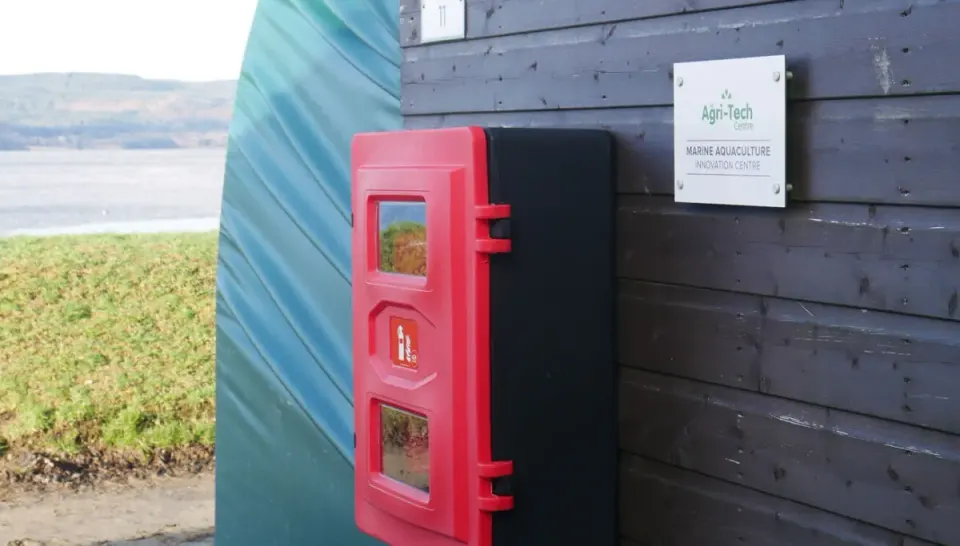
The UK Agri-Tech Centre has begun a formal redundancy consultation affecting up to 80 staff as it shifts strategy away from direct testing and towards a partner-led model, while insisting aquaculture remains central to its plans. The future of its co-owned Marine Aquaculture Innovation Centre (MAIC) at Otter Ferry Seafish in Argyll is under review, though Otter Ferry's managing director expects the facility to continue operating normally.
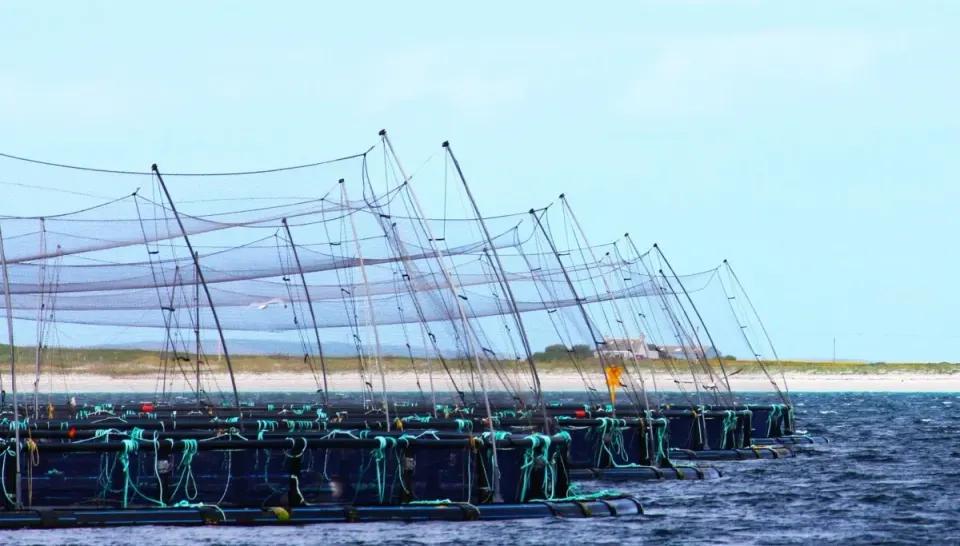
Scottish salmon farmer Cooke Scotland reported a 49% fall in net profit to £6.1 million in 2025, down from £12 million in 2024, as a decline in salmon prices more than offset higher sales volumes. Its parent, Cooke Aquaculture UK Holdings, saw an even steeper 60% profit decline. Feed costs and fuel remain key risk factors cited by directors in the annual report.