The Feed Desk is the editorial team behind The Feed Report, covering the global feed industry, animal nutrition, commodity markets, feed safety, aquaculture, and the forces shaping livestock and food production. The desk monitors industry developments, research, market data, company announcements, and regulatory changes to provide timely, focused reporting for feed and nutrition professionals.
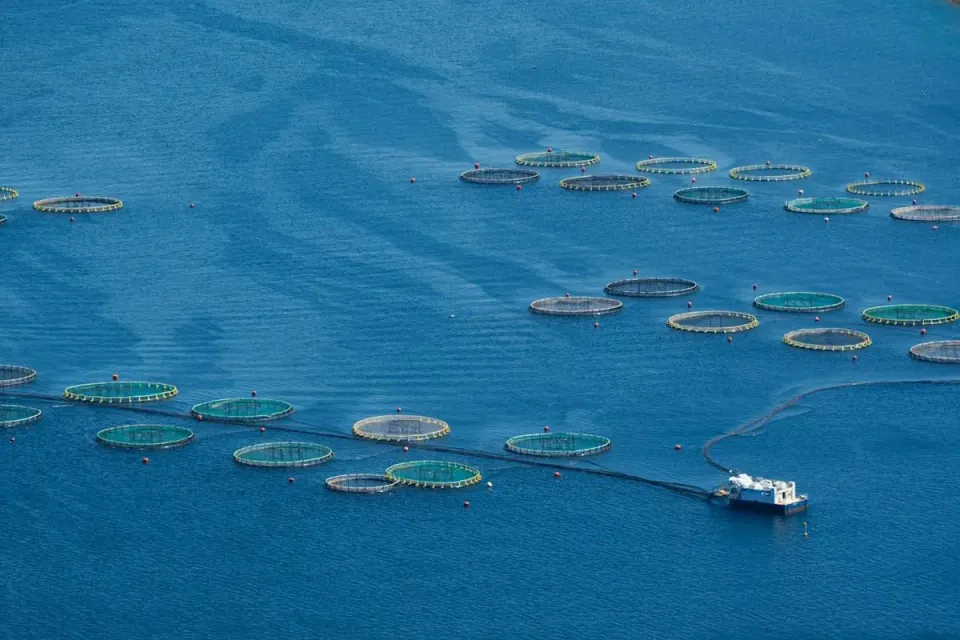
The UN Food and Agriculture Organization's SOFIA 2026 report, launched at the 11th Our Ocean Conference in Mombasa, Kenya, reveals that global aquaculture aquatic animal production reached 103 million tonnes in 2024, surpassing the 100 million tonne threshold for the first time. Asia accounts for around 89% of farmed output, and aquaculture now supplies 53% of total aquatic animal production. FAO projects production could reach 214 million tonnes by 2034, though climate change and sustainability pressures pose risks.
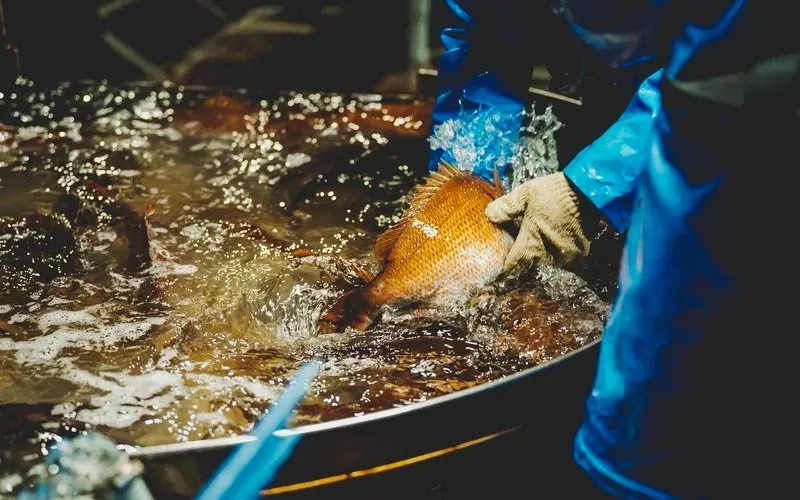
Japan's Dainichi Corporation is competing in the F3 Fish Farm Challenge 2025–2027, raising red seabream from juvenile stage to harvest on a diet free of marine-animal ingredients. The company is using soy protein concentrate and black soldier fly meal as principal alternatives, has invested in ingredient supplier Protenga, and is trialling AI-assisted feeding alongside hand feeding to optimise performance.
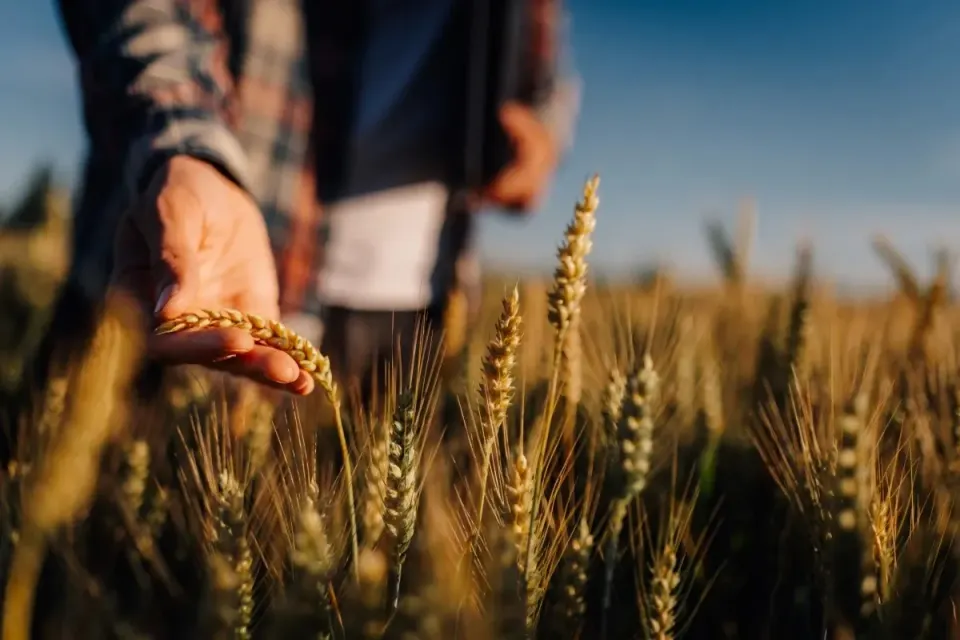
The Agriculture and Horticulture Development Board's final assessment of the UK's 2026 cereal harvest shows winter wheat averaging 6.9 t/ha — about 11% below the five-year average — while spring barley and oats also fell well short of benchmarks. Oilseed rape was the sole standout crop, yielding roughly 19% above its five-year average. AHDB warns that some arable farmers are now facing a second or third successive difficult harvest.
France-based Innovafeed and Dutch company Protix have jointly published a white paper arguing that current life cycle assessments of insect-derived feed ingredients rely on outdated pilot-scale data and fail to capture real-world sustainability gains already achieved at industrial scale, including a reduction in Innovafeed's carbon intensity by a factor of five since 2022.
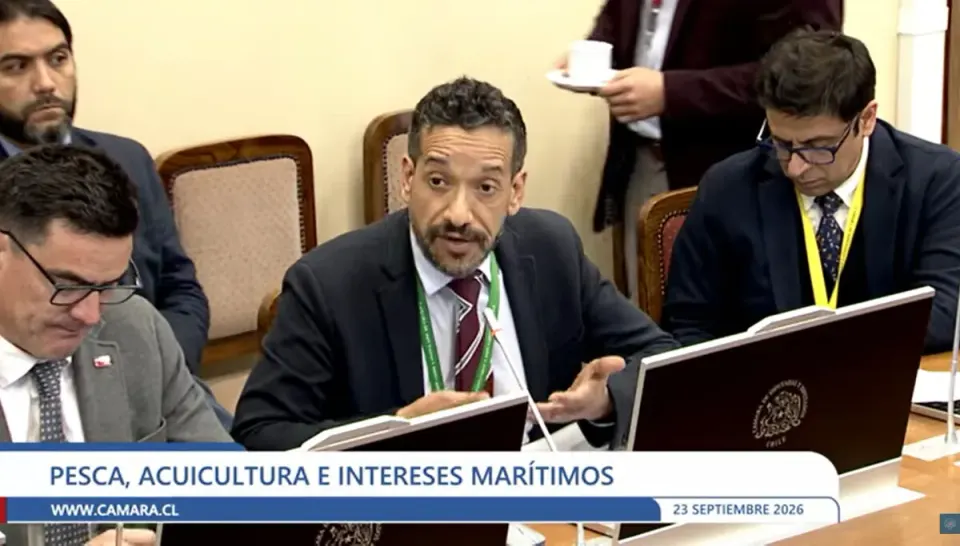
Chilean aquaculture authorities have told parliament that land-based sanitary trenches could be used to dispose of salmon mortalities if the current El Niño climate event causes a catastrophic harmful algal bloom, an approach reserved only for the most extreme scenarios and aimed at preventing a repeat of the 2016 sea-dumping crisis.
Malaysian palm oil futures fell around 2% on 25 September 2026, hitting their lowest levels since early August, as expectations of rising stocks above 3.1 million tonnes and weak Indian import demand weighed on prices. Analysts warn that El Niño-related yield losses could tighten the global balance in 2027, capping longer-term downside.
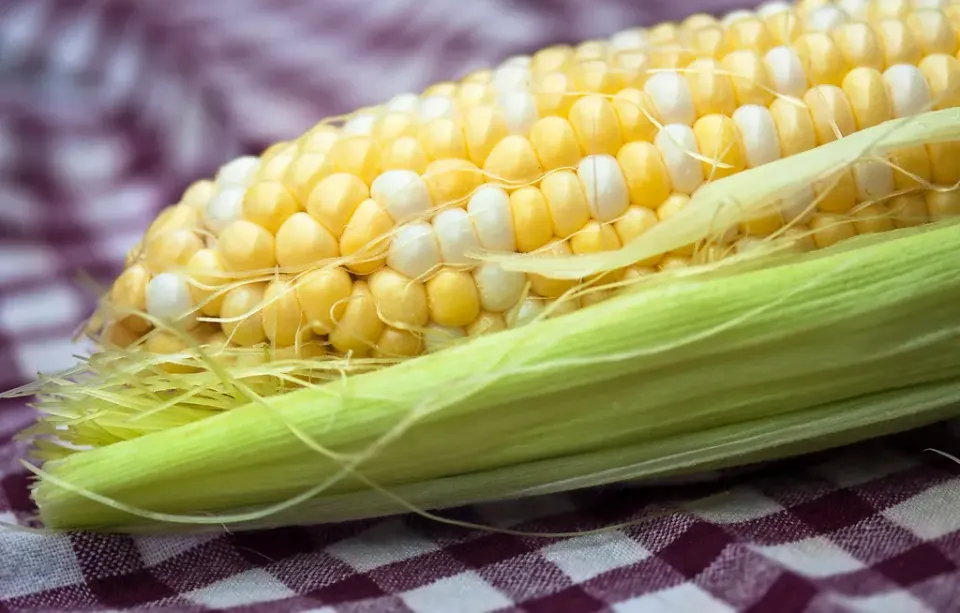
Indian organic starch corn FOB New Delhi has edged up to EUR 1.32/kg as a lagging kharif maize acreage, a weak monsoon backdrop and firm global corn sentiment keep sellers in a strong position. Black Sea and EU supply remain competitive but cannot fully offset the structural risk premium supporting Indian export-grade corn.
China has published a 1,619-tariff-line list of U.S. products eligible for consideration for lower tariffs, covering corn, wheat, cotton, beef, pork, dairy and ethanol, but notably omitting commercial (non-seed) soybeans and distillers dried grains with solubles (DDGS). Actual tariff reductions remain pending domestic legal processes in each country, and the widely cited "30-for-30" figures represent a 2024 trade valuation benchmark rather than a purchasing or savings commitment.
Australia's Department of Agriculture, Forestry and Fisheries has briefed stakeholders on the EU Deforestation Regulation, which is now confirmed to take effect from 31 December 2026 after two consecutive 12-month delays. Australian beef and lamb exporters shipping product from October 2026 onwards must comply with the new rules, with geolocation of supply properties being the primary requirement for Australia's "low-risk" country classification.
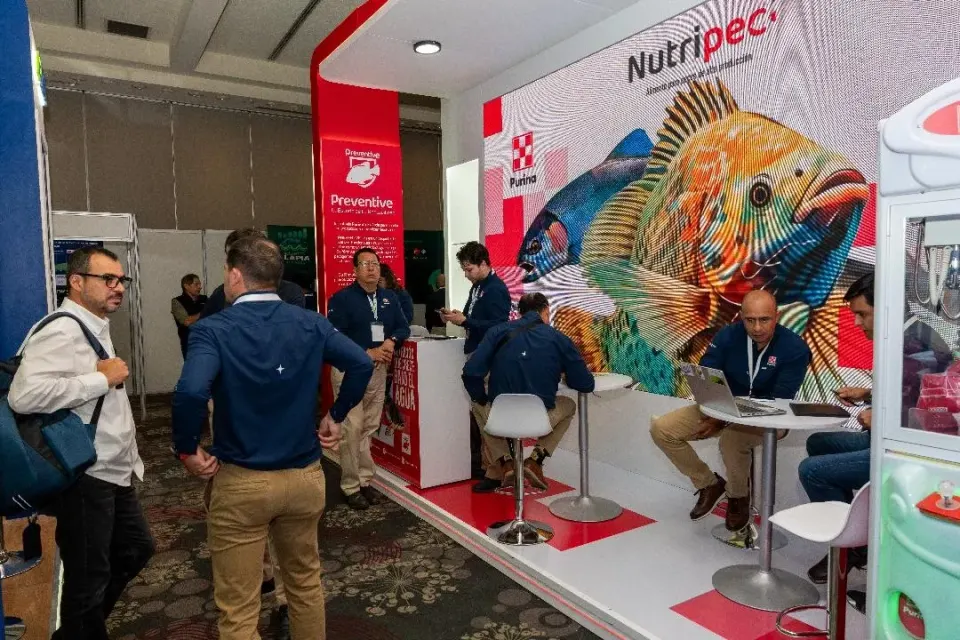
Cargill Animal Nutrition & Health presented an updated Nutripec™ portfolio of 13 aquafeed products for tilapia, catfish, and trout at Expo Tilapia México 2026, also introducing redesigned packaging aimed at better preserving nutrients during storage and transport.
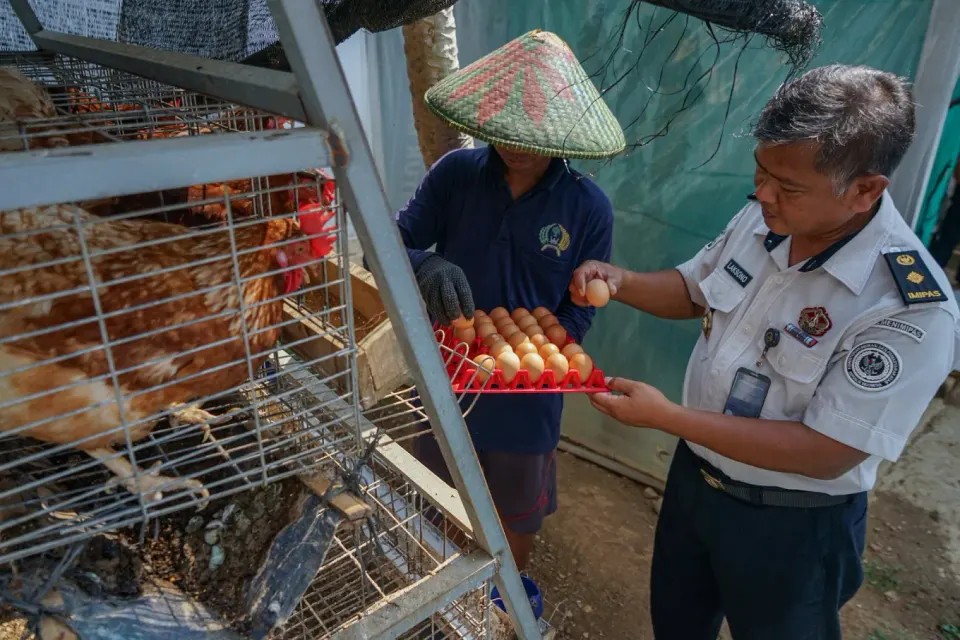
Indonesia's Agriculture Ministry has allocated around Rp 17 trillion to build an integrated livestock industry spanning feed mills, hatcheries, poultry and dairy farms across the country, with five initial sites in Lampung, East Java, South Sulawesi, West Nusa Tenggara and Gorontalo targeted for completion in 2027.
Deoxynivalenol (DON), commonly known as vomitoxin, is emerging as a significant problem in the 2026 corn harvest, prompting grain handlers including Dayton Cargill to test every load. The heat-stable mycotoxin concentrates in distillers dried grains and poses regulatory and financial risks for the animal feed industry.