Vomitoxin Alert: DON Contamination in Corn Raises Feed Safety Concerns for 2026 Harvest
Deoxynivalenol (DON), commonly known as vomitoxin, is emerging as a significant problem in the 2026 corn harvest, prompting grain handlers including Dayton Cargill to test every load. The heat-stable mycotoxin concentrates in distillers dried grains and poses regulatory and financial risks for the animal feed industry.
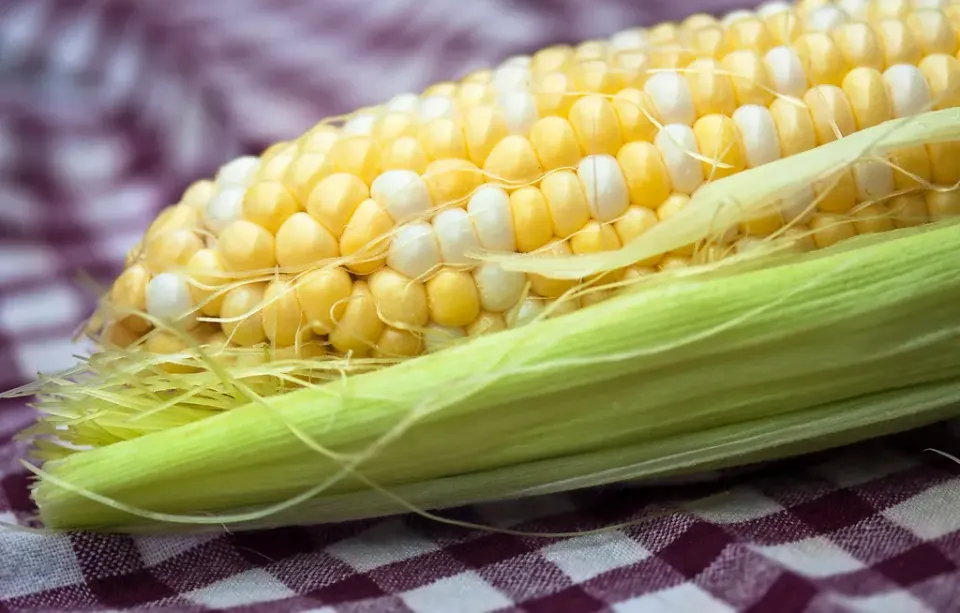
Vomitoxin, also known as deoxynivalenol (DON), is set to be a notable problem for many farmers in the 2026 harvest season, according to Wright on the Market. The mycotoxin, which originates primarily from Gibberella — the most common vomitoxin source — poses particular risks for the livestock and animal feed sectors.
In response to elevated contamination risk, grain handler Dayton Cargill is reported to be checking every load of corn for DON, reflecting the heightened vigilance among industry participants this season.
DON presents a distinct identification challenge in the field. On wheat, the contamination appears visually as a pink or reddish mold on the glumes and kernels, while on corn, a pink or reddish mold appears on the tip of the ears, according to the report.
Heat Stability Amplifies Risk Across the Feed and Food Chain
A key concern for feed manufacturers and grain processors is that vomitoxin is stable at high temperatures, meaning standard food and feed processing steps do not eliminate it. Wright on the Market notes that the toxin persists through the production of flour, distillers dried grains (DDG), bread, noodles, cereal, popcorn, and beer.
Of particular concern for the animal feed industry is the behaviour of DON during the ethanol co-product process. According to the source, the vomitoxin stays with the DDG at three times the concentration it was in the corn — a significant multiplier effect that elevates risk for livestock operations relying on DDG as a feed ingredient.
The heat-resistant nature of DON makes mycotoxin due diligence by farmers, grain mills, grain handlers, and suppliers especially important, the report states.
Regulatory Limits and Financial Exposure
Regulatory food safety compliance requires vomitoxin analysis. In the United States, advisory levels for DON are set at 1 part per million (ppm) for finished wheat products intended for human consumption. For animal feed, the advisory level is set at less than 5 ppm. Canada maintains even stricter tolerance levels, according to Wright on the Market.
The financial stakes are substantial. The source notes that recalls of contaminated animal feed have resulted in business losses of over $20 million, underscoring the importance of rigorous testing protocols throughout the grain supply chain.
Prepared with AI assistance and reviewed by the editorial team.