Chile prepares sanitary trenches as last resort if El Niño triggers salmon mass mortality
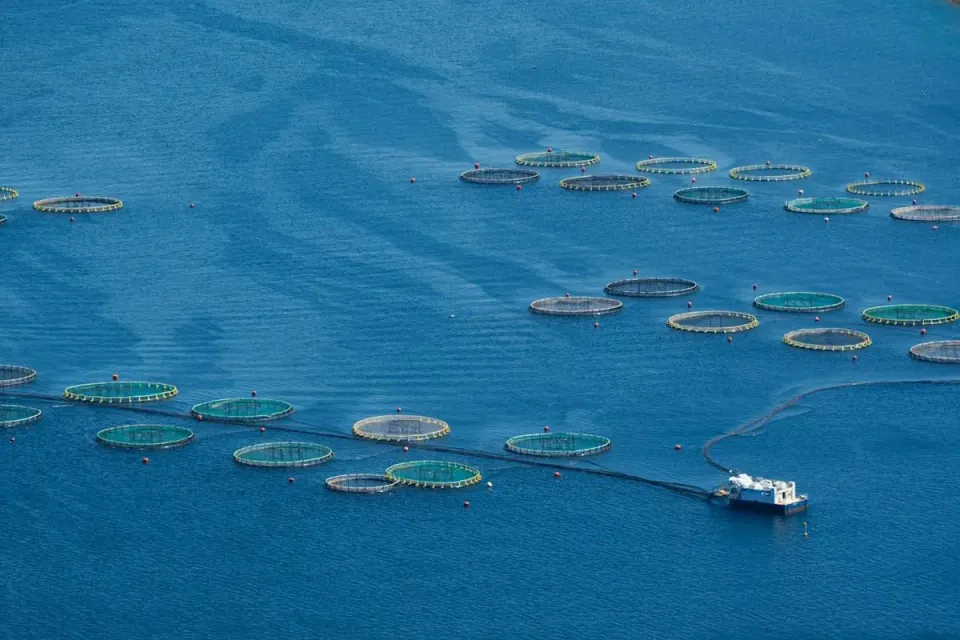
Chilean aquaculture authorities have told parliament that land-based sanitary trenches could be used to dispose of salmon mortalities if the current El Niño climate event causes a catastrophic harmful algal bloom, an approach reserved only for the most extreme scenarios and aimed at preventing a repeat of the 2016 sea-dumping crisis.

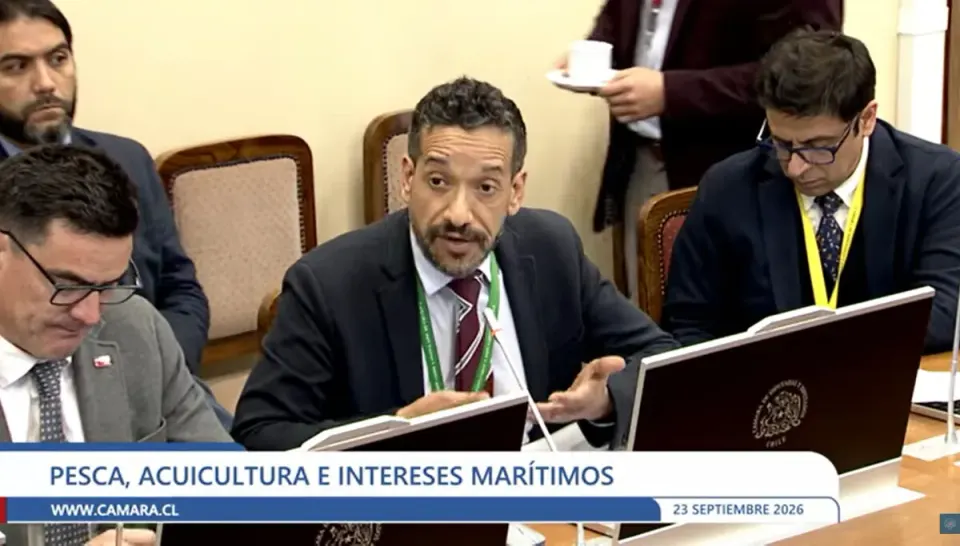
Chilean authorities have told parliamentarians that land-based "sanitary trenches" may be used to dispose of dead salmon if the current El Niño climate event triggers a mass-mortality event, according to a session of the Fisheries and Aquaculture Commission of the Chamber of Deputies held on 28 September 2026.
Alejandro Barrientos, deputy director of aquaculture at Subpesca, the Undersecretariat for Fisheries and Aquaculture, told deputies that such a measure would only be permitted in the case of what he described as "a catastrophic event, surpassing all existing norms and technological advances". In such circumstances, sanitary trenches or sanitary cells would be created on land to contain mortality and prevent fish from being dumped into the sea.
The session reviewed in detail the risks and potential responses to harmful algal bloom (HAB) events that could be driven by the current El Niño, as well as actions being coordinated by Subpesca, government-backed fisheries and aquaculture research institute IFOP, the Navy, and Chile's national disaster prevention and response service, Senapred.
Deputies expressed fears that the climate event could cause a HAB worse than the one recorded in 2016, when the industry suffered mortalities that exceeded 40,000 tonnes. Barrientos explained why those mortalities had to be dumped into the sea at the time, stating: "It is important to clarify why the spill (dumping) occurred: it was due to an uncoordinated or slow action to remove the mortality from the farming cages, which led to decomposition and the generation of hydrogen sulphide, which is toxic and could not be left on land, so it was taken to the sea."
Barrientos said that since 2016, modifications to aquaculture management regulations, HAB early warning systems, and improved contingency plans have been put in place to encourage companies to remove dead fish promptly. A monitoring system is now in operation at each fish farm, with some sites having technology capable of photographing microalgae, uploading images to the cloud, and analysing their type and toxicity — enabling the activation of microbubble or upwelling systems to protect fish.
Despite these improvements, authorities are preparing for worst-case outcomes. Barrientos stated: "It is possible that an event larger than the one in 2016 could generate high-impact mortality, and in that sense, there is a risk that the debris could not be removed and would decompose. For this reason, we are working under the auspices of Senapred to identify ways to act in the face of such a scenario."
Chile is the world's second-largest salmon producing nation. The source report notes the country is better prepared for El Niño challenges than it was in 2016, including in relation to the disposal of mortalities.
Prepared with AI assistance and reviewed by the editorial team.