Soybean prices are holding broadly steady, supported by strong Asian crushing margins and firm Chinese feed demand, even as Ukrainian FOB values ease and CBOT futures consolidate ahead of the US harvest. Wilmar International's H1 2026 results point to a meaningful uplift in crushing volumes and processing profits, while Brazilian planting begins under El Niño-influenced conditions.
Global sunflower seed output is projected to reach around 62.3 million tonnes in 2026/27, reinforcing an oilseed surplus, while Chinese confection and bakery-grade kernels command firm premiums. Black Sea logistics disruptions and export taxes continue to add volatility to trade flows, with China's role as an alternative supplier seen as a potential source of growing pricing power.
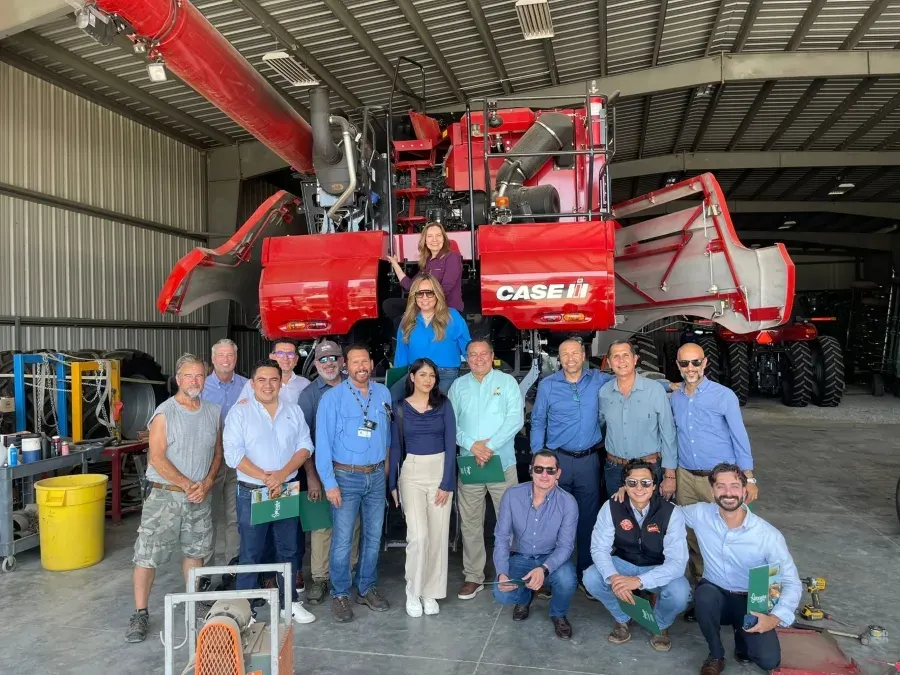
The U.S. Grains & BioProducts Council escorted a Mexican buying group representing the dairy, cattle, swine, poultry and white corn sectors on a tour of Iowa, Nebraska and Kansas in early September 2026 to develop direct sourcing relationships with cooperatives, elevators and rail stakeholders. The group collectively purchases around 400,000 metric tons of U.S. corn and 80,000 metric tons of DDGS annually.
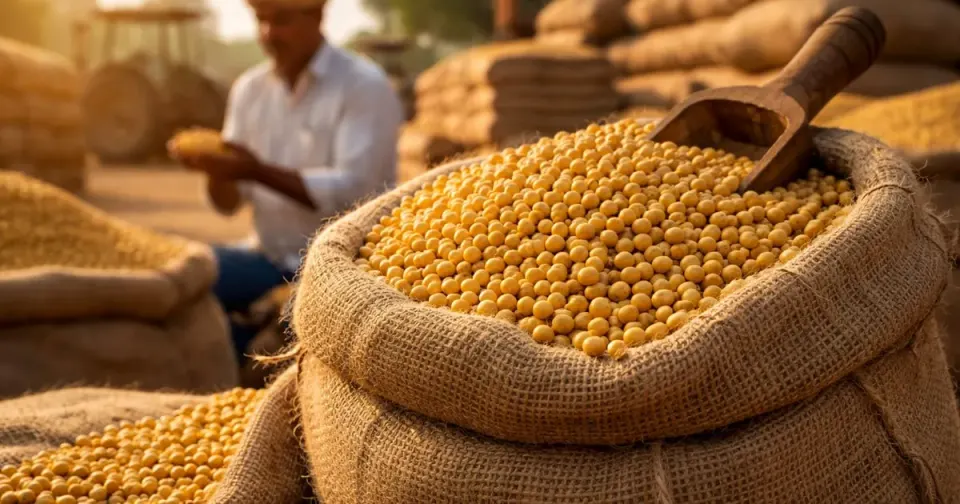
Indian soybean prices are consolidating at elevated levels in September 2026, supported by weaker domestic crop output, patchy monsoon conditions in key growing states, and trade estimates pointing to record imports approaching 1 million tonnes for the current oil year. FOB New Delhi prices for sortex-clean soybeans remain stable at 0.87 EUR/kg, well above global benchmarks, while mandi prices fluctuate around the mid-₹6,000/quintal range.
Argentina's bumper 2025/26 corn harvest of roughly 71.7 million tonnes is driving record export volumes to North Africa, displacing Ukrainian and EU supplies constrained by Black Sea disruptions and drought. Morocco, Egypt, and Algeria have all sharply increased purchases from Argentina in the first seven months of 2026, while Brazil's expanding ethanol sector is further tightening global export availability.
Ukraine's Cabinet of Ministers has approved three new unified import document forms covering live animals, animal products, and non-animal feed, replacing a 2018 regulation and aligning border control procedures with European Union standards under the IMSOC framework.
The U.S. Grains & BioProducts Council recently guided a delegation of Japanese corn food and feed end-users through sites in Iowa and Washington, exposing newer buyers to U.S. corn production, quality standards, and export logistics in a bid to strengthen long-term trade ties with Japan.
The U.S. Grains & BioProducts Council has released an evidence-based factsheet asserting that U.S. corn delivers higher yields, lower greenhouse gas emissions, faster processing times, and better feed conversion rates than corn from other major producing countries, with estimated financial benefits for wet millers and broiler producers.
Linseed prices at FCA Dordrecht remain unchanged week-on-week as of 19 September 2026, with Kazakh organic brown holding at €1.25/kg and Russian conventional yellow at €1.40/kg, amid strong new-crop export flows and non-threatening harvest weather across both origins.
Cumulative global fishmeal production fell 49% year-on-year in the first seven months of 2026, with fish oil output down 30%, driven by shortfalls in South America and weaker catches in Africa and Northern Europe. IFFO says Asian producers may partially offset the decline in Q4, but demand headwinds in China's aquaculture and pig sectors are weighing on recovery prospects.
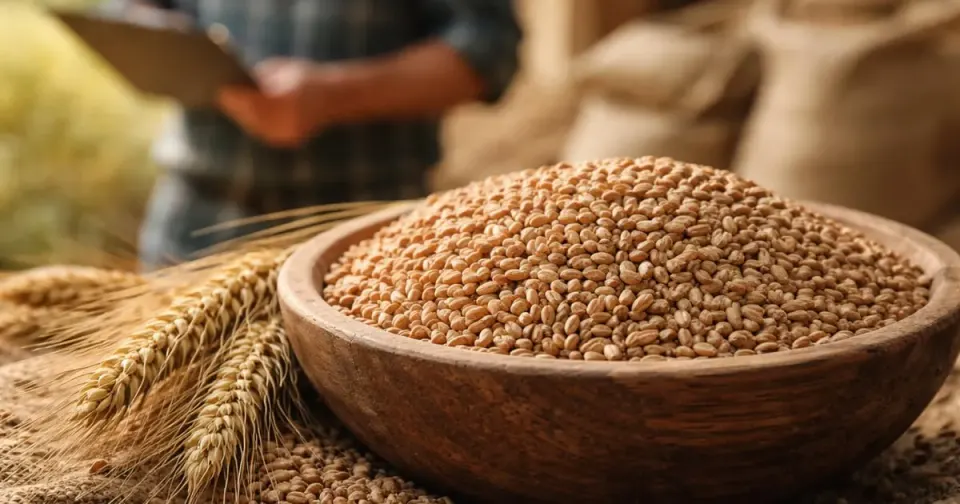
Feed-grade triticale prices in north-west Germany remained stable at 0.225 EUR/kg EXW Drentwede as of 17 September 2026, supported by firm EU feed grain sentiment, steady livestock demand, and tight coarse grain availability, according to CMB News.
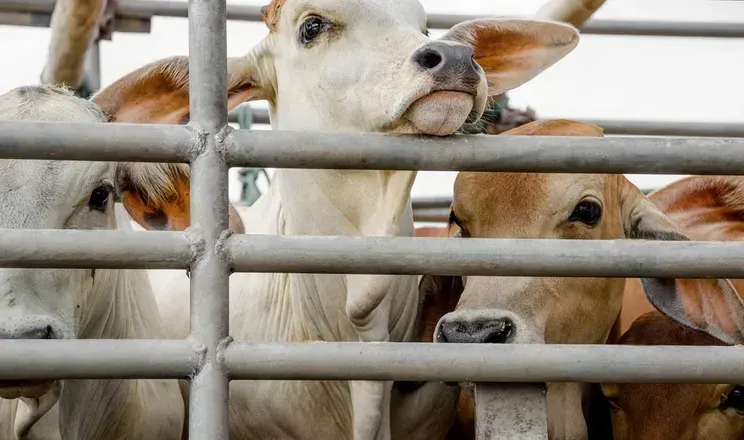
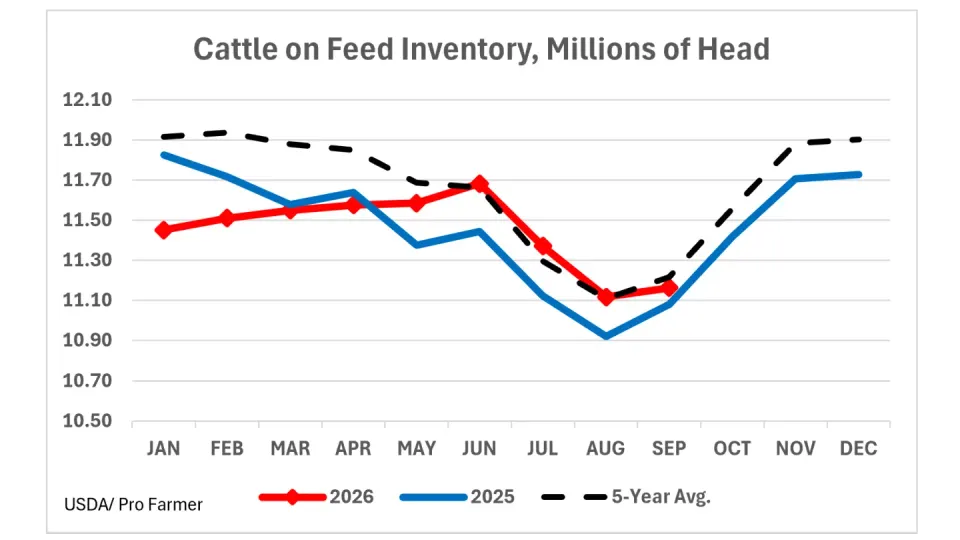
USDA's September 2026 Cattle on Feed report shows total inventory rose just 1% year-over-year to 11.163 million head, while August placements fell 9% to a record low of 1.617 million head — the smallest figure for that month since data collection began in 1996. Both results came in below analyst expectations, adding pressure to cattle futures markets already dealing with weak boxed beef demand.