German Feed-Grade Triticale Holds Steady at 0.225 EUR/kg EXW Drentwede
Feed-grade triticale prices in north-west Germany remained stable at 0.225 EUR/kg EXW Drentwede as of 17 September 2026, supported by firm EU feed grain sentiment, steady livestock demand, and tight coarse grain availability, according to CMB News.

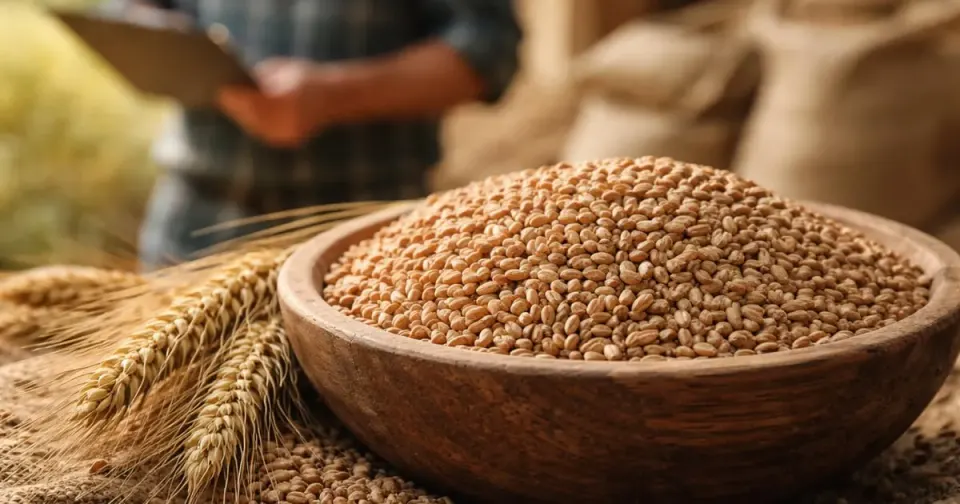
Feed-grade triticale prices in north-west Germany held firm at 0.225 EUR/kg EXW at Drentwede, Lower Saxony, as of 17 September 2026, according to CMB News, with the market described as trading sideways and showing only marginal day-to-day movement.
CMB News reported the price as "unchanged from the previous day and just below early-September highs in the same location," noting that "regional German listings confirm a firm but not spiking triticale market, with values in northern Germany broadly aligned and southern regions trading slightly lower on ample local supply."
The price stability is underpinned by several demand-side factors. According to the source, "firm maize and other coarse grain values across Europe continue to support triticale's attractiveness in feed rations," while "livestock feed demand in Germany remains stable, with compound feed production figures indicating resilient usage despite structural pressure in the pig sector." The report added that triticale "continues to price competitively against feed wheat and barley, underpinning steady inclusion in rations."
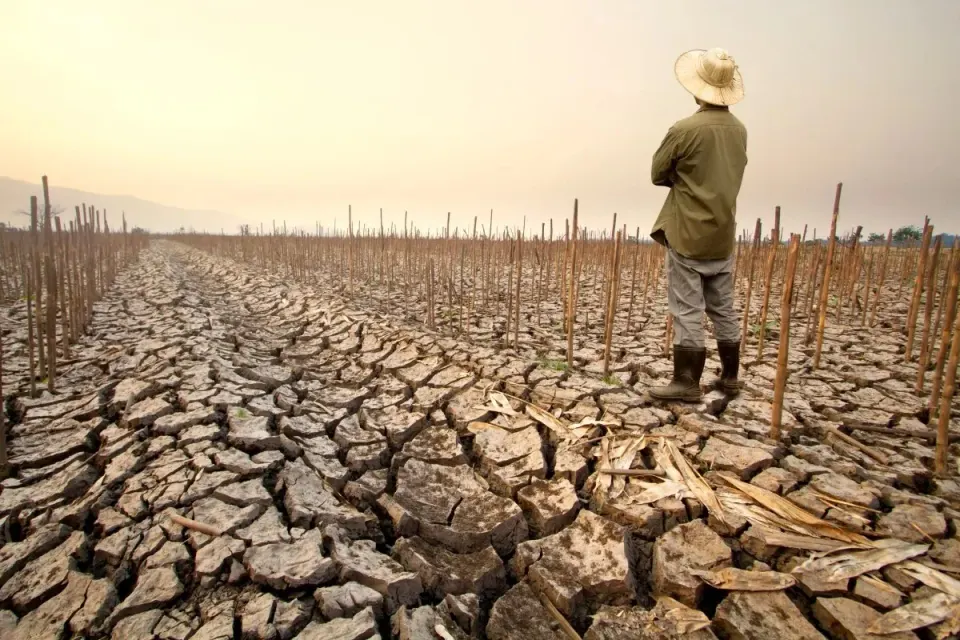
On the supply side, CMB News noted that "recent German commentary points to an overall solid cereals harvest but with cost pressure and localized dryness earlier in the season, limiting aggressive sales at current price levels." Poland–Germany grain flows were acknowledged as relevant to the EU triticale balance, though the source described them as "not large enough to drastically change German balance in the very short term."
Mid-September weather conditions in Lower Saxony — characterised by the source as "mild temperatures around the high teens Celsius, frequent cloud cover and light showers, with daily rainfall generally below 5 mm" — were described as supportive for late fieldwork and storage, without creating new yield or quality risks for already-harvested triticale. The source noted that "slightly damp conditions may slow on-farm handling but are not expected to materially tighten local spot availability."
CMB News described the very near-term outlook as "a broadly sideways market with a mildly softer bias if external feed grains ease," adding that "triticale values are expected to remain broadly range-bound in the coming days, with only marginal downside risk unless external markets correct more sharply."
Prepared with AI assistance and reviewed by the editorial team.