India's 2026 southwest monsoon has fallen roughly 15% below normal, reducing kharif maize sowings by around 2.2% and raising domestic supply concerns. Meanwhile, Ukrainian and EU corn prices have eased, keeping global feed grain markets broadly soft despite the weather-driven uncertainty in South Asia.
A new analysis of EU RASFF data covering 2020–2024 finds that aflatoxins accounted for 84 percent of mycotoxin-related food and feed notifications, with products originating outside the EU implicated in 90 percent of cases. Researchers from the University of Córdoba and CSIC found no statistically significant long-term upward trend in notifications despite a record 663 in 2024.
The European Commission has published Commission Implementing Regulation (EU) 2026/2084, adopted on 18 September 2026 and published on 21 September 2026, renewing the authorisation of three forms of vitamin E as additives in animal feed for all species across the EU. The regulation replaces Regulation (EU) 2015/1152 and requires feed manufacturers, distributors and farmers to update their technical documentation and compliance references.
An unprecedented drought in Austria has sharply reduced 2026 autumn crop yields, with potatoes down 50–70%, soybeans more than 50%, and grain maize nearly 30% versus the five-year average. The shortfalls are tightening feed ingredient and raw material availability for domestic processors and neighbouring EU markets, pushing up procurement costs for livestock producers and feed formulators.
Japanese feed manufacturer Chubu Shiryo Co., Ltd. has announced plans to set up a wholly owned subsidiary in Haikou, Hainan, to manufacture and sell compound aquafeeds for the Chinese market. The new entity, Chubu Shiryo (Hainan) Co., Ltd., is expected to be established in October 2026 with registered capital of CNY 60 million.
China's state grain reserve operator Sinograin has resumed large-scale soybean auctions, including a tranche of around 543,000 tonnes of 2023–2025 crop beans, in a move analysts say is designed to rotate aging stocks and free silo capacity ahead of potential fresh US arrivals. With China estimated to be roughly halfway toward a 25 MMT US soybean purchase commitment, market participants are closely watching upcoming high-level US–China talks for any signal on tariff relief, which could quickly accelerate buying and tighten US export capacity.
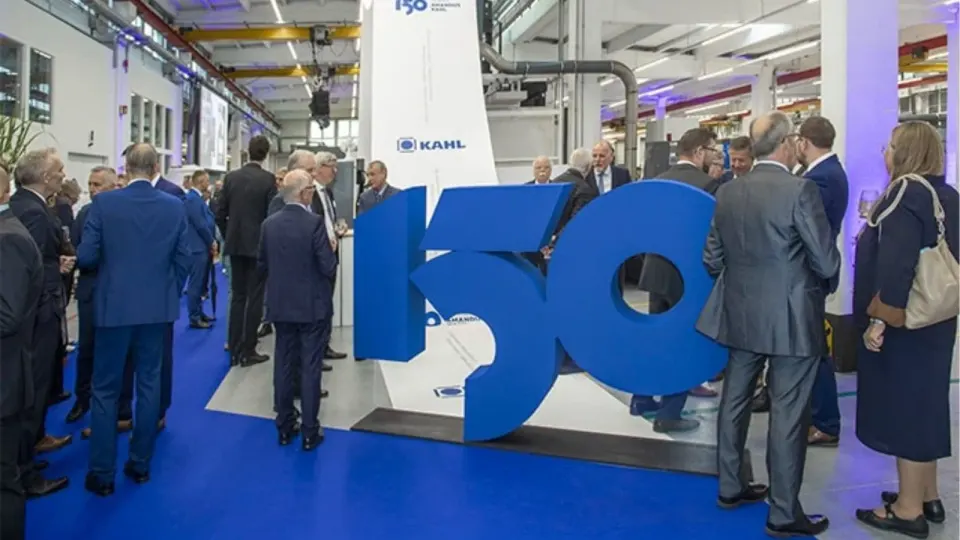
German feed processing equipment manufacturer Amandus Kahl celebrated its 150th anniversary in Reinbek from 3–5 September 2026, announcing plans to invest more than €10 million in a new technical centre at its German headquarters.
Animal nutrition and feed additives company Adisseo has named Li Bo as its new chairman and chief executive officer, succeeding Dr. Hao Zhigang. Li was elected to the board chairmanship on 11 September 2026 and will assume the CEO role on 1 November 2026, bringing experience from the energy and chemicals sectors to lead the company's methionine, specialties, and vitamin businesses.
The European Commission has formally authorised L-isoleucine produced by fermentation with the bacterial strain Corynebacterium glutamicum CCTCC M 2022764 as a zootechnical additive in animal feed for all species, under Implementation Regulation (EU) 2026/2087 dated 18 September 2026.
A new Portuguese initiative, the Food4Thought project, is working with secondary-school and university students to counter misinformation about farmed fish and insects as food sources, using a three-stage educational approach backed by scientific evidence.
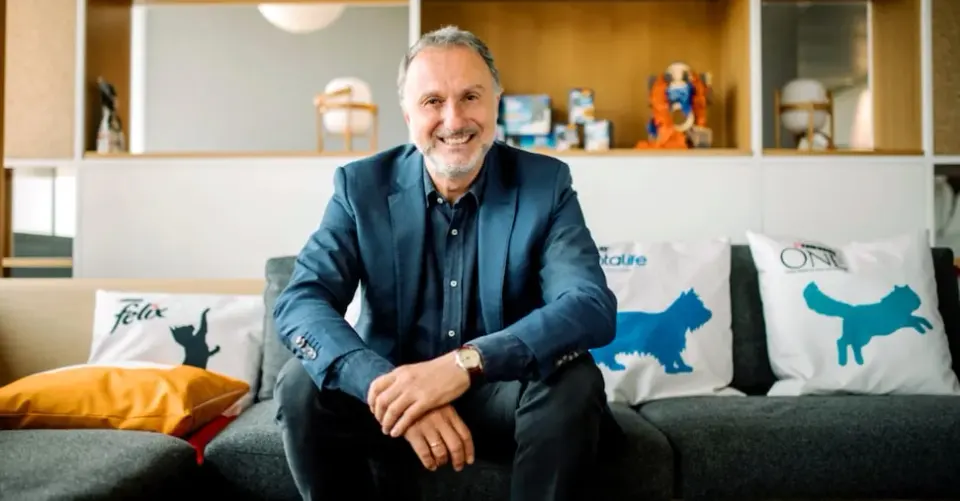
Nestlé Purina has announced a €50 million investment programme at its Portogruaro factory in Veneto, Italy, to be completed by 2029. The spending will fund an expansion into the super-premium dry pet food segment and a new on-site wastewater treatment plant, reinforcing the site's role as a European production hub as the company also advances a separate new factory in Mantua.
The European Commission has formally authorised nutmeg essential oil (Myristica fragrans Houtt.) as a sensory additive in animal feed for all species under Implementing Regulation (EU) 2026/2076, adopted on 17 September 2026. Feed manufacturers across the EU may now incorporate the ingredient subject to the technical conditions and dosage requirements set out in the regulation.