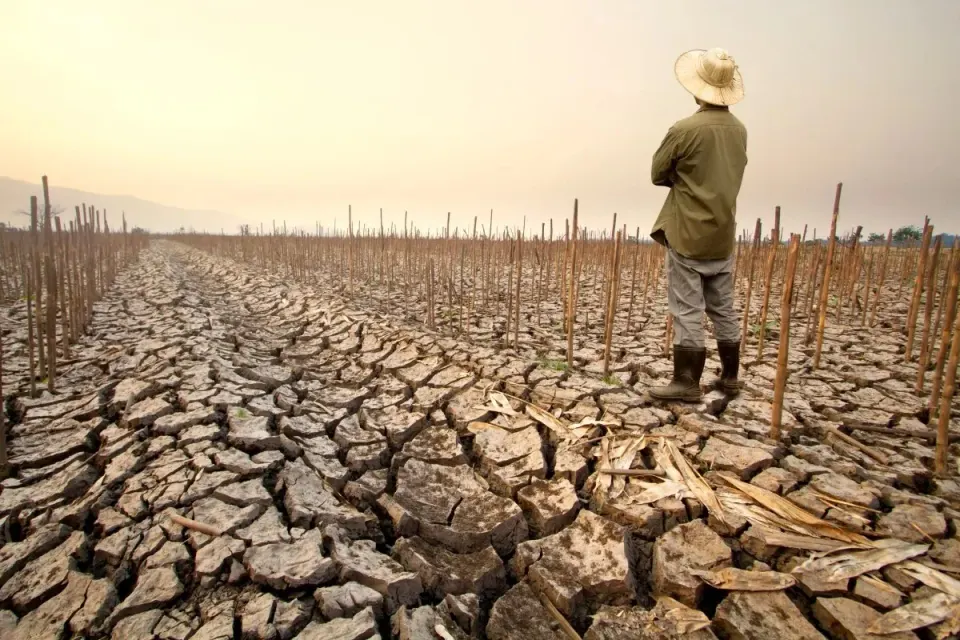
Austria's 2026 Record Drought Cuts Autumn Crop Yields, Squeezing Feed and Food Supply Across Central Europe
An unprecedented drought in Austria has sharply reduced 2026 autumn crop yields, with potatoes down 50–70%, soybeans more than 50%, and grain maize nearly 30% versus the five-year average. The shortfalls are tightening feed ingredient and raw material availability for domestic processors and neighbouring EU markets, pushing up procurement costs for livestock producers and feed formulators.

Austria's agricultural sector has been struck by a record drought following an exceptionally hot and dry summer, severely reducing autumn crop yields and squeezing feed and food supply across Central Europe, according to a report published on 21 September 2026 by CMB News.
The Austrian Chamber of Agriculture reports that yields for key autumn field crops have fallen much more sharply than previously forecast, with some harvests now described as a "dramatic crop failure." The worst impacts are concentrated in eastern and north-eastern regions, which are important for maize, soybeans, potatoes and sugar beet.
Scale of Crop Losses
According to the Chamber of Agriculture, Austrian potato yields in 2026 are expected to decline by 50–70% compared with the five-year average. Total grain maize output could fall by nearly 30%, while soybean production is forecast to drop by more than 50%. Sugar beet production is also projected to drop by up to around half versus last year, exacerbated by earlier reductions in planted area and factory closures.
In some areas, farm-level reports indicate that potato yields are below 50% of last year's volumes, leaving packing stations and processors under-supplied and facing higher unit handling costs. The 2026 wine harvest is estimated around one quarter below the medium-term average, reinforcing overall agricultural tightness.
Feed Industry Implications
The CMB News report states that livestock producers are adjusting rations, substituting roughage and by-products for scarce maize silage and feed grains, which may shift demand towards imported feed components. For maize and soybeans, export-oriented flows from eastern Austria to neighbouring EU countries are likely to be trimmed, as domestic feed and crushing industries absorb more of the reduced crop.
Non-GM Austrian soybeans — a speciality valued by feed formulators seeking certified identity-preserved material — face particularly constrained availability, with CMB noting that buyers face a need to re-route imports within the EU and extend procurement radii.
Supply Chain and Trade Flows
The report notes that lower sugar beet volumes mean lower beet deliveries to the Tulln refinery and diminished regional sugar output. Transport firms may see fewer outbound bulk loads from Austria and more inbound shipments from alternative EU origins, altering normal logistics patterns on key road and rail corridors.
For Central Europe, Austria typically acts as both a consumer and supplier of high-quality potatoes, grains, oilseeds and sugar beet products. In 2026, reduced export potential means neighbouring importers — especially in Germany, Italy, Slovenia, Hungary and the Czech Republic — may receive fewer Austrian-origin cargoes and must turn more to alternative EU sources such as France, Poland or Romania, according to the CMB analysis.
Within Austria, downstream processors including starch, sugar, crushers, beverage and fruit processors are expected to compete more aggressively for limited raw material, raising basis levels and narrowing export margins.
Price Outlook
CMB News says that in the short term, Austrian and regional prices for drought-affected crops are likely to remain firm to strong as end-users secure coverage and assess final harvest figures. Spot availability for processing potatoes, quality maize, non-GM soy and beet sugar is expected to be limited, keeping basis quotations elevated versus broader EU benchmarks.
Volatility may be heightened as new yield data emerge during the ongoing harvest and as trade flows adjust, especially if competing origins also experience weather-related issues, the report adds.
Prepared with AI assistance and reviewed by the editorial team.