Portuguese Food4Thought project targets student misconceptions about farmed fish and insects
A new Portuguese initiative, the Food4Thought project, is working with secondary-school and university students to counter misinformation about farmed fish and insects as food sources, using a three-stage educational approach backed by scientific evidence.

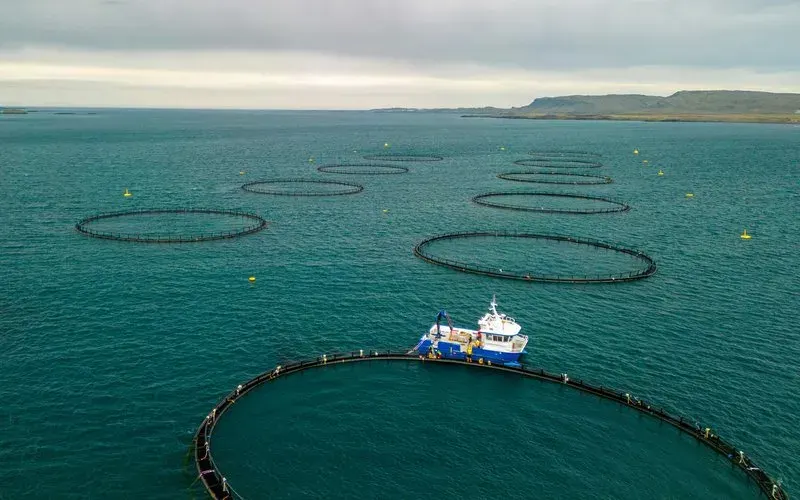
A Portuguese research and education project is setting out to challenge consumer misconceptions about aquaculture products and edible insects, focusing its outreach on young people in secondary and higher education.
The Food4Thought project, funded by the Egas Moniz School of Health & Science and developed in partnership with B2E – Blue Bioeconomy CoLAB and Thunder Foods, aims to use scientific evidence to shift how students aged 16 and older perceive farmed fish and insects as food sources.
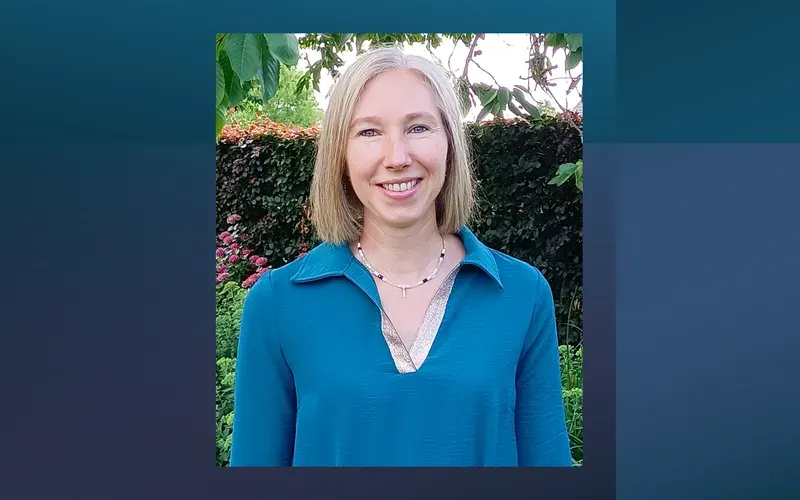
Project lead Elisabete Matos framed the effort in terms of long-term food security. "As the population grows and the need for protein for human consumption increases, every source will have to grow: aquaculture, fisheries, livestock production and insects too," she said. "What we want is for sustainable production to grow, because otherwise we will struggle to feed the population in the long term. We can never depend on a single type of protein, but on a variety of solutions."
The project identifies distinct barriers facing the two sectors. For insects, the primary obstacle is described as emotional rather than rational, centred on consumer "disgust." For farmed fish, the project points to misinformation and outdated information — particularly around food safety, antibiotic use, and hormones — as the key challenges. "With aquaculture, the challenge is about food-safety concerns, the use, or non-use, of antibiotics and hormones, and other myths that leave consumers uneasy," Matos said.
The broader context for the project, according to the source, is that wild capture fisheries are at their limit, meaning rising global protein demand will need to be met by aquaculture, livestock farming, and alternative sources such as insects. If consumer acceptance does not keep pace, the project warns, aquaculture growth could stall and place additional pressure on wild fish stocks, while limited acceptance of insects could threaten the economic viability of a locally produced, circular-economy-aligned protein source.
Food4Thought will employ a three-stage methodology: first surveying students' existing views, then designing an educational intervention based on those findings, and finally re-measuring attitudes to assess change. The fieldwork will span one secondary school and two higher-education institutions.
Matos described the project's ambitions beyond its immediate scope. "Even though this is a small project with a modest budget, our goal is for the intervention to then be used by any other school or university interested in exploring these topics," she said.
Prepared with AI assistance and reviewed by the editorial team.