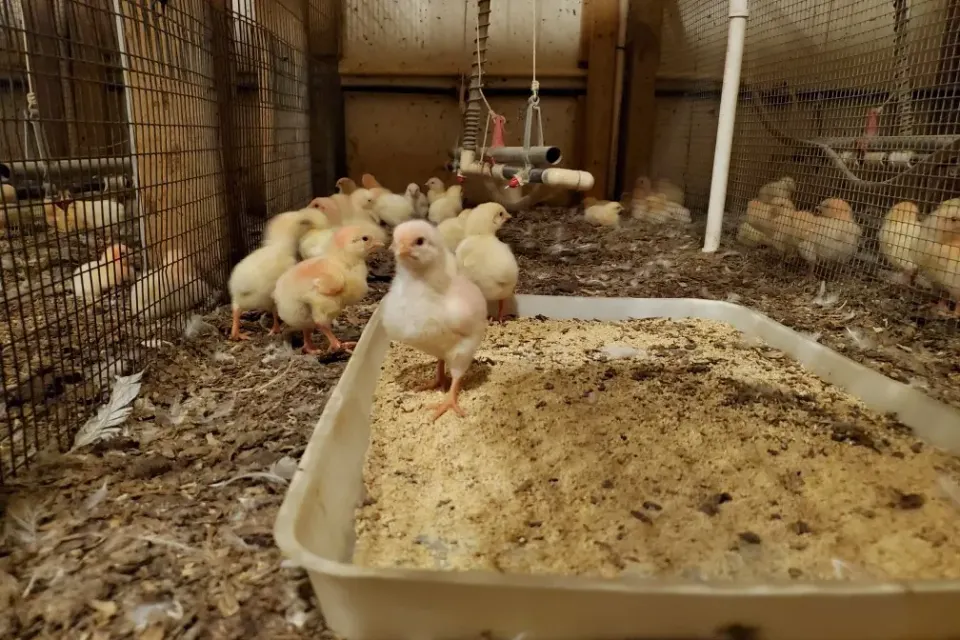
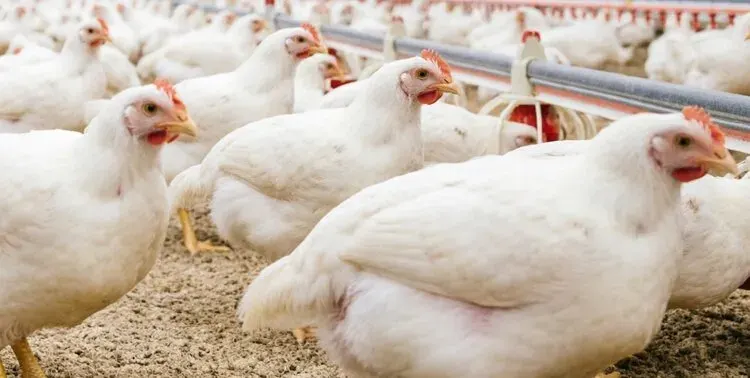
A Penn State University study published in Poultry Science found that a broiler chicken's age has a far stronger influence on its resistome than dietary additives such as antibiotics, probiotics, or essential oils, lending support to further investigation of antibiotic alternatives in poultry production.
ACTIPRO, the animal nutrition brand of VEOS Group, and European feed manufacturer VERONESI have announced a strategic partnership to integrate upcycled egg powder into aquaculture feed formulations. The collaboration, unveiled at the Aquaculture Europe 2026 conference in Ljubljana, Slovenia, creates a closed-loop supply chain in which egg by-products from the Veronesi Group are processed by ACTIPRO into a functional egg powder and returned to VERONESI for inclusion in its aqua feed lines.
France-based Innovafeed and Dutch company Protix have jointly published a white paper arguing that current life cycle assessments of insect-derived feed ingredients rely on outdated pilot-scale data and fail to capture real-world sustainability gains already achieved at industrial scale, including a reduction in Innovafeed's carbon intensity by a factor of five since 2022.
Agricultural commodity futures posted sharply divergent results in the week ending 25 September 2026, with November soybeans gaining 15½ cents to $13.19 per bushel and November feeder cattle surging nearly $14, while wheat contracts fell as much as 27¾ cents. China trade developments, harvest-season supply pressure, and commodity-specific fundamentals drove the split outcomes, according to a weekly market analysis published by Ag Bull on 26 September 2026.
NRGene Canada and Ile-a-la-Crosse Fish Company have validated a black soldier fly feed recipe built around local fish processing byproducts at semi-industrial scale, producing larvae containing marine omega-3 fatty acids EPA and DHA for use as a poultry feed supplement.
Norwegian technology company Goodtech has been awarded a contract valued at NOK 20–30 million (USD 2.1–3.2 million) to upgrade digital control and automation systems at an aquafeed production facility in Norway. Work begins in September 2026 and is expected to finish by April 2027.
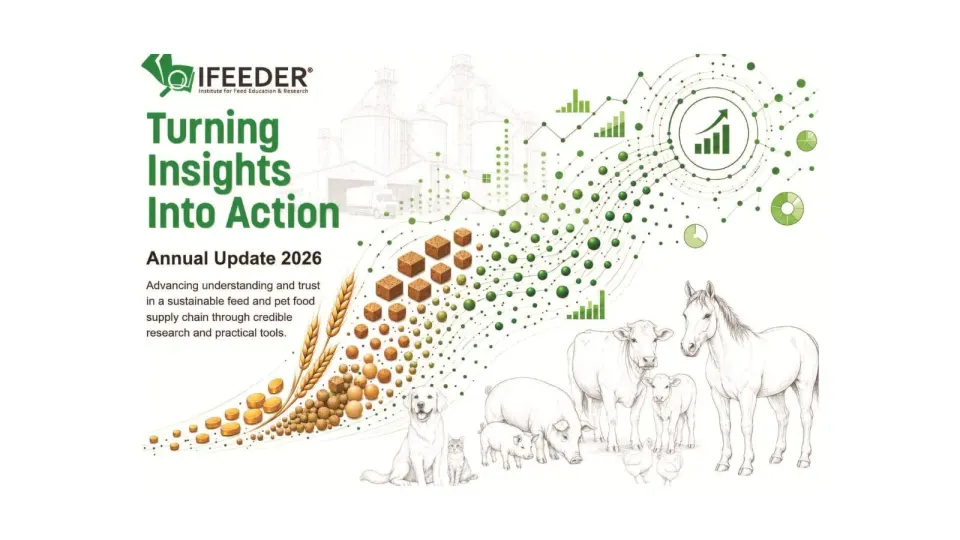
The Institute for Feed Education & Research (IFEEDER) has released its 2026 annual update alongside a five-year strategic plan aimed at expanding research, education and industry partnerships to build a more resilient animal feed and pet food supply chain in the United States.
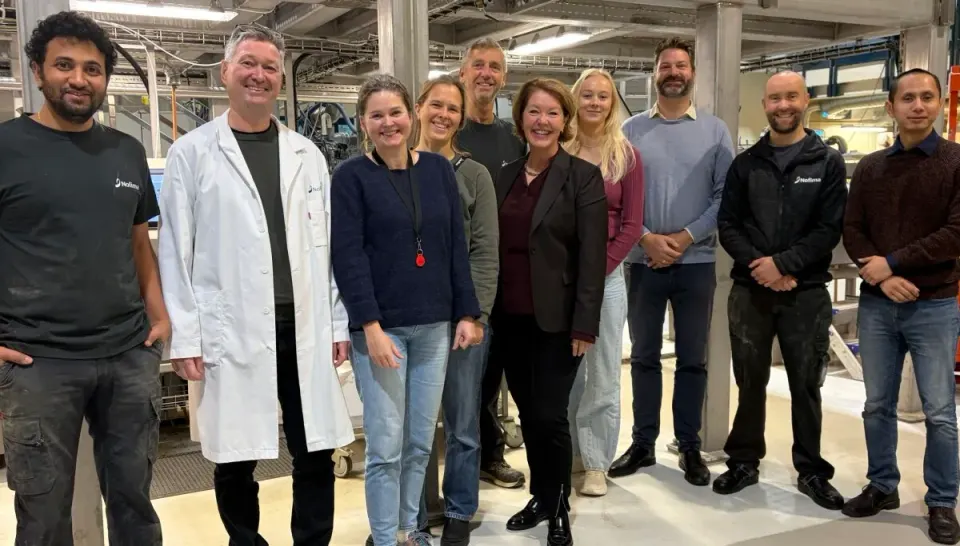
The Research Council of Norway has awarded NOK 58.851m (£4.62m) to a consortium led by Nofima, NORCE, and the University of Bergen to develop a second phase of the Aquafeed Technology Centre, strengthening Norway's national research infrastructure for sustainable aquafeed ingredient development and testing.
The second day of the Compound Livestock Feed Manufacturers Association (CLFMA) of India's 67th National Symposium in Mumbai brought together policymakers, industry leaders, scientists and farmers to address feed security, artificial intelligence, veterinary capacity and government-industry collaboration in India's animal-agriculture sector.
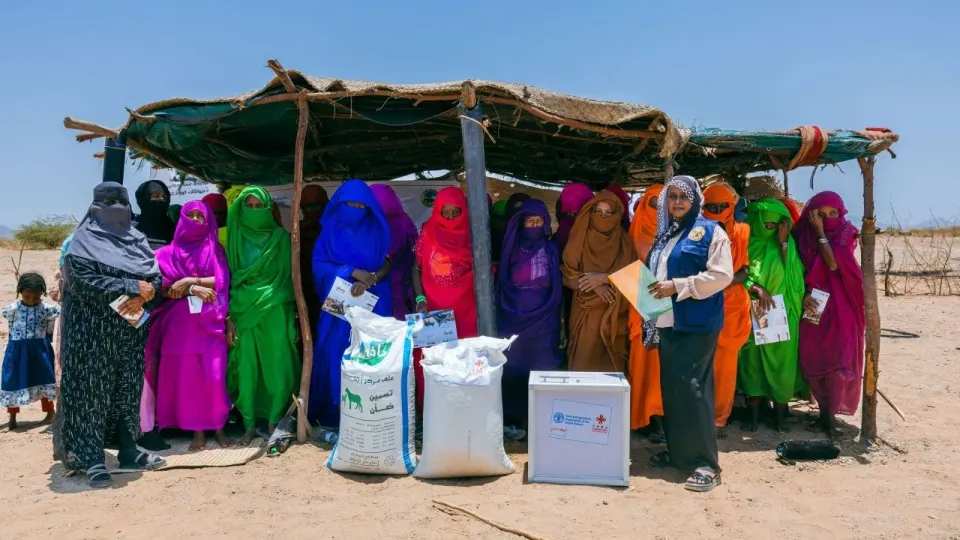
The UN Food and Agriculture Organization has distributed 100 tonnes of concentrated animal feed to 3,200 agropastoral households in Sudan's Red Sea State to protect livestock and sustain milk production amid drought-driven feed shortages, with the programme backed by US$2 million in emergency funding from the Government of China.
A Chinese study published in September 2026 reports that single-cell protein derived from the bacterium Ralstonia eutropha H16 can substitute soybean meal in broiler chicken diets at inclusion levels up to 8%, maintaining growth performance while improving antioxidant capacity, immune status, and gut health.
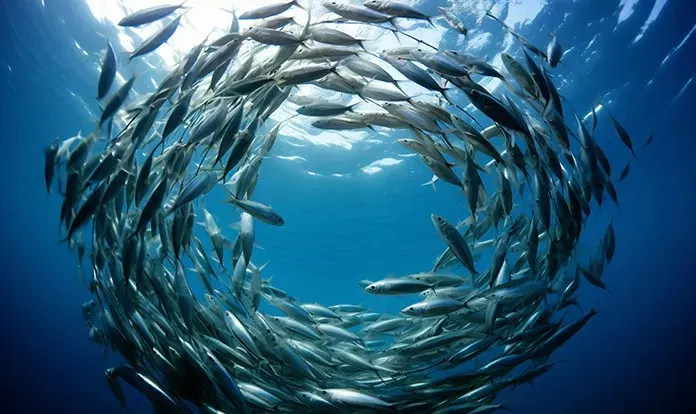
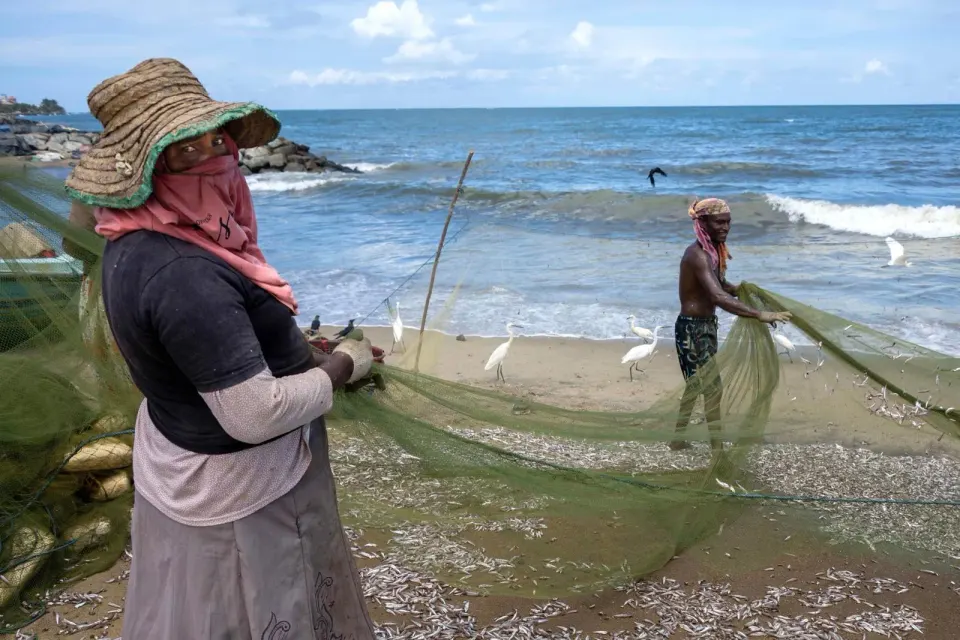
A report by the Changing Markets Foundation, produced with University of British Columbia researchers, warns that wild-caught fish used for aquaculture feed could rise sharply by 2040 if growth concentrates in carnivorous species such as salmon, shrimp, sea bream and sea bass. The FAO has disputed the interpretation of a 75% growth figure cited in the report, and the findings have sharpened debate over species choice, feed composition, and the impact on small-scale fishing communities.