ACTIPRO and VERONESI launch circular aquaculture feed partnership using upcycled egg powder
ACTIPRO, the animal nutrition brand of VEOS Group, and European feed manufacturer VERONESI have announced a strategic partnership to integrate upcycled egg powder into aquaculture feed formulations. The collaboration, unveiled at the Aquaculture Europe 2026 conference in Ljubljana, Slovenia, creates a closed-loop supply chain in which egg by-products from the Veronesi Group are processed by ACTIPRO into a functional egg powder and returned to VERONESI for inclusion in its aqua feed lines.

ACTIPRO, the specialised animal nutrition brand of the VEOS Group, and VERONESI, a European feed manufacturer, have announced a strategic partnership to incorporate upcycled egg powder into VERONESI's aquaculture feed lines. The collaboration was unveiled as the Aquaculture Europe 2026 (AE2026) conference opened in Ljubljana, Slovenia, where it runs from 28 September to 1 October 2026.
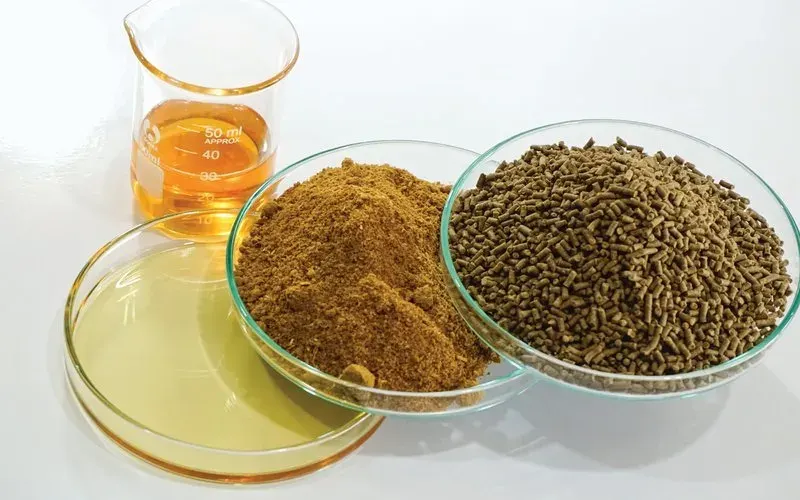
Under the arrangement, ACTIPRO sources egg by-products directly from the Veronesi Group, processes them into what the partners describe as a highly digestible, nutrient-dense functional egg powder, and then supplies that upcycled ingredient back to VERONESI for use in its specialised aquaculture feeds. The companies say the design constitutes a closed-loop, circular supply chain intended to reduce waste, optimise resource efficiency, and lower the environmental footprint associated with conventional feed ingredient sourcing.
Alex Diana, Lead Product Manager for ACTIPRO at VEOS Group, said the arrangement illustrates how circular economic principles can operate at industrial scale. "By capturing egg by-products from VERONESI and upcycling them into a premium functional egg powder, we are minimising environmental impact while delivering an exceptional, highly digestible ingredient that provides proteins and fats on top of bioactive components," Diana said. "It's a win-win for sustainability and animal nutrition."
Dr. Roberto Cerri, Product Manager Aquafeed at VERONESI, said traceability was a key benefit of the model. "Closing the loop within our own egg-producing ecosystem allows us to guarantee ingredient traceability and minimise waste," Cerri stated. He added that the company had already received feedback from aquaculture farmers: "We have already received highly positive feedback from aquaculture farmers utilising our new aquafeed lines, who report excellent feed performance and animal health."
According to the partners, egg powder is naturally rich in essential amino acids, lipids, and bioactive compounds, making it a high-performance ingredient in feed formulations where lower-carbon protein alternatives are in demand. Representatives from ACTIPRO said they would present life cycle assessment (LCA) data and carbon footprint reduction strategies at the AE2026 trade exhibition.
The conference is being held under the theme of "Aquaculture in Global Change," and the partners say the collaboration answers the industry's growing need for resilient, reduced-footprint supply chains and innovative nutrient recycling approaches.
Prepared with AI assistance by Endata and reviewed by the editorial team.