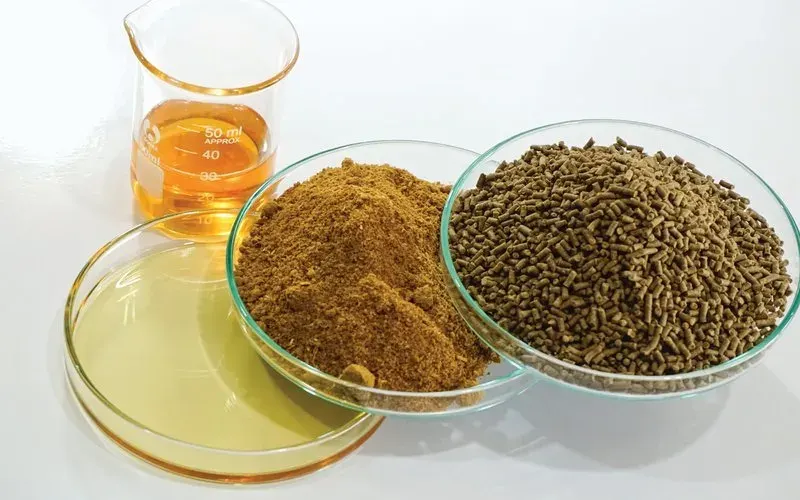
A peer-reviewed study by researchers from the University of Porto, CIIMAR, and the University of Florence, in collaboration with EPAX®, found that fatty acid ethyl ester (FAEE) oil — a byproduct of omega-3 supplement production — can completely replace fish oil in juvenile European seabass diets without impairing growth, feed utilization, or nutrient digestibility. However, the substitution significantly reduced muscle DHA levels, pointing to a potential nutritional quality trade-off that may require mitigation.
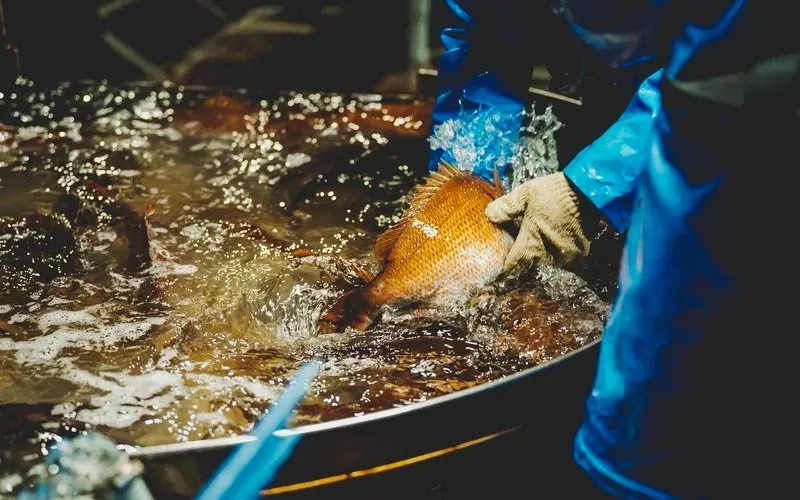
Japan's Dainichi Corporation is competing in the F3 Fish Farm Challenge 2025–2027, raising red seabream from juvenile stage to harvest on a diet free of marine-animal ingredients. The company is using soy protein concentrate and black soldier fly meal as principal alternatives, has invested in ingredient supplier Protenga, and is trialling AI-assisted feeding alongside hand feeding to optimise performance.
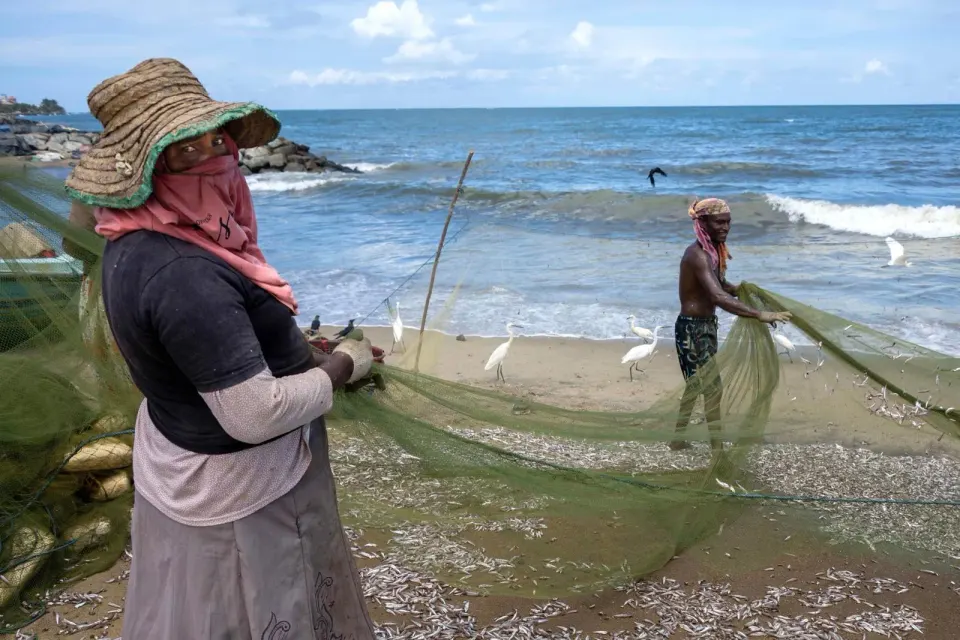
A report by the Changing Markets Foundation, produced with University of British Columbia researchers, warns that wild-caught fish used for aquaculture feed could rise sharply by 2040 if growth concentrates in carnivorous species such as salmon, shrimp, sea bream and sea bass. The FAO has disputed the interpretation of a 75% growth figure cited in the report, and the findings have sharpened debate over species choice, feed composition, and the impact on small-scale fishing communities.
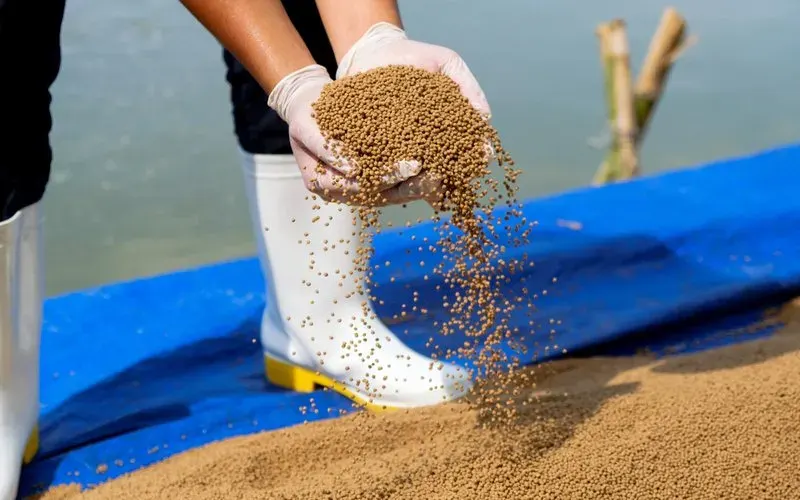
A European Commission study completed in June 2026 estimates that feed demand for ten key farmed species in the EU grew from under 900,000 tonnes in 2013 to almost 1.1 million tonnes in 2023. The report identifies plant ingredients as now comprising the majority of material demand, while highlighting cost, scalability and regulatory hurdles facing alternative proteins and oils.
The Philippines is exploring a more diversified aquafeed ingredient base as El Niño, global supply disruptions, and import dependence increase pressure on conventional feed sources, according to Ateneo de Manila University associate professor Janice A. Ragaza.
A European Commission study completed in June 2026 estimates that feed demand for ten key farmed species in the EU grew from under 900,000 tonnes in 2013 to almost 1.1 million tonnes in 2023, while identifying plant ingredients, cost, regulation and supply-chain exposure as central challenges for the sector's future.
A report by the UK-based Changing Markets Foundation, prepared with researchers from the University of British Columbia, warns that up to 46% of the world's wild fish catch could be redirected to aquaculture feed by 2040 if farming of predatory species such as salmon and shrimp continues to expand. The findings were released in Rome ahead of a meeting of the FAO Committee on Fisheries. The FAO has pushed back on some of the study's framing, clarifying its actual 2030 growth targets and questioning whether marine ingredient volumes would necessarily rise.
Global fishmeal production dropped 49% year on year in the first seven months of 2026 as El Niño-linked warm waters and juvenile fish disrupted Peru's anchoveta season, with fish oil output also falling 30%. IFFO says Asian fishing activity in Q4 may partially offset the South American shortfall.
IFFO – The Marine Ingredients Organization reports that fishmeal production in the first seven months of 2026 is down 49 percent year-on-year, while fish oil output has fallen 30 percent, with declines driven primarily by Peru and Chile and compounded by softer catches in Africa and Northern Europe.
A new IndexBox market report projects the global multi-enzyme complexes for aquafeed market will grow at a compound annual growth rate of 7.5–9.0%, with the baseline scenario estimate at 8.2%, between 2026 and 2035. Growth is fuelled by rising aquaculture output, pressure to reduce feed costs, and a shift toward customised enzyme blends. Asia-Pacific holds an estimated 55% share of demand, while Latin America, the Middle East, and Africa are identified as the fastest-growing regions.
US poultry by-product meal prices climbed close to all-time highs in early September 2026, rising 18.7% in a month as constrained global fishmeal availability pushed aquafeed formulators toward alternative proteins. Both IFFO and the FAO flagged continued tightness in fishmeal markets, driven by lower fishing quotas in South America and sustained aquaculture demand in China.