Feed-grade triticale prices in north-west Germany remained stable at 0.225 EUR/kg EXW Drentwede as of 17 September 2026, supported by firm EU feed grain sentiment, steady livestock demand, and tight coarse grain availability, according to CMB News.
German feed rye EXW prices have firmed modestly in northern regions, while Ukrainian rye offered FOB Odesa has ticked up slightly, as ample EU grain supply and persistent Black Sea risk premia shape a cautious but balanced rye market heading into late September 2026.
The U.S. Grains & BioProducts Council visited Nigerian feed industry stakeholders in September 2026 to promote least-cost formulation using U.S. corn, sorghum and co-products, including DDGS and corn gluten meal, ahead of an anticipated medium-term capacity increase of up to 1.5 million metric tons.
The Rural Mainstreet Index fell to 44.7 in September 2026, slipping back below the growth-neutral threshold of 50.0 for the fourth time in six months, as rising fertiliser and fuel costs outweighed optimism from higher grain prices, according to Creighton University's monthly survey of rural bank CEOs.
Ukrainian soybean prices at Odesa are softening modestly as alternative Black Sea export routes inch toward greater capacity, now handling around 40% of normal agricultural volumes, while seasonal harvest pressure adds fresh supply into a still-constrained logistics system.
Grain futures moved higher overnight on September 16, 2026, led by a surging soybean meal market that reached a 2.5-year high. Corn, soybeans, and wheat also posted gains, while market participants awaited the Federal Reserve's anticipated interest rate decision. Ongoing heavy rainfall in the Corn Belt, elevated crude oil prices tied to Middle East supply disruptions, and developing U.S.-China trade talks added further context to commodity market moves.
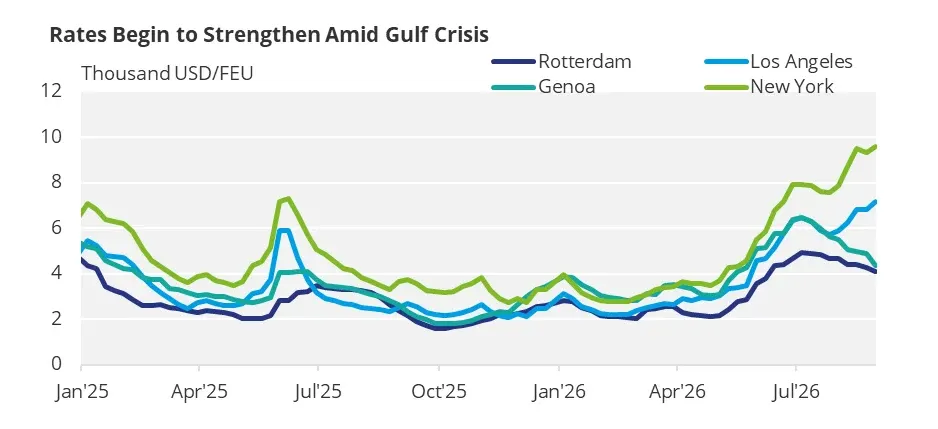
A rapidly intensifying El Niño is tightening water levels at the Panama Canal and prompting precautionary draft restrictions, according to an analysis by agribusiness consultant Alê Delara published by CZ App on 17 September 2026. The weather event could raise US Gulf-to-Asia shipping costs, eroding US soybean and corn competitiveness and redirecting Asian demand toward Brazil — but the same climate risks that could lift Brazilian export premiums also threaten its domestic harvest and push up farm input costs.
U.S. corn and soybean futures rebounded on Monday, 14 September 2026, driven by technical buying and strong export inspection data, while wheat futures moved lower amid persistent demand pressure. December corn settled at $5.3325 per bushel and November soybeans reached $13.0425, with weekly soybean export inspections surging nearly 45% above the prior week and exceeding analyst forecasts. Wheat remained under pressure as cumulative 2026/27 inspections tracked roughly 28% below last year's pace.