Freshpet's share price has dropped approximately 18% over the past month to around US$61, even as the fresh pet food manufacturer reports improving margins and continued digital sales growth. Analyst price targets remain well above the current trading level, while the company's five-year shareholder return remains deeply negative.
Indonesian agri-food group PT JAPFA has held exploratory talks with Cambodia's Ministry of Agriculture over potential investments in aquaculture, animal feed production, and related value-chain activities, reflecting a broader push to deepen ASEAN economic ties and regional food security.
India's 2026 southwest monsoon has fallen roughly 15% below normal, reducing kharif maize sowings by around 2.2% and raising domestic supply concerns. Meanwhile, Ukrainian and EU corn prices have eased, keeping global feed grain markets broadly soft despite the weather-driven uncertainty in South Asia.
An unprecedented drought in Austria has sharply reduced 2026 autumn crop yields, with potatoes down 50–70%, soybeans more than 50%, and grain maize nearly 30% versus the five-year average. The shortfalls are tightening feed ingredient and raw material availability for domestic processors and neighbouring EU markets, pushing up procurement costs for livestock producers and feed formulators.
Soybean prices are holding broadly steady, supported by strong Asian crushing margins and firm Chinese feed demand, even as Ukrainian FOB values ease and CBOT futures consolidate ahead of the US harvest. Wilmar International's H1 2026 results point to a meaningful uplift in crushing volumes and processing profits, while Brazilian planting begins under El Niño-influenced conditions.
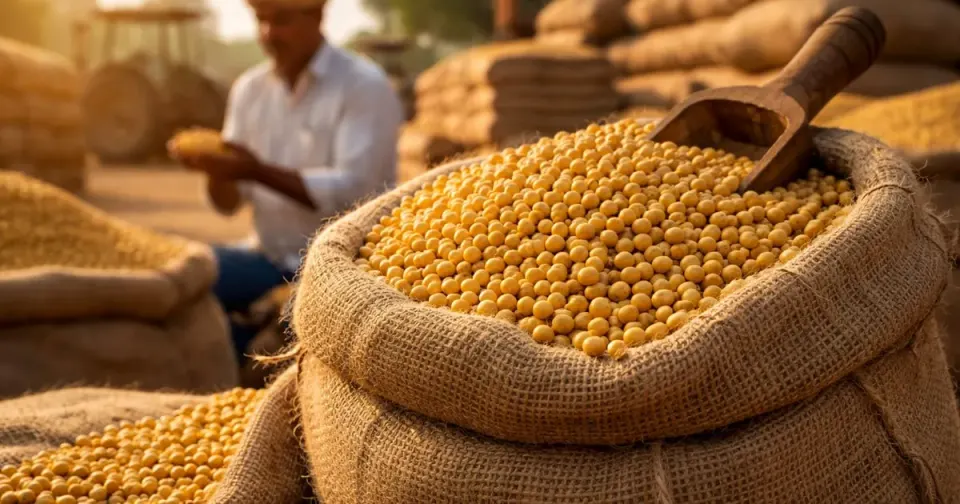
Indian soybean prices are consolidating at elevated levels in September 2026, supported by weaker domestic crop output, patchy monsoon conditions in key growing states, and trade estimates pointing to record imports approaching 1 million tonnes for the current oil year. FOB New Delhi prices for sortex-clean soybeans remain stable at 0.87 EUR/kg, well above global benchmarks, while mandi prices fluctuate around the mid-₹6,000/quintal range.
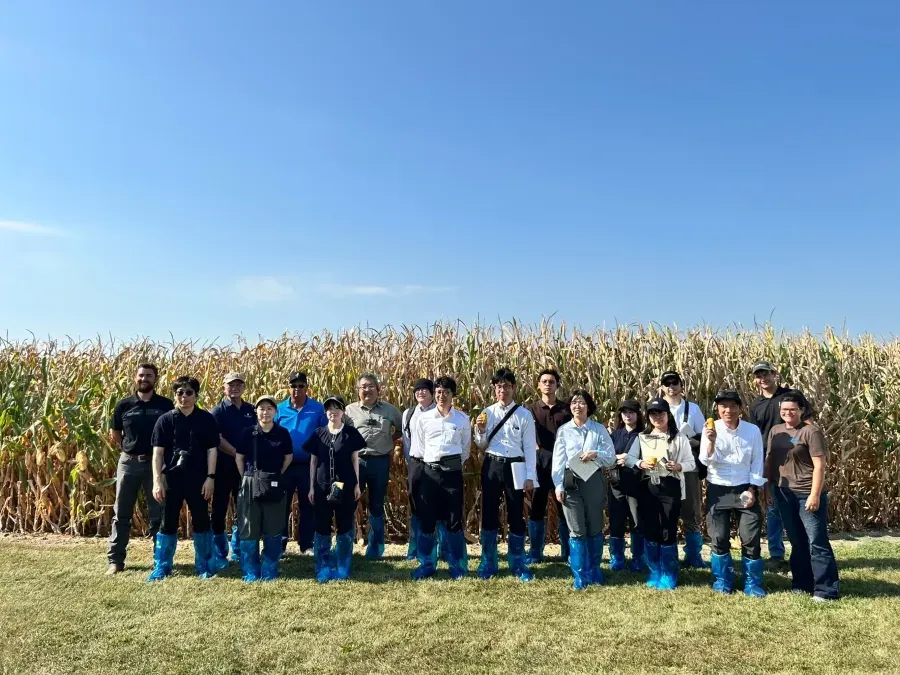
The U.S. Grains & BioProducts Council recently guided a delegation of Japanese corn food and feed end-users through sites in Iowa and Washington, exposing newer buyers to U.S. corn production, quality standards, and export logistics in a bid to strengthen long-term trade ties with Japan.
The U.S. Grains & BioProducts Council has released an evidence-based factsheet asserting that U.S. corn delivers higher yields, lower greenhouse gas emissions, faster processing times, and better feed conversion rates than corn from other major producing countries, with estimated financial benefits for wet millers and broiler producers.
Cumulative global fishmeal production fell 49% year-on-year in the first seven months of 2026, with fish oil output down 30%, driven by shortfalls in South America and weaker catches in Africa and Northern Europe. IFFO says Asian producers may partially offset the decline in Q4, but demand headwinds in China's aquaculture and pig sectors are weighing on recovery prospects.
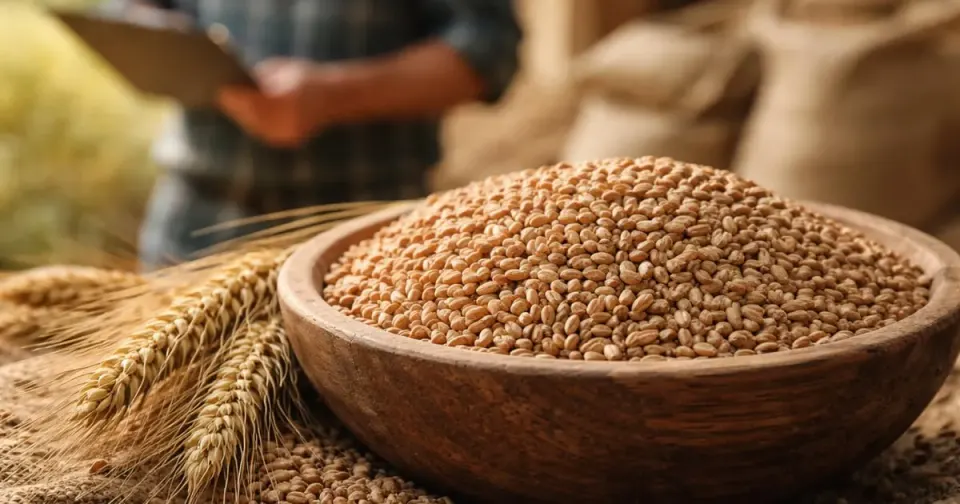
Feed-grade triticale prices in north-west Germany remained stable at 0.225 EUR/kg EXW Drentwede as of 17 September 2026, supported by firm EU feed grain sentiment, steady livestock demand, and tight coarse grain availability, according to CMB News.
German feed rye EXW prices have firmed modestly in northern regions, while Ukrainian rye offered FOB Odesa has ticked up slightly, as ample EU grain supply and persistent Black Sea risk premia shape a cautious but balanced rye market heading into late September 2026.
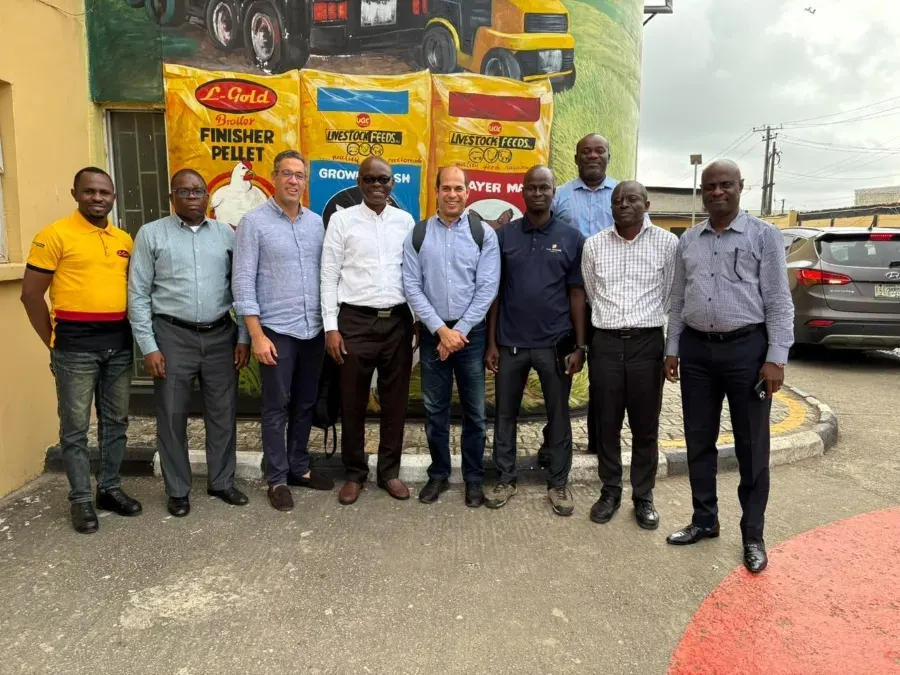
The U.S. Grains & BioProducts Council visited Nigerian feed industry stakeholders in September 2026 to promote least-cost formulation using U.S. corn, sorghum and co-products, including DDGS and corn gluten meal, ahead of an anticipated medium-term capacity increase of up to 1.5 million metric tons.