Forecast rainfall across the central and southern Plains is expected to improve seedbed conditions for 2027 hard red winter wheat planting, while the Corn Belt faces a divided harvest picture: drier conditions offer eastern growers a harvest window, but renewed moisture across Nebraska, Iowa and Minnesota threatens further delays in the west.
Ongoing shipping disruptions in the Black Sea and Red Sea are compelling wheat importers across Asia, the Middle East, and North Africa to source from more expensive origins such as the United States, Baltic states, Romania, Argentina, India, and Australia. Higher war-risk insurance premiums and freight costs are keeping physical wheat prices structurally elevated even as futures benchmarks have eased slightly from late-August highs, according to CMB News.
MDEX palm oil futures posted modest gains on 23 September 2026, with the nearby October 2026 contract settling at MYR 4,640 per tonne. A gently upward-sloping forward curve reflects competing pressures: elevated Malaysian inventories and soft exports on the bearish side, against Indonesia's imminent B50 biodiesel mandate and drier-than-normal regional weather on the supportive side.
South African SAFEX sunflower seed futures softened in late September 2026 as seasonal harvest pressure weighs on local prices, while Black Sea seed and crude oil values remain underpinned by ongoing Ukrainian port disruptions and a tightening global vegetable oil balance, according to CMB News.
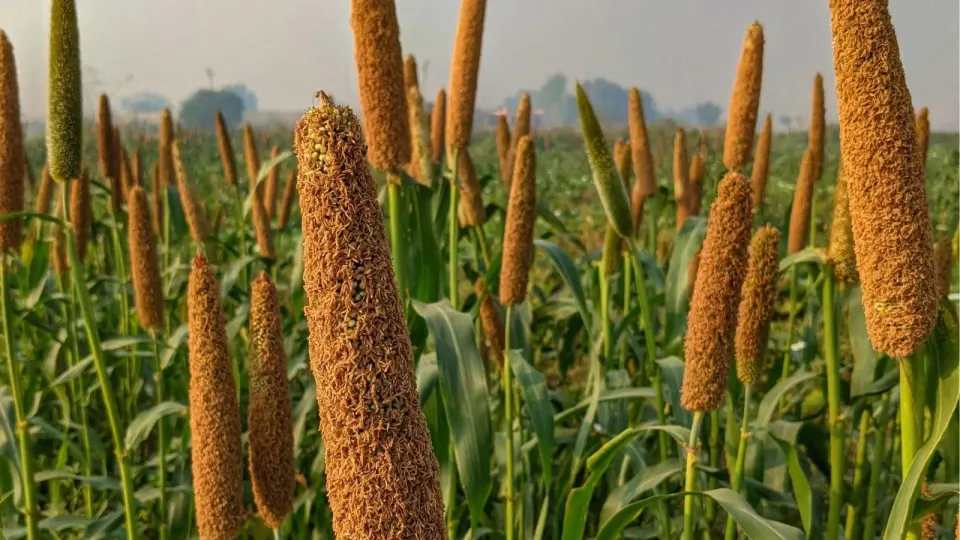
The Philippine Department of Agriculture is assessing millet as an alternative feed ingredient to corn, prompted by El Niño-related drought risks and a drive to lower livestock production costs, following Agriculture Secretary Francisco P. Tiu Laurel Jr.'s visit to India where the crop is widely used.
CBOT soybean futures held firm on 21 September 2026, with the November 2026 contract trading around 1,310 US-cent/bu, supported by record-pace U.S. export sales and continued Chinese buying, even as managed-money funds began reducing historically elevated net long positions and crude oil weakness capped gains in soybean oil.
Palm oil prices face near-term downward pressure after Malaysia reported higher August inventories and weaker exports, while speculation mounts that India could reduce import duties on edible oils, adding further headwinds to global palm prices.
India's 2026 southwest monsoon has fallen roughly 15% below normal, reducing kharif maize sowings by around 2.2% and raising domestic supply concerns. Meanwhile, Ukrainian and EU corn prices have eased, keeping global feed grain markets broadly soft despite the weather-driven uncertainty in South Asia.
An unprecedented drought in Austria has sharply reduced 2026 autumn crop yields, with potatoes down 50–70%, soybeans more than 50%, and grain maize nearly 30% versus the five-year average. The shortfalls are tightening feed ingredient and raw material availability for domestic processors and neighbouring EU markets, pushing up procurement costs for livestock producers and feed formulators.
China's state grain reserve operator Sinograin has resumed large-scale soybean auctions, including a tranche of around 543,000 tonnes of 2023–2025 crop beans, in a move analysts say is designed to rotate aging stocks and free silo capacity ahead of potential fresh US arrivals. With China estimated to be roughly halfway toward a 25 MMT US soybean purchase commitment, market participants are closely watching upcoming high-level US–China talks for any signal on tariff relief, which could quickly accelerate buying and tighten US export capacity.
Soybean prices are holding broadly steady, supported by strong Asian crushing margins and firm Chinese feed demand, even as Ukrainian FOB values ease and CBOT futures consolidate ahead of the US harvest. Wilmar International's H1 2026 results point to a meaningful uplift in crushing volumes and processing profits, while Brazilian planting begins under El Niño-influenced conditions.
Global sunflower seed output is projected to reach around 62.3 million tonnes in 2026/27, reinforcing an oilseed surplus, while Chinese confection and bakery-grade kernels command firm premiums. Black Sea logistics disruptions and export taxes continue to add volatility to trade flows, with China's role as an alternative supplier seen as a potential source of growing pricing power.