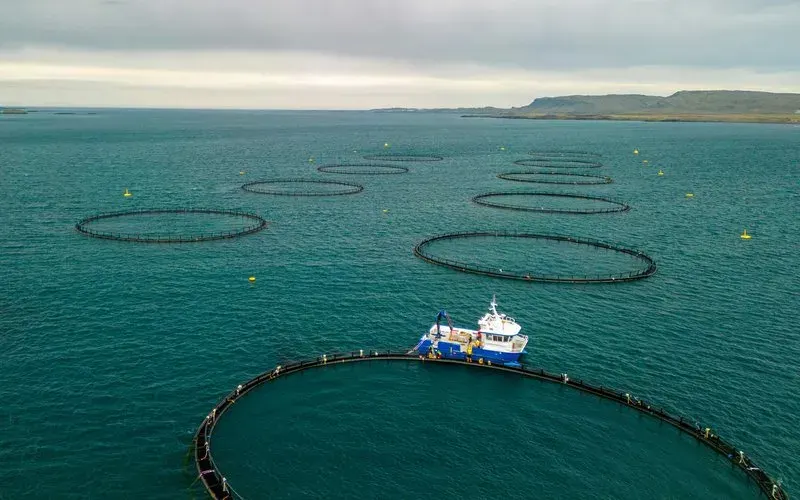
A European Commission study completed in June 2026 estimates that feed demand for ten key farmed species in the EU grew from under 900,000 tonnes in 2013 to almost 1.1 million tonnes in 2023, while identifying plant ingredients, cost, regulation and supply-chain exposure as central challenges for the sector's future.
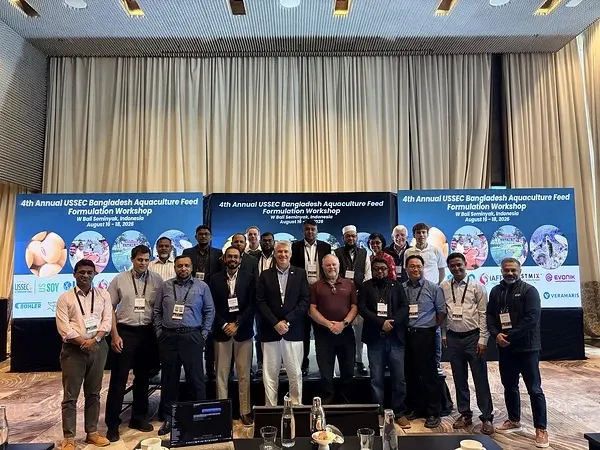
The U.S. Soybean Export Council convened two aquaculture feed formulation workshops in Bali in August 2026, bringing together commercial formulators and nutritionists from Bangladesh and eight Southeast Asian markets to build practical feed design skills around reliable ingredients including U.S. soy.
A report by the UK-based Changing Markets Foundation, prepared with researchers from the University of British Columbia, warns that up to 46% of the world's wild fish catch could be redirected to aquaculture feed by 2040 if farming of predatory species such as salmon and shrimp continues to expand. The findings were released in Rome ahead of a meeting of the FAO Committee on Fisheries. The FAO has pushed back on some of the study's framing, clarifying its actual 2030 growth targets and questioning whether marine ingredient volumes would necessarily rise.
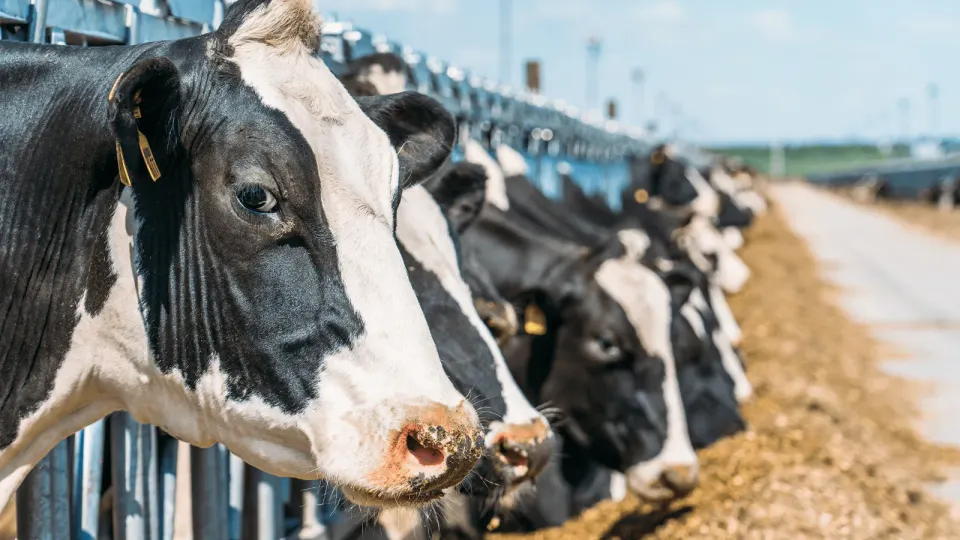
IFF has introduced Omni-Bos™ PHY, a phytase enzyme developed specifically for dairy cattle, with initial commercial launches planned across the Middle East, Africa and Asia-Pacific. The product is designed to remain active in the abomasum and targets the longstanding limitation of conventional phytases in ruminant nutrition.
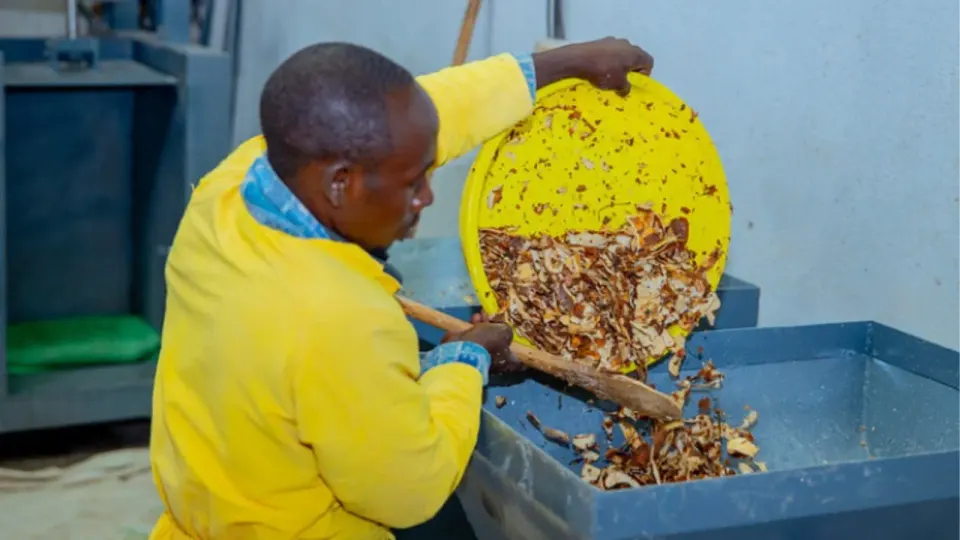
Rwanda-based Kabizu Business Group, with technical support from IITA Rwanda's RUNRES project, has developed a facility to process cassava peels into High-Quality Cassava Peels (HQCP), a locally produced animal feed ingredient aimed at reducing agricultural waste and the cost of conventional feed inputs.
India's 2026 southwest monsoon has fallen roughly 15% below normal, reducing kharif maize sowings by around 2.2% and raising domestic supply concerns. Meanwhile, Ukrainian and EU corn prices have eased, keeping global feed grain markets broadly soft despite the weather-driven uncertainty in South Asia.
Animal nutrition and feed additives company Adisseo has named Li Bo as its new chairman and chief executive officer, succeeding Dr. Hao Zhigang. Li was elected to the board chairmanship on 11 September 2026 and will assume the CEO role on 1 November 2026, bringing experience from the energy and chemicals sectors to lead the company's methionine, specialties, and vitamin businesses.
A new Portuguese initiative, the Food4Thought project, is working with secondary-school and university students to counter misinformation about farmed fish and insects as food sources, using a three-stage educational approach backed by scientific evidence.
The U.S. Grains & BioProducts Council has released an evidence-based factsheet asserting that U.S. corn delivers higher yields, lower greenhouse gas emissions, faster processing times, and better feed conversion rates than corn from other major producing countries, with estimated financial benefits for wet millers and broiler producers.
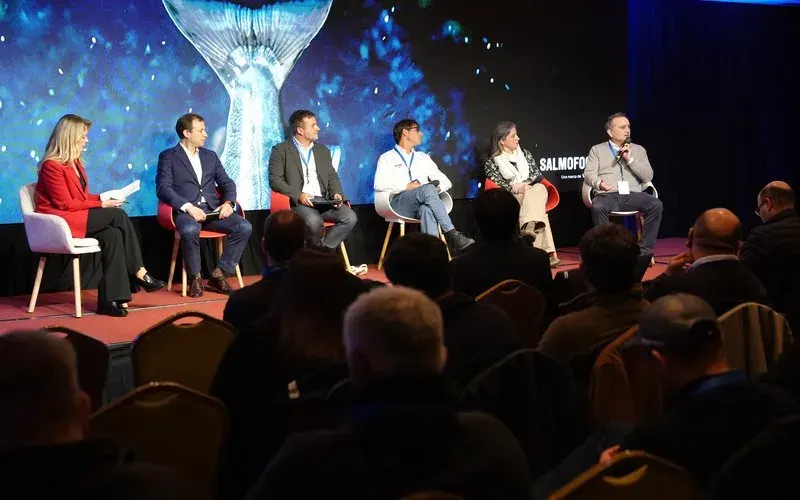
Chile's coho salmon sector is on course for a historic production record of 328,000–349,000 tonnes in 2026, driven by larger cage systems, heavier smolts and a near-doubling of active farming sites since 2010, according to data presented at the Pacific Silver 2026 forum in Puerto Varas.
Grain and animal feed trader Cefetra has opened a new purpose-built bulk storage and handling facility at Berth 43, Port of Tilbury, representing a £21 million infrastructure investment. The 14,000 square metre site can store up to 65,000 tonnes of imported animal feed products, including soyabean meal, and is designed for direct vessel discharge operations.
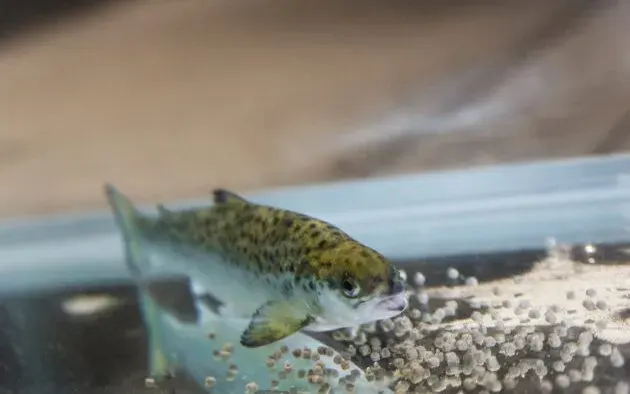
A study by Nofima, NMBU and Mowi Genetics finds that selectively breeding Atlantic salmon for lower body fat could significantly improve feed efficiency, with calculations suggesting potential annual savings of around USD 121 million for the Norwegian salmon industry.