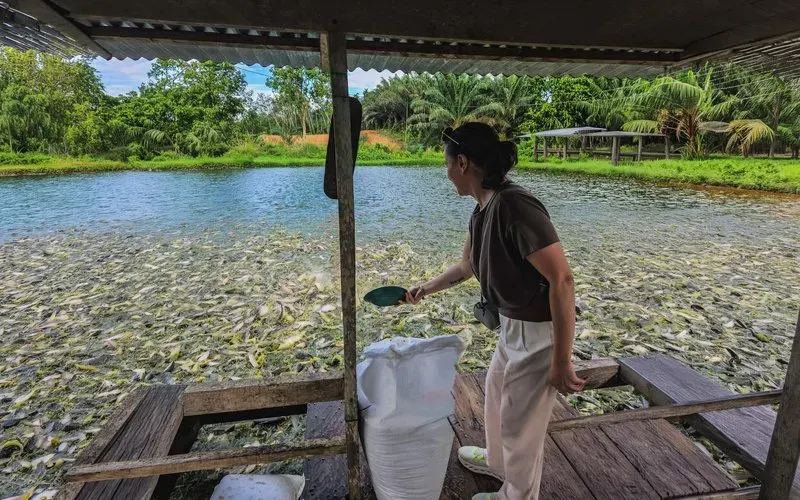
The Philippines is exploring a more diversified aquafeed ingredient base as El Niño, global supply disruptions, and import dependence increase pressure on conventional feed sources, according to Ateneo de Manila University associate professor Janice A. Ragaza.
The U.S. International Development Finance Corporation has approved a US$500 million counter-guarantee facility for the IFC's Global Trade Finance Program, which could support up to US$20 billion in U.S. exports to emerging markets and ease African banks' ability to finance purchases of U.S. agricultural commodities, including grains, soybeans and animal feed.
A European Commission study completed in June 2026 estimates that feed demand for ten key farmed species in the EU grew from under 900,000 tonnes in 2013 to almost 1.1 million tonnes in 2023, while identifying plant ingredients, cost, regulation and supply-chain exposure as central challenges for the sector's future.
A report by the UK-based Changing Markets Foundation, prepared with researchers from the University of British Columbia, warns that up to 46% of the world's wild fish catch could be redirected to aquaculture feed by 2040 if farming of predatory species such as salmon and shrimp continues to expand. The findings were released in Rome ahead of a meeting of the FAO Committee on Fisheries. The FAO has pushed back on some of the study's framing, clarifying its actual 2030 growth targets and questioning whether marine ingredient volumes would necessarily rise.
An unprecedented drought in Austria has sharply reduced 2026 autumn crop yields, with potatoes down 50–70%, soybeans more than 50%, and grain maize nearly 30% versus the five-year average. The shortfalls are tightening feed ingredient and raw material availability for domestic processors and neighbouring EU markets, pushing up procurement costs for livestock producers and feed formulators.
German feed rye EXW prices have firmed modestly in northern regions, while Ukrainian rye offered FOB Odesa has ticked up slightly, as ample EU grain supply and persistent Black Sea risk premia shape a cautious but balanced rye market heading into late September 2026.
The Rural Mainstreet Index fell to 44.7 in September 2026, slipping back below the growth-neutral threshold of 50.0 for the fourth time in six months, as rising fertiliser and fuel costs outweighed optimism from higher grain prices, according to Creighton University's monthly survey of rural bank CEOs.
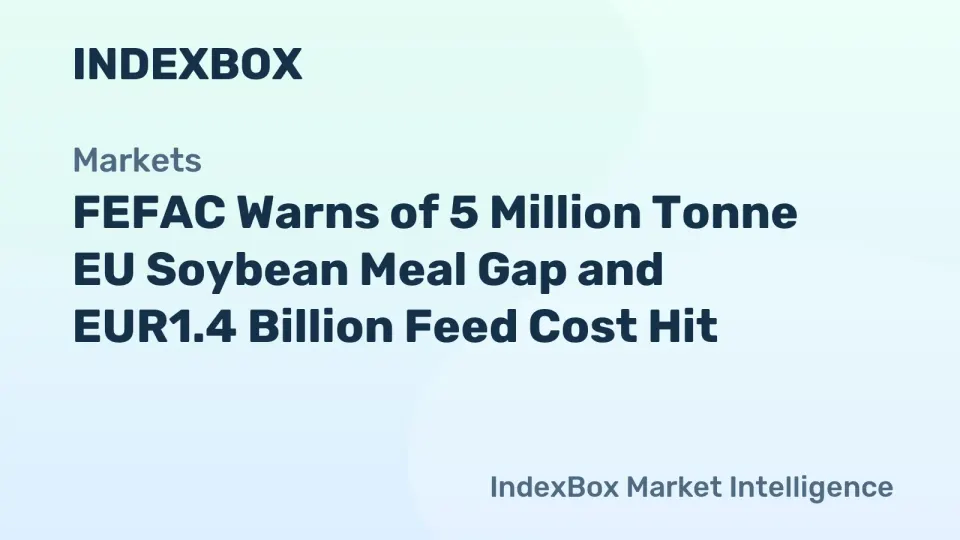
The European Feed Manufacturers Federation (FEFAC) has projected a soybean meal supply gap of at least 5 million tonnes in the EU for the 2026-27 marketing year, driven by drought, Black Sea trade disruptions, and sourcing constraints tied to the EU Deforestation Regulation. The federation estimates the combined cost impact on the EU feed and livestock sector could reach approximately EUR 1.4 billion and has called on EU institutions to act urgently to protect feed security.