FEFAC Warns of 5 Million Tonne EU Soybean Meal Shortfall and EUR 1.4 Billion Feed Cost Impact
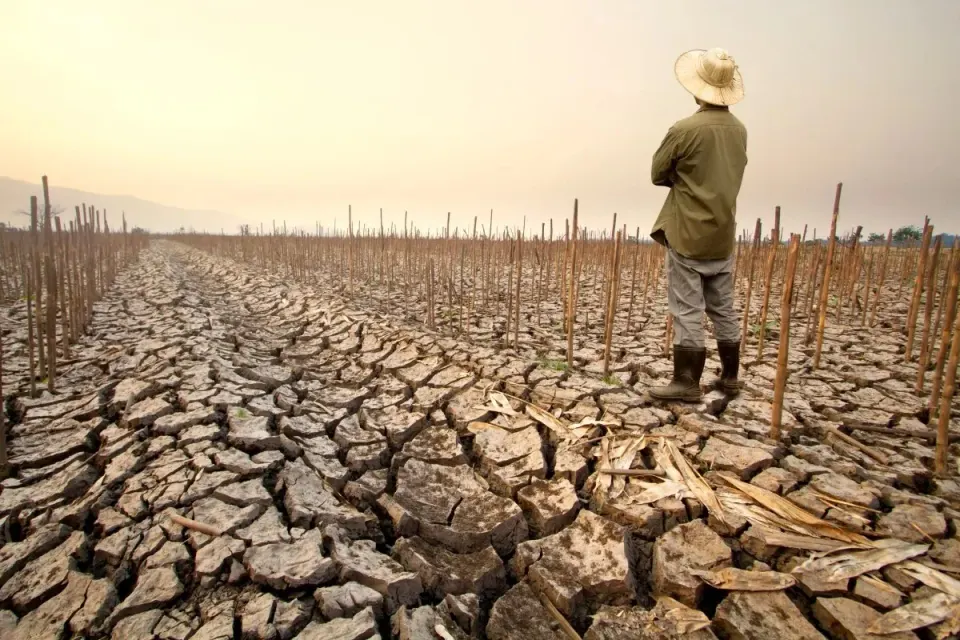
The European Feed Manufacturers Federation (FEFAC) has projected a soybean meal supply gap of at least 5 million tonnes in the EU for the 2026-27 marketing year, driven by drought, Black Sea trade disruptions, and sourcing constraints tied to the EU Deforestation Regulation. The federation estimates the combined cost impact on the EU feed and livestock sector could reach approximately EUR 1.4 billion and has called on EU institutions to act urgently to protect feed security.

The European Feed Manufacturers Federation (FEFAC) has warned of a potential soybean meal supply shortfall of at least 5 million tonnes in the European Union for the 2026-27 marketing year, representing roughly one fifth of the bloc's total soybean meal consumption, according to a report dated 16 September 2026.
FEFAC issued the assessment in what it described as its fourth update covering feed supply chain disruption risk and the economic impact of the EU Regulation on Deforestation-free products (EUDR). The federation attributed the tightening supply environment to the simultaneous effects of a prolonged drought, disruptions to Black Sea trade routes, and sourcing constraints linked to EUDR compliance.
Cost Impact Estimated at EUR 1.4 Billion
FEFAC calculated that the direct additional cost of sourcing EUDR-compliant soy for feed could reach as much as EUR 1.05 billion, based on assumed total usage of approximately 35 million tonnes. Because rapeseed and sunflower meal prices closely track soybean meal prices, FEFAC estimated a further EUR 449 million in additional costs for those alternative high-protein meals, bringing the total estimated impact to approximately EUR 1.4 billion across soybean, rapeseed, and sunflower meal supplies to the EU feed and livestock sector.
FEFAC said market information indicated the cost effect could translate to an additional EUR 40 per tonne of pig meat and an additional EUR 15 per tonne of poultry meat, which it said would further erode the EU livestock sector's competitiveness.
Origin Risk Ratings Revised
The federation revised its risk assessment classifications by origin. North America, Argentina, and Paraguay were assigned a low-risk rating, with 90% to 100% expected soybean meal availability. EU origins, Ukraine, and Serbia were rated low-to-medium risk, primarily on logistics grounds. Brazil was upgraded to medium risk, though FEFAC noted that regional differences between Southern Brazil and the Cerrado and Northern export corridor persist. West Africa, India, and China were rated high risk, particularly for non-GM and organic soy niche markets.
FEFAC noted that a key open question is whether Brazil can redirect part of its EU-bound soybean meal supply from the northern to the southern corridor to help close the gap, but said ongoing storage capacity bottlenecks may limit that flexibility.
Federation Calls for Urgent EU Action
Nicolas Coudry-Mesny, FEFAC president, said the federation already has deep concern about the EU's ability to source feed materials given the combined impact of prolonged drought and the shutdown of key maritime routes such as the Black Sea. He said the approaching application of the deforestation regulation, effective after 30 December 2026, intensifies the strain and may cause significant disruption to vital feed supply chains.
FEFAC called on EU institutions to act to safeguard feed security and avert what it described as an economically unviable situation for the EU livestock sector in early 2027. Specific requests included immediate simplified implementation of the EUDR for in-scope soy products and suspension of the regulation's application to palm kernel expeller.
The federation also urged EU institutions and national authorities to use existing and future trade agreements — including MERCOSUR, CETA, the DCFTA with Ukraine, and the EU-US agreement — to reaffirm zero-tariff schedules for soybean meal imports and to support bilateral recognition of EUDR legality certification programmes.
Prepared with AI assistance and reviewed by the editorial team.