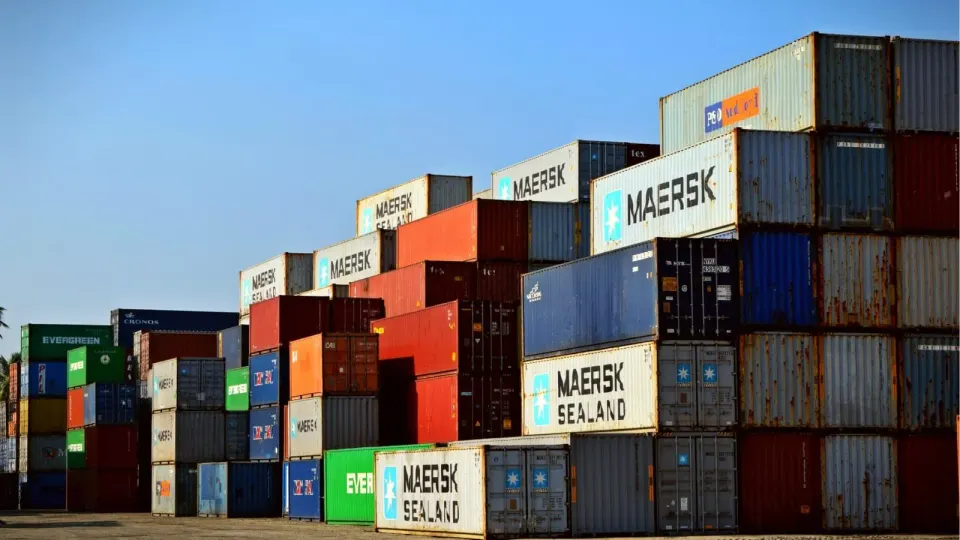
The U.S. International Development Finance Corporation has approved a US$500 million counter-guarantee facility for the IFC's Global Trade Finance Program, which could support up to US$20 billion in U.S. exports to emerging markets and ease African banks' ability to finance purchases of U.S. agricultural commodities, including grains, soybeans and animal feed.
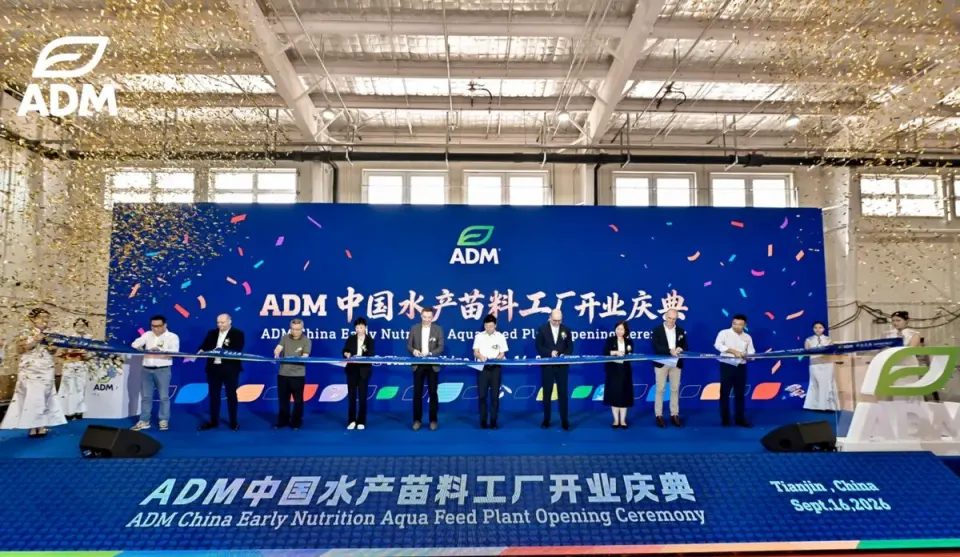
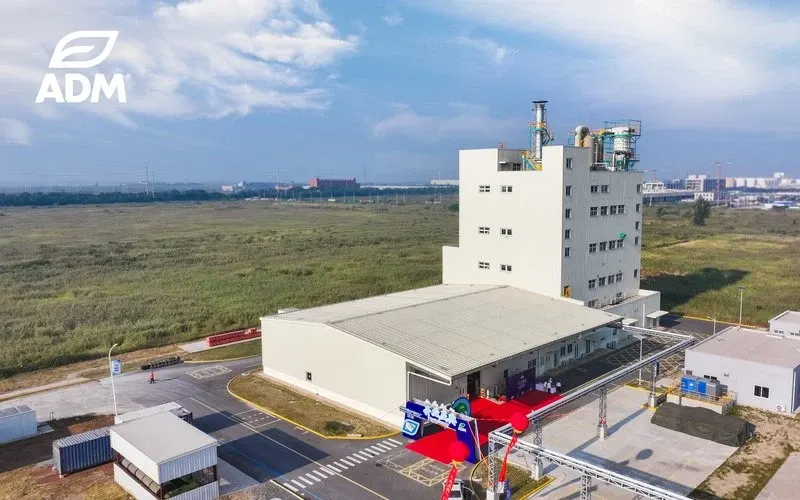
ADM has inaugurated a new early-nutrition aquafeed facility in Tianjin, China — its second globally dedicated to hatchery and nursery feeds after its long-established Belgium plant. With an annual design capacity of approximately 5,000 tons, the site will serve customers in China and across the Asia-Pacific region, targeting fish and shrimp during early growth stages.
Grain futures rose overnight on 21 September 2026 as China's state-owned firms purchased at least 260,000 tonnes of U.S. soybeans days before a presidential summit in Washington, while U.S. and Chinese officials began preparatory trade talks in New York. Soybean meal, corn and wheat futures all gained, though progress on China's broader $17 billion annual farm-goods commitment remains limited.
Indonesian agri-food group PT JAPFA has held exploratory talks with Cambodia's Ministry of Agriculture over potential investments in aquaculture, animal feed production, and related value-chain activities, reflecting a broader push to deepen ASEAN economic ties and regional food security.
An unprecedented drought in Austria has sharply reduced 2026 autumn crop yields, with potatoes down 50–70%, soybeans more than 50%, and grain maize nearly 30% versus the five-year average. The shortfalls are tightening feed ingredient and raw material availability for domestic processors and neighbouring EU markets, pushing up procurement costs for livestock producers and feed formulators.
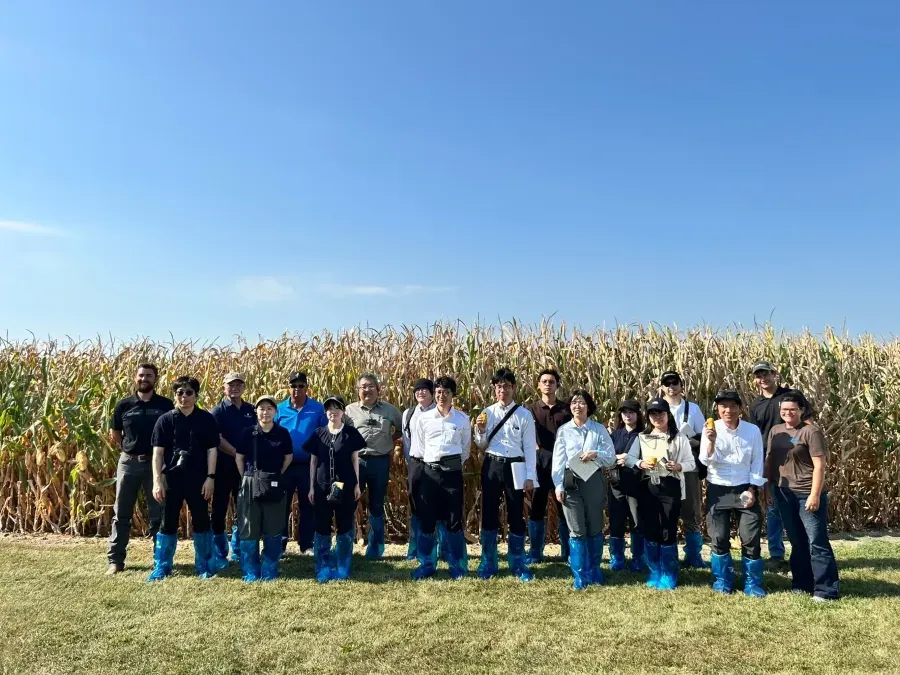
The U.S. Grains & BioProducts Council recently guided a delegation of Japanese corn food and feed end-users through sites in Iowa and Washington, exposing newer buyers to U.S. corn production, quality standards, and export logistics in a bid to strengthen long-term trade ties with Japan.
The Rural Mainstreet Index fell to 44.7 in September 2026, slipping back below the growth-neutral threshold of 50.0 for the fourth time in six months, as rising fertiliser and fuel costs outweighed optimism from higher grain prices, according to Creighton University's monthly survey of rural bank CEOs.
Ukrainian soybean prices at Odesa are softening modestly as alternative Black Sea export routes inch toward greater capacity, now handling around 40% of normal agricultural volumes, while seasonal harvest pressure adds fresh supply into a still-constrained logistics system.
ADM has inaugurated a new early-nutrition aquafeed production facility in Tianjin, China, targeting hatchery and nursery stages for fish and shrimp. The plant — ADM's second globally dedicated to this segment after its Belgium site — has an annual design capacity of approximately 5,000 metric tons and will serve customers across the Asia-Pacific region.
ADM has inaugurated a new 5,000-metric-ton early nutrition aquafeed facility in Tianjin, China, its second globally dedicated to hatchery and nursery feeds for fish and shrimp. The plant is intended to serve customers in China and across the Asia-Pacific region, connecting ADM's APAC R&D resources with local production.
Grain futures moved higher overnight on September 16, 2026, led by a surging soybean meal market that reached a 2.5-year high. Corn, soybeans, and wheat also posted gains, while market participants awaited the Federal Reserve's anticipated interest rate decision. Ongoing heavy rainfall in the Corn Belt, elevated crude oil prices tied to Middle East supply disruptions, and developing U.S.-China trade talks added further context to commodity market moves.
The USDA's September WASDE trimmed 2026/27 US corn ending stocks and slashed production forecasts, while soybean ending stocks edged lower on stronger export demand. Wheat balances were broadly stable. Meanwhile, Saudi Arabia's shutdown of its East-West pipeline and record-high diesel cracks are adding freight and energy cost pressure that feed manufacturers and ingredient traders will need to monitor closely.