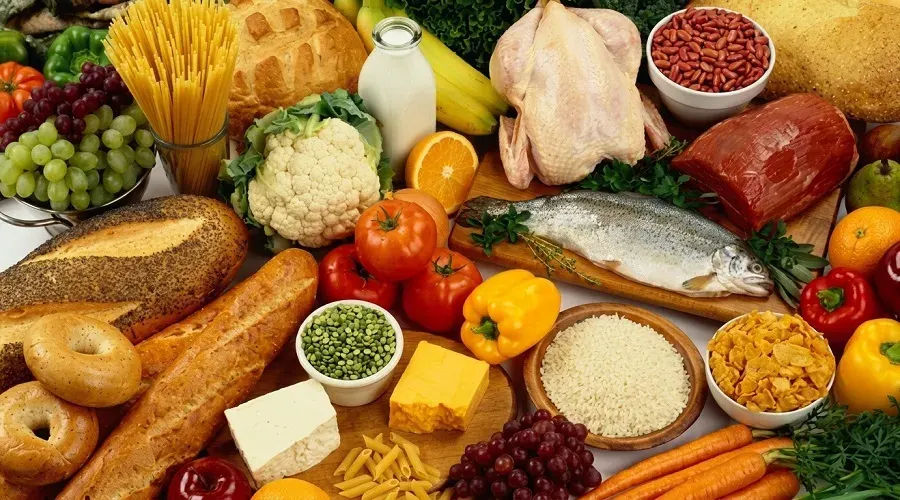
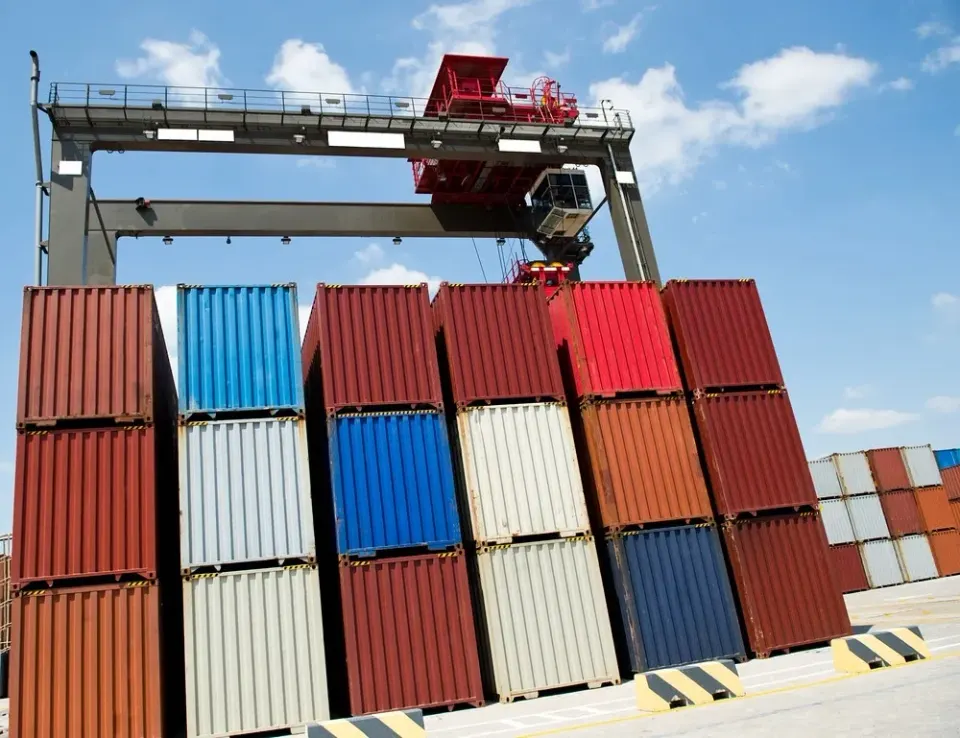
Ukraine's Cabinet of Ministers has approved updated Common Health Entry Document forms for importing live animals, food products, and food and feed of non-animal origin, bringing the country's border control documentation into closer alignment with European Union requirements under Regulation (EU) 2017/625 and the IMSOC framework.
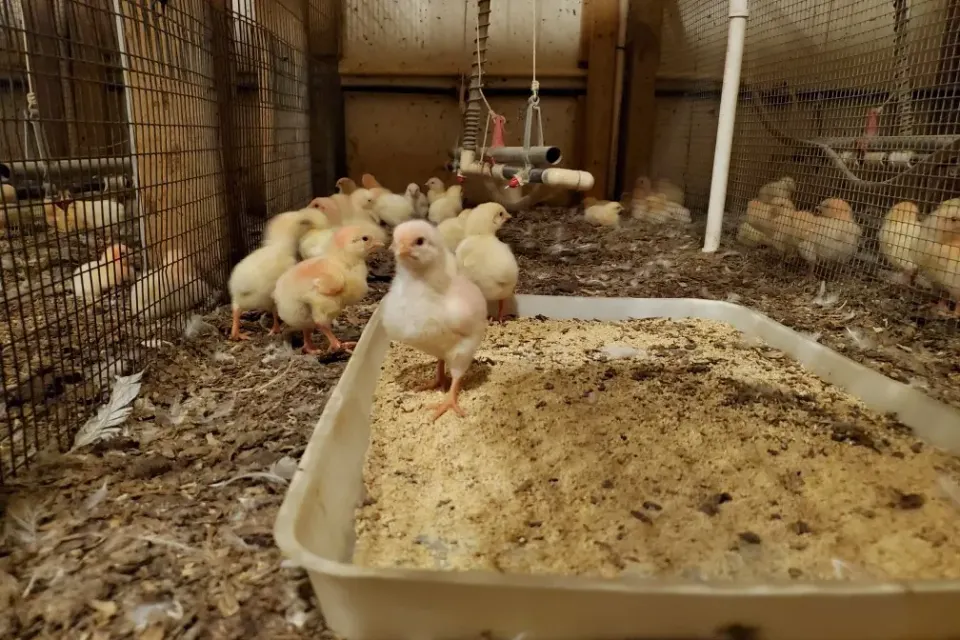
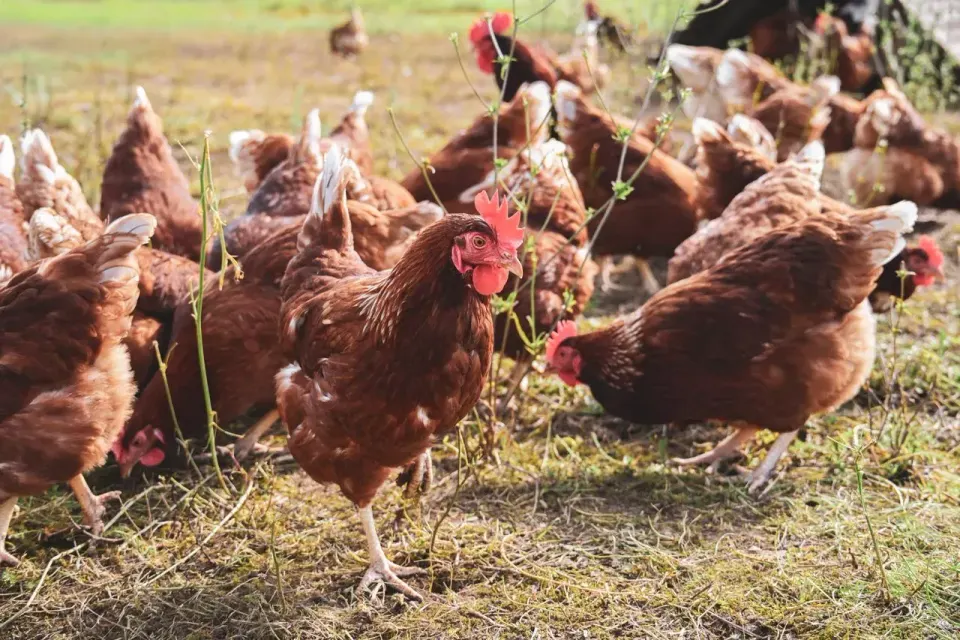
A Penn State University study published in Poultry Science found that a broiler chicken's age has a far stronger influence on its resistome than dietary additives such as antibiotics, probiotics, or essential oils, lending support to further investigation of antibiotic alternatives in poultry production.
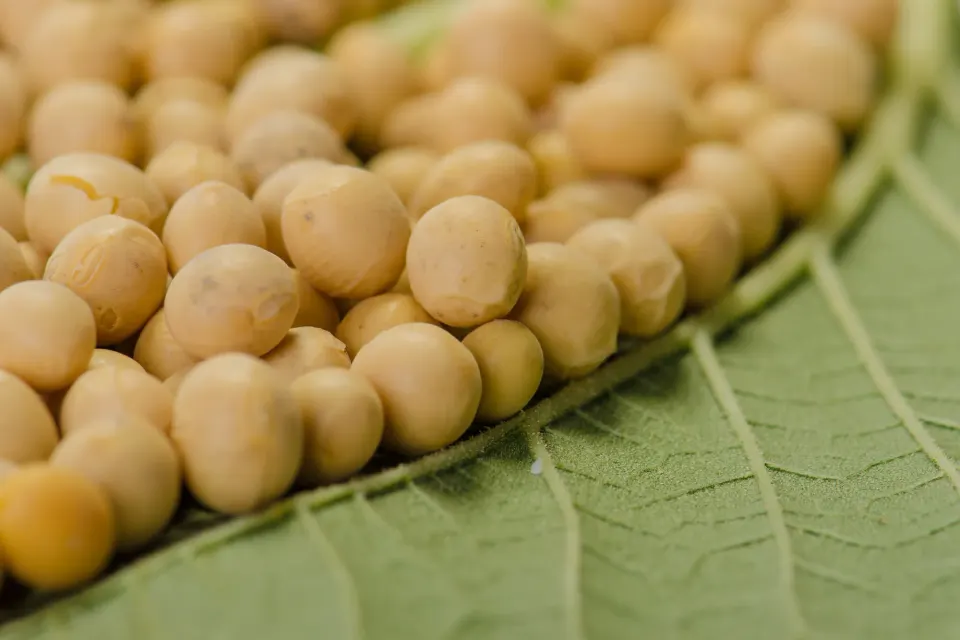
China's soybean import demand is expected to ease in the coming months as private crushers face negative crush margins and weak feed demand linked to shrinking hog herds. Soybeans were excluded from tariff relief announced after the Xi-Trump summit, keeping US cargoes uncompetitive with South American supplies. Domestic inventories at Chinese crushing plants have reached a 15-year high.
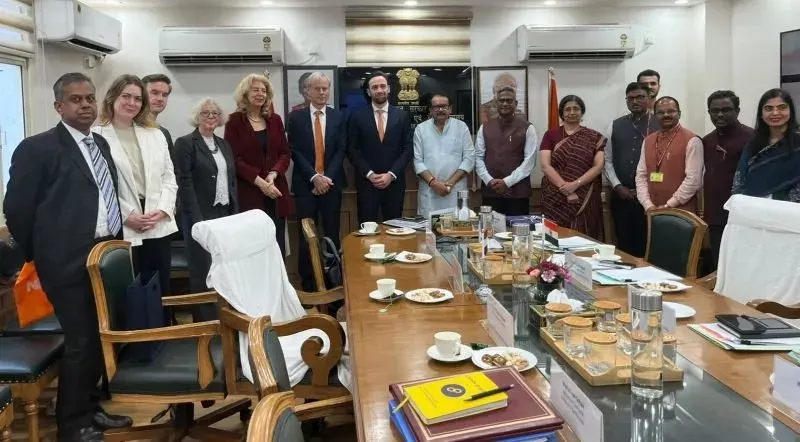
India and the Netherlands have agreed to set up an Indo-Dutch Centre of Excellence on Dairy Training at CEAH, Bengaluru, following a bilateral ministerial meeting that also covered animal nutrition, antimicrobial resistance, vocational training for farmers, and the exchange of a veterinary health certificate for live horse exports.
Cargill is investing more than USD 130 million over two years to expand and modernise poultry processing, feed production, grain storage, and farming infrastructure in Thailand and the Philippines, targeting rising global demand for high-quality protein.
The European Commission has told Ukraine there are no plans to renegotiate its agricultural export quotas, rejecting Kyiv's request for expanded bioethanol access even as Russian strikes continue to damage Ukrainian infrastructure and constrain its exports.
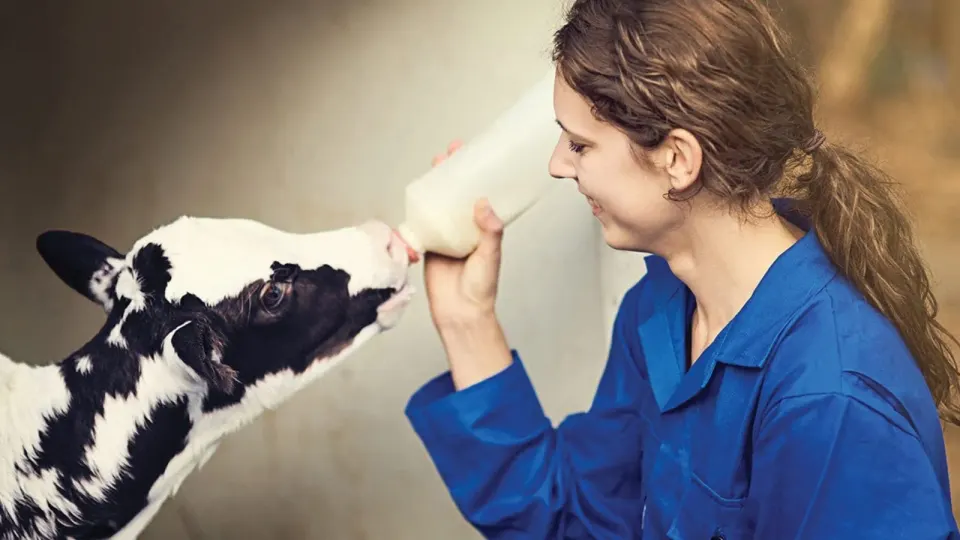
Lallemand Animal Nutrition has launched SMART GROWS, an integrated young-ruminant programme combining milk replacers, nutritional supplements, microbial solutions, bedding and farm-management support to improve calf health and resilience from birth through weaning.
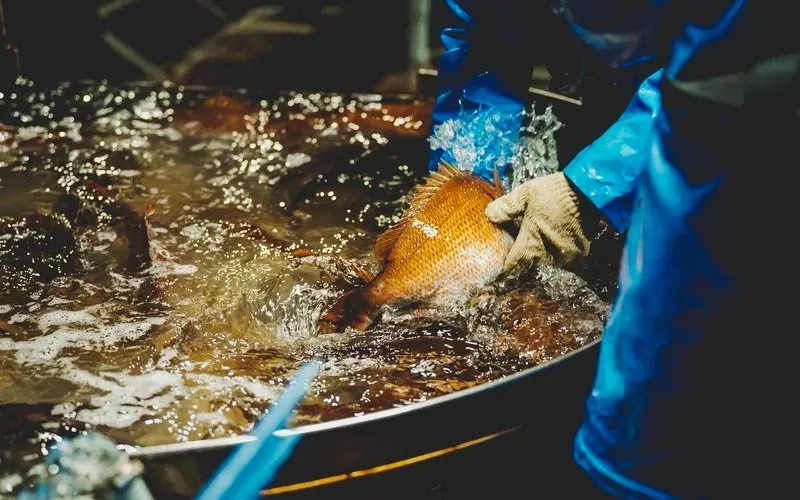
Japan's Dainichi Corporation is competing in the F3 Fish Farm Challenge 2025–2027, raising red seabream from juvenile stage to harvest on a diet free of marine-animal ingredients. The company is using soy protein concentrate and black soldier fly meal as principal alternatives, has invested in ingredient supplier Protenga, and is trialling AI-assisted feeding alongside hand feeding to optimise performance.
Malaysian palm oil futures fell around 2% on 25 September 2026, hitting their lowest levels since early August, as expectations of rising stocks above 3.1 million tonnes and weak Indian import demand weighed on prices. Analysts warn that El Niño-related yield losses could tighten the global balance in 2027, capping longer-term downside.
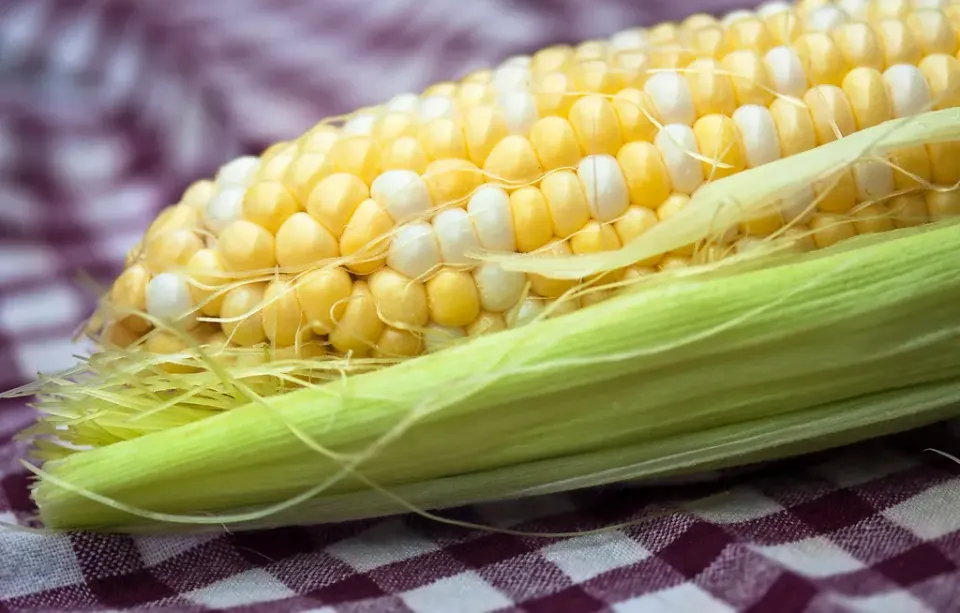
Indian organic starch corn FOB New Delhi has edged up to EUR 1.32/kg as a lagging kharif maize acreage, a weak monsoon backdrop and firm global corn sentiment keep sellers in a strong position. Black Sea and EU supply remain competitive but cannot fully offset the structural risk premium supporting Indian export-grade corn.
China has published a 1,619-tariff-line list of U.S. products eligible for consideration for lower tariffs, covering corn, wheat, cotton, beef, pork, dairy and ethanol, but notably omitting commercial (non-seed) soybeans and distillers dried grains with solubles (DDGS). Actual tariff reductions remain pending domestic legal processes in each country, and the widely cited "30-for-30" figures represent a 2024 trade valuation benchmark rather than a purchasing or savings commitment.
Deoxynivalenol (DON), commonly known as vomitoxin, is emerging as a significant problem in the 2026 corn harvest, prompting grain handlers including Dayton Cargill to test every load. The heat-stable mycotoxin concentrates in distillers dried grains and poses regulatory and financial risks for the animal feed industry.