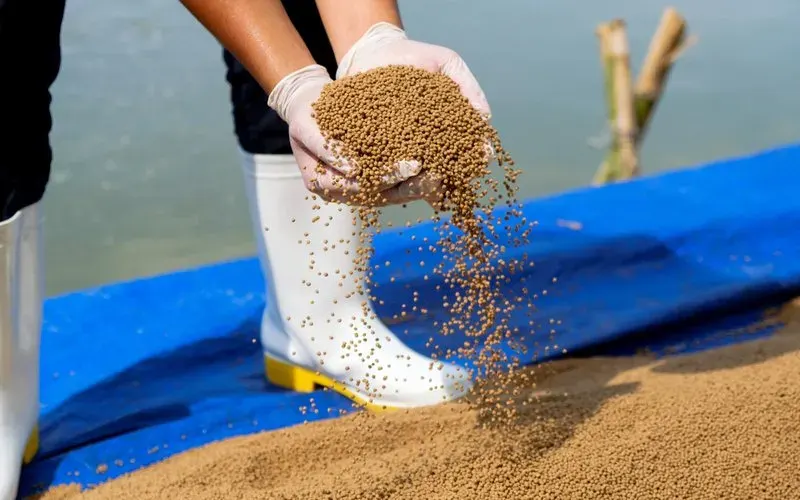
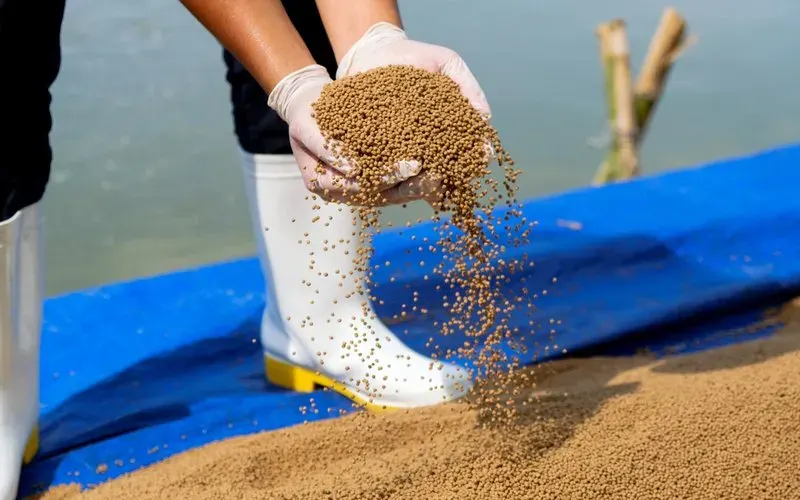
A European Commission study completed in June 2026 estimates that feed demand for ten key farmed species in the EU grew from under 900,000 tonnes in 2013 to almost 1.1 million tonnes in 2023. The report identifies plant ingredients as now comprising the majority of material demand, while highlighting cost, scalability and regulatory hurdles facing alternative proteins and oils.
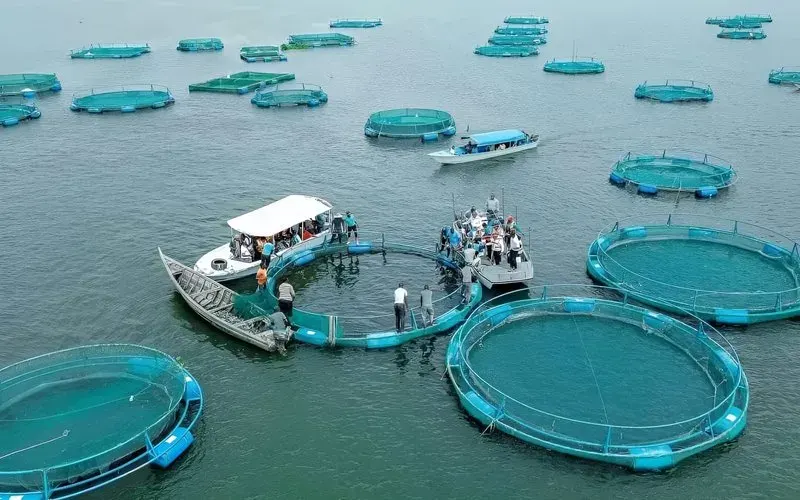
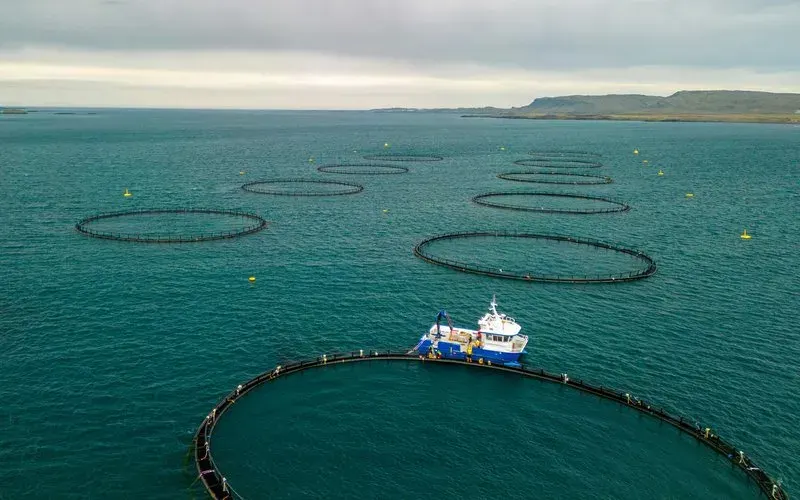
Tanzania's aquaculture output grew from 44,735 tonnes in 2020/21 to 234,525 tonnes in 2025/26, according to Ministry of Livestock and Fisheries data, as cage numbers, hatchery capacity and commercial feed use all expanded sharply. The country's director of aquaculture outlines priorities including feed manufacturing, cold-chain investment and sustainability governance ahead of the World Aquaculture Tanzania 2026 conference in Dar es Salaam.
A European Commission study completed in June 2026 estimates that feed demand for ten key farmed species in the EU grew from under 900,000 tonnes in 2013 to almost 1.1 million tonnes in 2023, while identifying plant ingredients, cost, regulation and supply-chain exposure as central challenges for the sector's future.
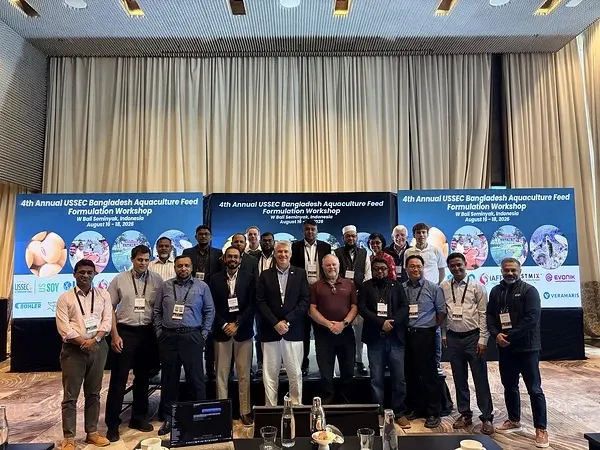
The U.S. Soybean Export Council convened two aquaculture feed formulation workshops in Bali in August 2026, bringing together commercial formulators and nutritionists from Bangladesh and eight Southeast Asian markets to build practical feed design skills around reliable ingredients including U.S. soy.
A report by the UK-based Changing Markets Foundation, prepared with researchers from the University of British Columbia, warns that up to 46% of the world's wild fish catch could be redirected to aquaculture feed by 2040 if farming of predatory species such as salmon and shrimp continues to expand. The findings were released in Rome ahead of a meeting of the FAO Committee on Fisheries. The FAO has pushed back on some of the study's framing, clarifying its actual 2030 growth targets and questioning whether marine ingredient volumes would necessarily rise.
A new Portuguese initiative, the Food4Thought project, is working with secondary-school and university students to counter misinformation about farmed fish and insects as food sources, using a three-stage educational approach backed by scientific evidence.
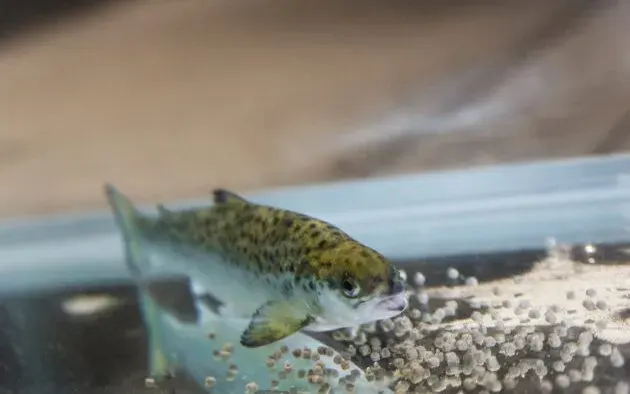
A study by Nofima, NMBU and Mowi Genetics finds that selectively breeding Atlantic salmon for lower body fat could significantly improve feed efficiency, with calculations suggesting potential annual savings of around USD 121 million for the Norwegian salmon industry.
US poultry by-product meal prices climbed close to all-time highs in early September 2026, rising 18.7% in a month as constrained global fishmeal availability pushed aquafeed formulators toward alternative proteins. Both IFFO and the FAO flagged continued tightness in fishmeal markets, driven by lower fishing quotas in South America and sustained aquaculture demand in China.
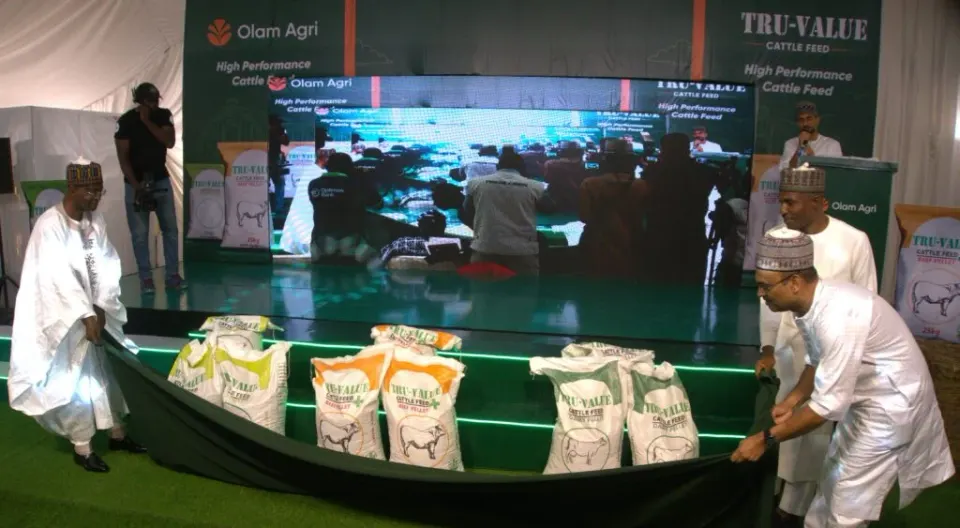
Olam Agri has moved into ruminant nutrition with the launch of its Tru Value cattle feed range in Nigeria, expanding its Integrated Feed & Protein business beyond poultry and aquaculture. The three-product line — covering beef and dairy categories — was unveiled at an event in Kaduna State attended by Nigeria's Minister of Livestock Development and a broad range of industry stakeholders.