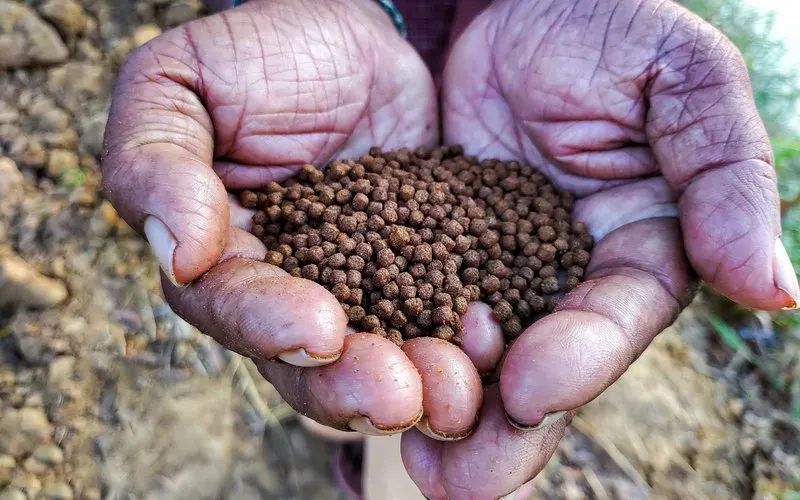
The Philippines is exploring a more diversified aquafeed ingredient base as El Niño, global supply disruptions, and import dependence increase pressure on conventional feed sources, according to Ateneo de Manila University associate professor Janice A. Ragaza.
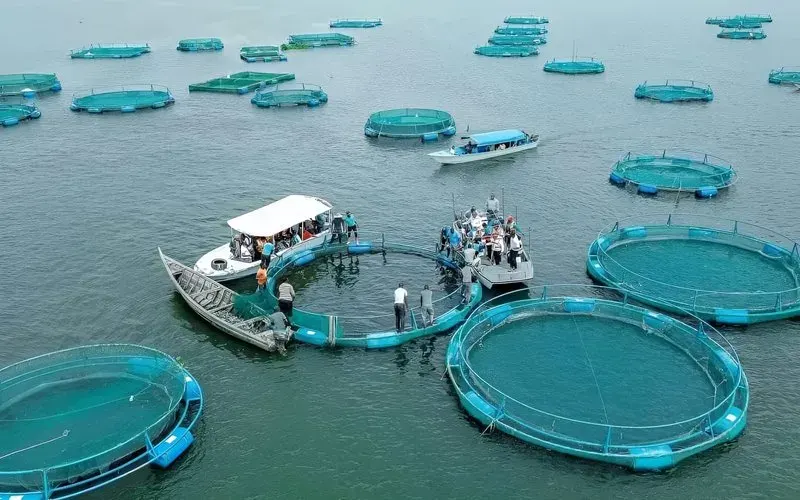
Tanzania's aquaculture output grew from 44,735 tonnes in 2020/21 to 234,525 tonnes in 2025/26, according to Ministry of Livestock and Fisheries data, as cage numbers, hatchery capacity and commercial feed use all expanded sharply. The country's director of aquaculture outlines priorities including feed manufacturing, cold-chain investment and sustainability governance ahead of the World Aquaculture Tanzania 2026 conference in Dar es Salaam.
A European Commission study completed in June 2026 estimates that feed demand for ten key farmed species in the EU grew from under 900,000 tonnes in 2013 to almost 1.1 million tonnes in 2023, while identifying plant ingredients, cost, regulation and supply-chain exposure as central challenges for the sector's future.
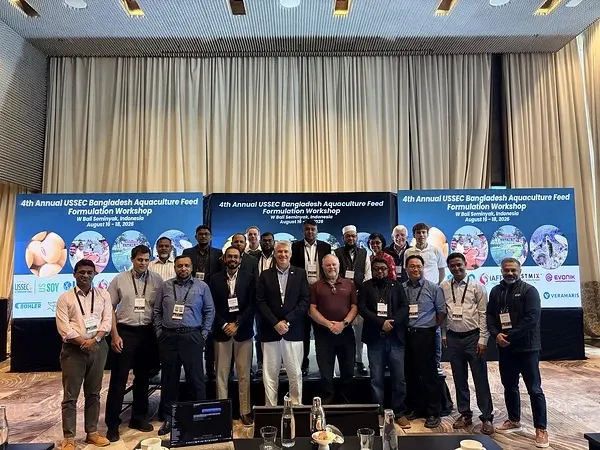
The U.S. Soybean Export Council convened two aquaculture feed formulation workshops in Bali in August 2026, bringing together commercial formulators and nutritionists from Bangladesh and eight Southeast Asian markets to build practical feed design skills around reliable ingredients including U.S. soy.
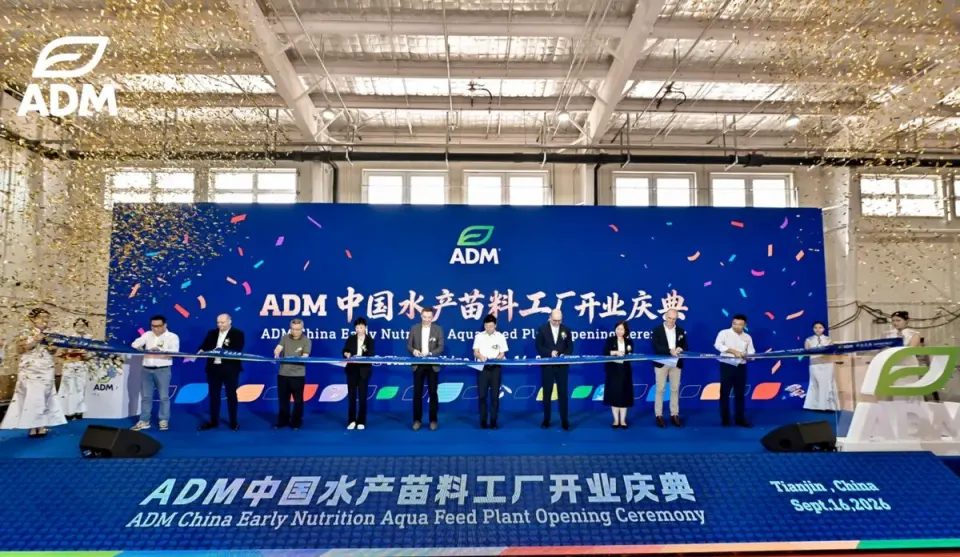
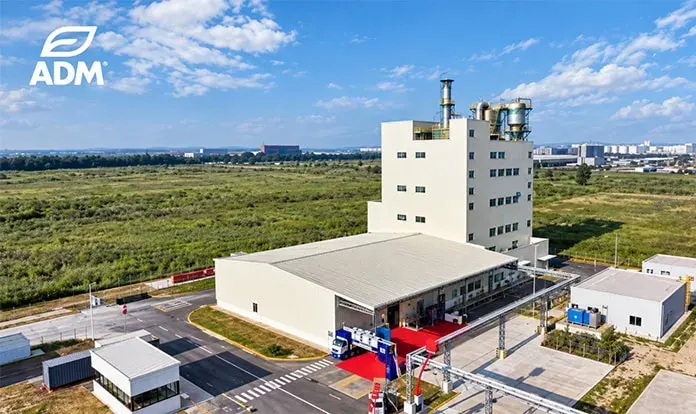
ADM has inaugurated a new early-nutrition aquafeed facility in Tianjin, China — its second globally dedicated to hatchery and nursery feeds after its long-established Belgium plant. With an annual design capacity of approximately 5,000 tons, the site will serve customers in China and across the Asia-Pacific region, targeting fish and shrimp during early growth stages.
Japanese feed manufacturer Chubu Shiryo Co., Ltd. has announced plans to set up a wholly owned subsidiary in Haikou, Hainan, to manufacture and sell compound aquafeeds for the Chinese market. The new entity, Chubu Shiryo (Hainan) Co., Ltd., is expected to be established in October 2026 with registered capital of CNY 60 million.
Cumulative global fishmeal production fell 49% year-on-year in the first seven months of 2026, with fish oil output down 30%, driven by shortfalls in South America and weaker catches in Africa and Northern Europe. IFFO says Asian producers may partially offset the decline in Q4, but demand headwinds in China's aquaculture and pig sectors are weighing on recovery prospects.
ADM has inaugurated a new early nutrition aqua feed facility in Tianjin, China, marking the company's second hatchery feed plant globally. The plant carries an annual design capacity of approximately 5,000 tonnes and produces particle sizes ranging from 50 microns to 3 mm, targeting fish and shrimp at early life stages.
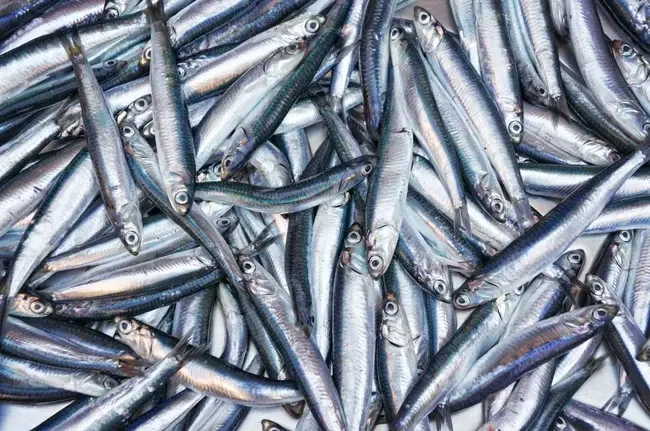
Global fishmeal production dropped 49% year on year in the first seven months of 2026 as El Niño-linked warm waters and juvenile fish disrupted Peru's anchoveta season, with fish oil output also falling 30%. IFFO says Asian fishing activity in Q4 may partially offset the South American shortfall.
ADM has inaugurated a new early-nutrition aquafeed production facility in Tianjin, China, targeting hatchery and nursery stages for fish and shrimp. The plant — ADM's second globally dedicated to this segment after its Belgium site — has an annual design capacity of approximately 5,000 metric tons and will serve customers across the Asia-Pacific region.
IFFO – The Marine Ingredients Organization reports that fishmeal production in the first seven months of 2026 is down 49 percent year-on-year, while fish oil output has fallen 30 percent, with declines driven primarily by Peru and Chile and compounded by softer catches in Africa and Northern Europe.
ADM has inaugurated a new early nutrition aquafeed production facility in Tianjin, China, its second site globally dedicated to hatchery and nursery feeds after its Belgium plant. With an annual design capacity of approximately 5,000 metric tons, the facility aims to serve fish and shrimp producers in China and across the Asia Pacific region.